Understanding the Importance of Midterm Elections
Midterm elections in the United States play a crucial role in shaping the political landscape. These elections occur every four years, midway through a president’s term, and they determine the composition of Congress, which directly influences legislation and policy. The significance of midterms extends beyond American borders, as the outcomes can affect global politics, trade relationships, and international agreements.
Key Dates and Deadlines
To participate effectively in midterm elections, it is essential to be aware of key dates and deadlines. Each state has its own regulations, so it’s important to check local requirements. Generally, the following timeline applies:
- Voter Registration: Most states require voters to register weeks before election day. Deadlines can range from 15 to 30 days prior.
- Absentee Ballot Requests: If voting by mail, request your absentee ballot early. Deadlines vary, but aim to do this at least a month in advance.
- Election Day: Typically held on the first Tuesday after the first Monday in November.
How to Register to Vote
Registering to vote is a straightforward process, yet it varies by state. Here are the general steps you should follow:
- Check Your Eligibility: You must be a U.S. citizen, at least 18 years old by election day, and meet your state’s residency requirements.
- Visit the Official Website: Go to your state’s election office website. This is where you can find specific registration requirements and procedures.
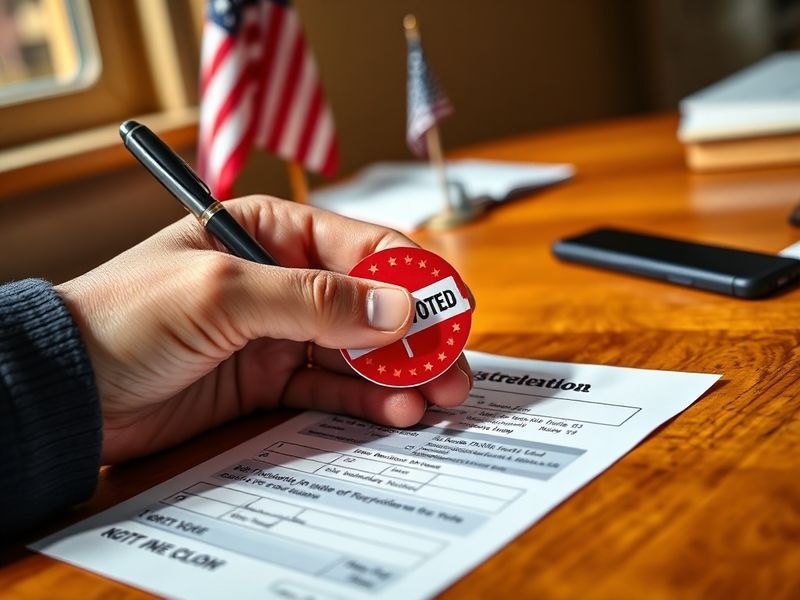
- Complete the Registration Form: Fill out the form online or print it out to send by mail. Ensure all information is accurate to avoid issues.
- Submit Your Registration: Make sure to submit your registration before the deadline. Some states allow same-day registration, but this varies.
Voting Methods
Once registered, voters have several options for casting their ballots. Understanding these methods can enhance participation and ensure that every voice is heard:
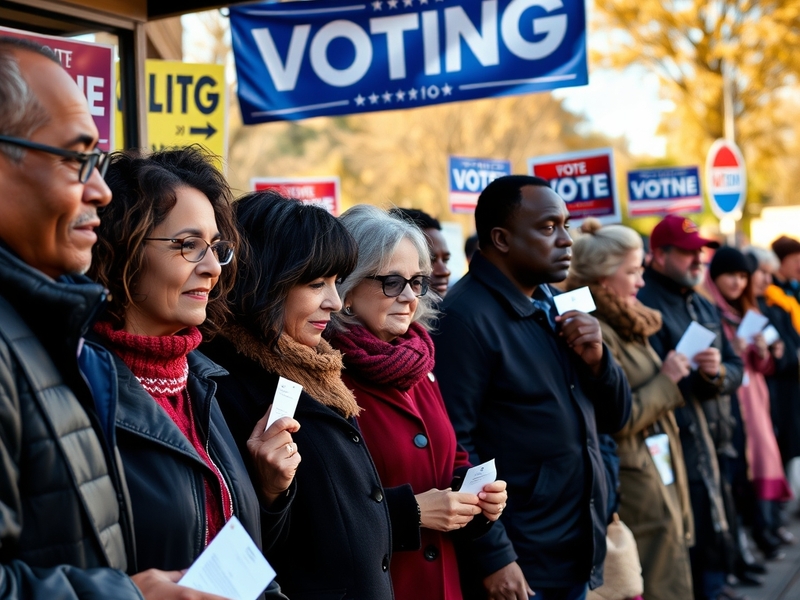
- In-Person Voting: This is the traditional method of voting. Voters go to their designated polling places on election day. It’s important to check polling hours and locations.
- Early Voting: Many states offer early voting to accommodate those who cannot vote on election day. This period can last from a few days to several weeks.
- Mail-In Voting: Also known as absentee voting, this allows voters to receive and return their ballots by mail. It’s especially beneficial for those who are out of state or prefer voting from home.
Global Perspective on Voting
Voting in the U.S. midterms is not just an isolated event; it reflects broader global trends in democratic participation. Countries around the world observe and sometimes emulate U.S. electoral processes. The importance of voter turnout is a shared concern across democracies.
For instance, many nations have implemented measures to increase voter participation, such as automatic voter registration and extended voting periods. Comparatively, the U.S. often struggles with lower turnout rates, particularly among young voters. This highlights the need for ongoing efforts to engage citizens and educate them about their voting rights and responsibilities.
As we approach the midterms, it is crucial to foster a culture of informed voting. Engaging in discussions about candidates and issues can empower voters to make educated choices. Furthermore, advocating for policies that simplify the voting process can contribute to higher turnout rates, thereby strengthening democracy.
In conclusion, participating in the U.S. midterm elections is a vital civic duty that shapes not only national policies but also global dynamics. By understanding the registration process, voting methods, and the importance of these elections, citizens can actively contribute to the democratic process. Ensuring that every eligible voter is informed and prepared is essential for a robust electoral outcome.