Why Registering to Vote Is More Than Just a Civic Duty
Voting is often described as the cornerstone of democracy, but the act of registering to vote is just as critical. Without registration, participation in elections remains impossible, no matter how engaged a citizen might be. The process links individuals to the political system, ensuring their voices can be counted in decisions that shape policies, leadership, and societal direction.
Yet, registration is more than a bureaucratic step—it’s an act of empowerment. When citizens take the time to register, they affirm their stake in the future. It’s a declaration that their opinions and choices matter, not just on Election Day but in the ongoing conversation about what kind of society they want to live in. Participation through registration also strengthens the legitimacy of elected officials and the policies they enact.
Beyond personal empowerment, widespread voter registration has broader implications. Countries with higher registration rates often see more representative governments, where diverse communities have a say in leadership. This inclusivity can lead to policies that better reflect the needs of all citizens, not just the most vocal or privileged groups.
The Current State of Voter Registration in the U.S.
Despite its importance, voter registration in the United States faces significant challenges. While some states have streamlined the process, others impose barriers that disproportionately affect marginalized communities. According to the U.S. Census Bureau, nearly one-third of eligible voters were not registered in the 2020 election cycle. This gap highlights systemic inefficiencies and, in some cases, deliberate obstacles.
Some states have adopted automatic voter registration, which adds citizens to the rolls when they interact with government agencies like the DMV. Others still rely on outdated systems that require individuals to navigate complex paperwork or deadlines. The disparity in registration methods contributes to uneven participation across the country.
Young adults, low-income individuals, and racial minorities are among the groups most likely to encounter barriers to registration. These communities often face time constraints, lack access to transportation, or struggle with literacy challenges. The result is a registration system that, while designed to be neutral, can inadvertently suppress participation from those who need representation the most.
Key Barriers to Voter Registration
- Complexity of the process: Some states require proof of residency, original documents, or in-person appearances, which can deter eligible voters.
- Deadline restrictions: Registration deadlines vary by state and can close weeks before Election Day, leaving late deciders without a voice.
- Lack of awareness: Many eligible voters, particularly first-timers, are unaware of registration requirements or deadlines.
- Technological gaps: While online registration exists in many states, areas with limited internet access or digital literacy face disadvantages.
- Distrust in the system: Some communities, historically disenfranchised, may avoid registration due to skepticism about the process.
How to Register to Vote: A Step-by-Step Guide
Registering to vote is simpler than many people assume. The process varies by state, but the core steps remain consistent. Below is a general guide to help eligible citizens navigate registration with ease.
Eligibility Requirements
Before beginning the process, confirm that you meet the basic eligibility criteria:
- You must be a U.S. citizen.
- You must be at least 18 years old on or before Election Day.
- You must meet your state’s residency requirements.
- You must not be disenfranchised due to a felony conviction (laws vary by state).
- You must register at least 2-4 weeks before Election Day (deadlines vary).
Registration Methods
Most states offer multiple ways to register. Here’s how to get started:
Online Registration
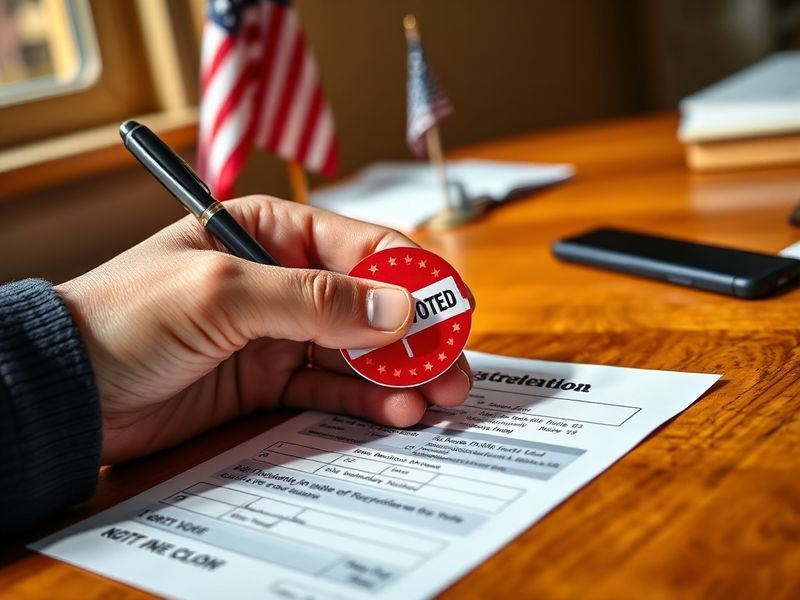
Over 30 states and the District of Columbia allow online voter registration. This method is the fastest and most convenient for those with internet access. Visit your state’s election website or use the Vote.org portal to begin. The process typically takes less than five minutes and requires a valid driver’s license or state ID.
In-Person Registration
Many states permit registration at government offices, including:
- DMV (Department of Motor Vehicles)
- Public libraries
- Post offices
- County election offices
- Voter registration drives (often held at community centers or colleges)
Mail-In Registration
For those who prefer paper forms, the National Mail Voter Registration Form is accepted in every state except North Dakota (which doesn’t require registration). The form is available in multiple languages and can be downloaded from the U.S. Election Assistance Commission. After completing the form, mail it to your local election office.
Same-Day Registration
Some states allow residents to register and vote on the same day, reducing barriers for late or first-time voters. States with this option include California, Colorado, and Michigan. Check your state’s election website to see if same-day registration is available.
The Ripple Effect of Voter Registration
Registering to vote isn’t just about casting a ballot—it’s about shaping the future of your community, state, and country. The decisions made by elected officials impact everything from education funding to healthcare access, environmental policies, and economic opportunities. When more people register, the outcomes of elections become more reflective of the diverse needs and priorities of the population.
Moreover, high registration rates can influence political strategies. Candidates and parties are more likely to address issues that matter to registered voters, knowing that their engagement can sway elections. This dynamic creates a feedback loop: greater registration leads to greater representation, which in turn encourages further participation.
On a broader scale, voter registration is a tool for social change. Historically, movements for civil rights, women’s suffrage, and labor rights have been tied to expanding access to the ballot box. Today, organizations continue to push for reforms like automatic registration, pre-registration for 16- and 17-year-olds, and restoration of voting rights for formerly incarcerated individuals. Each step toward inclusivity strengthens the foundation of democracy.
For those who feel disillusioned by politics, registration is a first step toward reclaiming agency. It’s a way to hold leaders accountable, advocate for change, and ensure that no community is left behind. The act itself carries a message: that participation is not optional, but a responsibility—and a right—to be exercised.
Conclusion: Your Vote Starts with Registration
Registering to vote is the essential first step in participating in the democratic process. It bridges the gap between civic interest and civic action, turning passive concern into active representation. While the process varies by state, the tools and resources available today make it easier than ever to get involved.
For those who haven’t registered, now is the time to take action. Whether through an online form, a community event, or a simple mail-in application, the process is within reach. And for those who have registered but feel disengaged, remember that voting is just the beginning. Staying informed, advocating for policy changes, and encouraging others to participate are all part of a lifelong commitment to democracy.
Democracy doesn’t work without the people. Registration is how we show up—together.
For more insights into civic engagement and political participation, explore our News and Analysis sections. These categories dive deeper into the issues shaping our world and how individuals can make a difference.