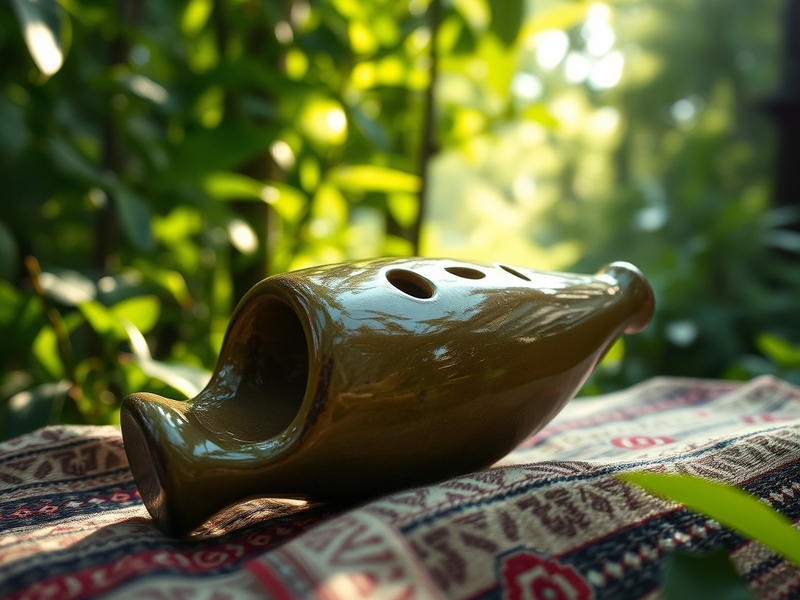
Exploring the Ocarina: A Unique Musical Instrument
The ocarina is a fascinating wind instrument with a rich history that spans thousands of years. Often made from ceramic or plastic, this small, egg-shaped device has captured the interest of musicians and enthusiasts alike. With its distinctive sound and simple design, the ocarina offers both accessibility and depth, allowing players to create beautiful melodies.
History and Origins of the Ocarina
Dating back to ancient civilizations, the ocarina has roots in various cultures around the globe. Archaeological evidence suggests that the instrument was used by the indigenous peoples of Mesoamerica, particularly the Aztecs and Mayans, who crafted ocarinas from clay. These early versions were often decorated with intricate designs and served both musical and ceremonial purposes.
In Europe, the ocarina gained popularity in the 19th century. Italian musician Giuseppe Donati is credited with modernizing the instrument by creating a version with a more refined design and improved sound quality. His innovations led to the ocarina’s widespread use in folk music, and it continues to be a staple in traditional music today.
How to Play the Ocarina: A Beginner’s Guide
Playing the ocarina is relatively straightforward, making it an ideal instrument for beginners. Here are some key points to get started:
- Choose the Right Ocarina: Ocarinas come in various sizes and keys. Beginners may find a 12-hole ocarina in C major to be the most user-friendly.
- Learn Basic Fingerings: Familiarize yourself with the finger placements for different notes. Most ocarinas have a fingering chart available to assist you.
- Practice Breath Control: The ocarina requires a steady airflow to produce sound. Start by practicing long, consistent notes.
- Explore Simple Melodies: Begin with easy songs to build your confidence and improve your technique.
As you progress, you can explore more complex pieces, enhancing your skills and musicality. The ocarina’s versatility allows it to fit into various musical genres, from classical to pop.
The Ocarina in Modern Music and Culture
In recent years, the ocarina has seen a resurgence in popularity, largely influenced by its inclusion in popular video games such as “The Legend of Zelda: Ocarina of Time.” This exposure has introduced a new generation to the instrument, sparking interest in its unique sound and playing style.
Musicians today are experimenting with the ocarina in diverse genres, blending traditional melodies with contemporary music. The instrument’s portability makes it an excellent choice for outdoor performances, community gatherings, and educational settings. Its ability to evoke nostalgia and emotion has made it a favorite among both amateur and professional musicians.
Moreover, the ocarina is often used in therapeutic settings. Music therapy practitioners utilize its soothing sounds to promote relaxation and emotional expression. The instrument’s gentle tones can create a calming atmosphere, making it beneficial for individuals dealing with stress or anxiety.
Conclusion
The ocarina is more than just a musical instrument; it is a bridge between cultures and generations. Its rich history, ease of play, and versatility make it accessible to musicians of all skill levels. As it continues to evolve in modern music and therapy, the ocarina remains a cherished tool for creative expression. Whether you are a seasoned musician or just starting, the ocarina offers a unique opportunity to explore the world of music.