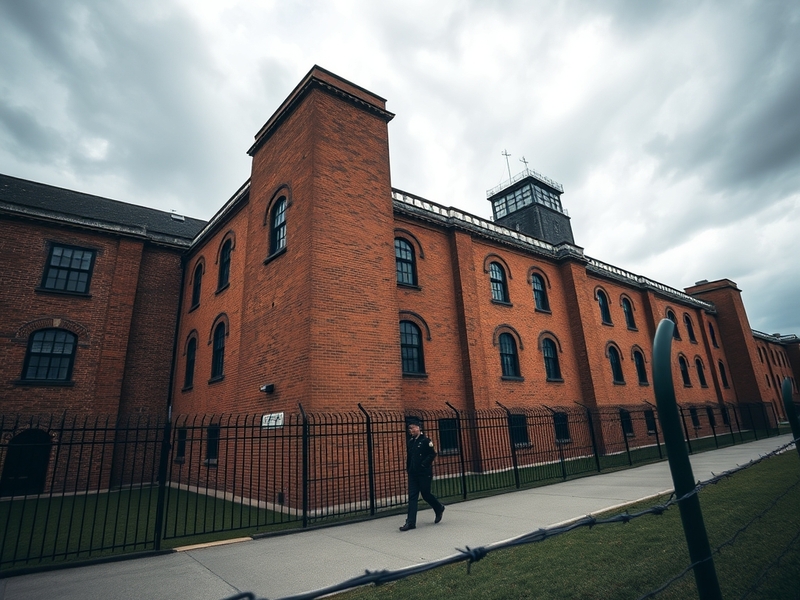
Introduction to HMP Wandsworth
HMP Wandsworth, located in South London, is one of the largest prisons in the United Kingdom. Established in 1851, it serves as a category B men’s prison, housing a diverse population of inmates. With a capacity of over 1,600 prisoners, Wandsworth has been a focal point for discussions around penal reform, rehabilitation, and the challenges of overcrowding in the UK prison system.
Historical Background
The history of HMP Wandsworth reflects broader trends in the criminal justice system. Originally built to accommodate the increasing number of offenders in Victorian England, the prison has undergone numerous changes over the years. Notably, it was designed to replace the overcrowded Newgate Prison. Today, Wandsworth stands as a testament to evolving attitudes towards incarceration and rehabilitation.
Throughout its history, Wandsworth has faced numerous challenges, including:
- Overcrowding: The prison has often operated beyond its intended capacity.
- Staff shortages: Like many institutions, Wandsworth has struggled with recruitment and retention of staff, impacting safety and security.
- Rehabilitation programs: The effectiveness and availability of programs aimed at reducing recidivism have been under continuous scrutiny.
Current Operations and Conditions
Today, HMP Wandsworth continues to operate as a category B prison, which means it houses individuals who are considered a lower risk but still require secure confinement. The prison has implemented various initiatives aimed at improving the living conditions for inmates and enhancing rehabilitation efforts.
Key aspects of current operations at Wandsworth include:
- Education and Training: Inmates have access to various educational programs, including literacy and vocational training, which are crucial for reducing re-offending rates.
- Healthcare Services: Mental health support and general healthcare services are provided, addressing the complex needs of the prison population.
- Recreational Activities: Opportunities for physical exercise and leisure activities help promote well-being among inmates.
Despite these efforts, challenges remain. The high population density often leads to tension among inmates, and the strain on resources can hinder the effectiveness of rehabilitation programs. Furthermore, the impact of staff shortages cannot be overlooked, as they directly affect both inmate safety and the quality of life within the prison.
Broader Implications of HMP Wandsworth’s Operations
The operations and conditions at HMP Wandsworth serve as a microcosm of the challenges facing the UK prison system. Overcrowding and resource limitations are not unique to Wandsworth; they are systemic issues that affect many institutions across the country. The need for reform in the penal system has been highlighted by numerous advocacy groups, emphasizing the importance of rehabilitation over punishment.
Moreover, the implications extend beyond the prison walls. The conditions within Wandsworth influence public perception of the criminal justice system and the broader societal approach to crime and rehabilitation. As the UK grapples with rising crime rates and the complexities of social issues, prisons like Wandsworth become critical points of discussion.
In light of these factors, it is essential to consider:
- The role of community involvement in rehabilitation efforts.
- Innovative approaches to reducing recidivism and supporting reintegration into society.
- The importance of adequate funding for prison services and staff training.
Conclusion
HMP Wandsworth stands as a significant institution within the UK’s penal system, reflecting both the challenges and advancements in the approach to incarceration and rehabilitation. While strides have been made in improving the conditions and services provided to inmates, persistent issues of overcrowding and resource limitations highlight the need for continued reform. As discussions around criminal justice evolve, Wandsworth will undoubtedly remain a focal point, offering insights into the complexities of managing a modern prison system.
For more information on prison reform and related topics, visit our News and Analysis sections.