Understanding the Impact of Grounded Flights Worldwide
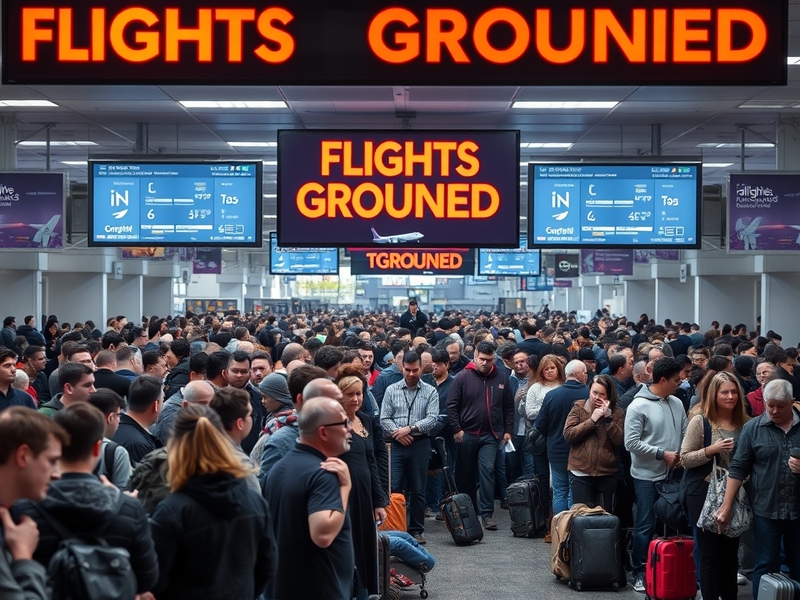
Flights being grounded can have significant repercussions, not just for travelers but for the global economy and cultural exchanges. When airlines cancel or suspend operations, it creates a domino effect that can disrupt plans, impact tourism, and affect cargo transport. This article delves into the reasons behind flight cancellations, their implications, and how various regions respond to such crises.
Reasons Behind Flight Groundings
Flight cancellations can occur for numerous reasons, ranging from technical issues to natural disasters. Some of the most common causes include:
- Weather Conditions: Severe weather such as storms, hurricanes, or heavy snowfall can make flying unsafe.
- Technical Failures: Aircraft may be grounded due to mechanical issues, necessitating repairs before they can take off.
- Labor Strikes: Disputes between airline management and employees can lead to widespread cancellations.
- Global Crises: Events such as pandemics or geopolitical tensions can prompt airlines to suspend flights.
Each of these factors can severely impact not only individual travelers but also entire industries that rely on air travel.
Economic and Cultural Consequences
The grounding of flights often has far-reaching economic implications. The aviation industry is a significant contributor to global GDP, and disruptions can ripple through various sectors such as tourism, hospitality, and trade. For example, during the COVID-19 pandemic, airlines faced unprecedented challenges, leading to billions in losses and job cuts worldwide.
In addition to economic fallout, grounded flights can hinder cultural exchanges. Events such as international sports competitions, music festivals, and academic conferences may be canceled or postponed, limiting opportunities for global collaboration and understanding. Countries that rely heavily on tourism may also find their economies strained.
Regional Responses to Flight Cancellations
Different regions have unique approaches to addressing flight cancellations. Here’s a brief overview:
- North America: Airlines often provide compensation or alternative travel arrangements for affected passengers. Regulatory bodies, like the U.S. Department of Transportation, enforce rules to protect consumer rights.
- Europe: The European Union has stringent regulations mandating compensation for passengers in case of cancellations, which helps to mitigate the impact on travelers.
- Asia: Countries like China have implemented rapid response protocols during crises, including the establishment of temporary travel bans to curb the spread of diseases.
- Australia: The Australian government often steps in during significant disruptions to assist stranded travelers and facilitate repatriation flights.
These regional differences highlight the varied priorities and strategies employed by governments and airlines in handling flight cancellations.
Looking Ahead: The Future of Air Travel
The challenges posed by grounded flights are not likely to disappear. As climate change continues to affect weather patterns, airlines may face more frequent disruptions. Additionally, geopolitical tensions and public health concerns will remain critical factors in air travel. To adapt, the aviation industry is exploring innovative solutions, including sustainable aviation fuels and improved weather forecasting technologies.
In conclusion, while grounded flights can pose significant challenges, they also serve as a reminder of the interconnectedness of our global society. Addressing the causes and consequences of flight cancellations requires cooperation between governments, airlines, and travelers. As we move forward, fostering resilience in the aviation industry will be essential for maintaining the flow of people and goods across borders.