Overview of Dallas Love Field
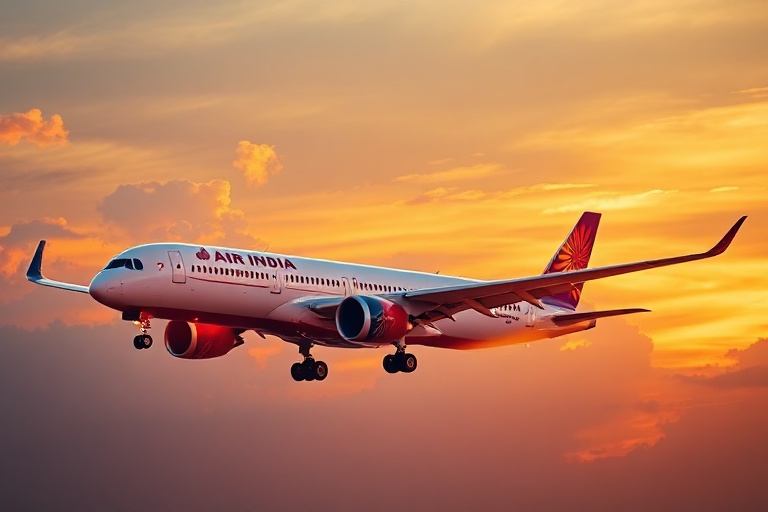
Dallas Love Field Airport (DAL) serves as a major hub for domestic flights in the United States. Located just six miles from downtown Dallas, it is strategically positioned to cater to both business and leisure travelers. With a rich history dating back to its opening in 1917, Love Field has undergone numerous transformations to meet the demands of modern aviation.
History and Development
The airport was originally established as a military base during World War I. Over the decades, it has evolved into a key player in the commercial aviation sector. In 1974, the Wright Amendment restricted flights from Love Field to nearby states, which limited its reach. However, this amendment was repealed in 2014, allowing the airport to expand its service to destinations across the country.
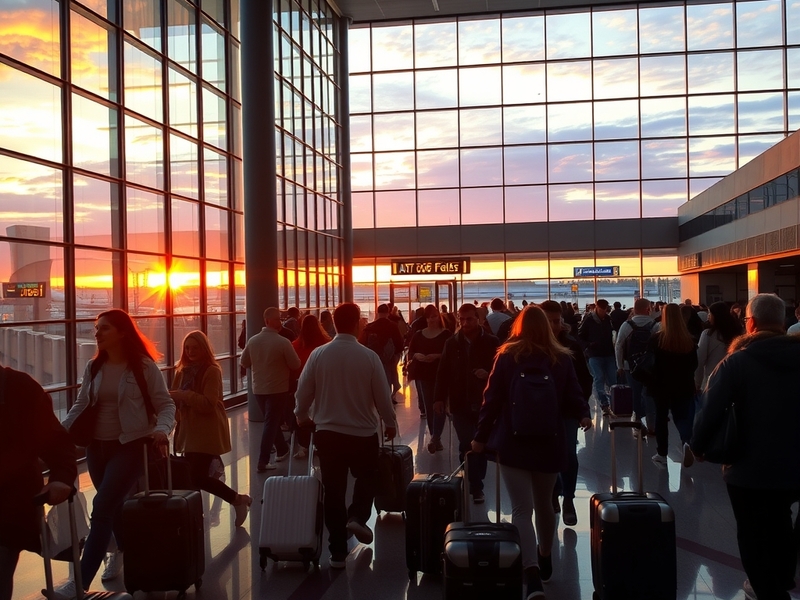
Today, Love Field boasts a single terminal with 20 gates, accommodating airlines such as Southwest Airlines, which has a significant presence there. The terminal is designed for efficiency, making it easy for passengers to navigate through check-in, security, and boarding processes.
Facilities and Amenities
Travelers at Dallas Love Field can enjoy a variety of amenities that enhance their airport experience. The terminal features:
- Dining options ranging from fast food to sit-down restaurants.
- Shopping outlets that include newsstands and specialty stores.
- Free Wi-Fi throughout the terminal.
- Comfortable seating areas for waiting passengers.
In addition to these conveniences, Love Field offers services such as rental car facilities and shuttle services to nearby hotels. The airport’s design prioritizes passenger comfort, with ample charging stations and information kiosks scattered throughout the building.
Transportation Options
Getting to and from Dallas Love Field is straightforward, thanks to various transportation options available. Travelers can choose from:
- Ridesharing Services: Companies like Uber and Lyft operate at the airport, providing convenient door-to-door service.
- Public Transit: The DART light rail system connects Love Field to the broader Dallas area, making it an economical option for travelers.
- Taxis: Traditional taxi services are readily available at designated pick-up areas.
- Rental Cars: Major rental car companies have facilities on-site, allowing for easy access to vehicles.
These options ensure that passengers can easily reach their destinations, whether they are heading to downtown Dallas or beyond.
Future Outlook
Dallas Love Field continues to adapt to the changing landscape of air travel. As the demand for air travel grows, the airport is exploring potential expansions and upgrades to its facilities. Enhancements to security measures and passenger services are also on the horizon, which will likely improve the overall traveler experience.
With its strategic location and commitment to passenger satisfaction, Love Field is poised to remain a vital part of Dallas’s transportation infrastructure. The airport not only serves the immediate area but also plays a significant role in connecting travelers to a broader network of destinations.
In conclusion, Dallas Love Field Airport stands as a testament to the evolution of air travel in the United States. Its rich history, modern facilities, and strategic location make it a preferred choice for many travelers. Whether you’re visiting Dallas for business or pleasure, Love Field offers a convenient and efficient travel experience.