Background on U.S.-Iran Relations
The relationship between the United States and Iran has been fraught with tension and conflict for decades. Following the 1979 Iranian Revolution, diplomatic ties were severed, leading to a series of confrontations that have shaped the geopolitical landscape of the Middle East. The nuclear deal signed in 2015, known as the Joint Comprehensive Plan of Action (JCPOA), aimed to curb Iran’s nuclear ambitions in exchange for sanctions relief. However, the Trump administration’s withdrawal from the agreement in 2018 reignited hostilities.
Trump’s Approach to Iran
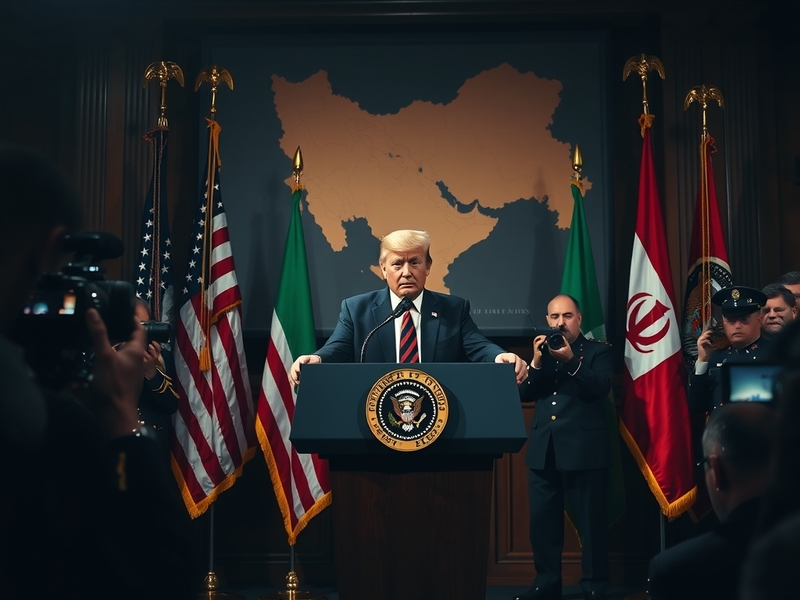
Donald Trump’s presidency marked a significant shift in U.S. foreign policy towards Iran. His administration adopted a strategy of “maximum pressure,” which sought to economically isolate Iran through stringent sanctions. This approach was designed to force Iran to renegotiate the nuclear deal and curtail its regional influence. Trump’s rhetoric often emphasized the threat posed by Iran, labeling it as a sponsor of terrorism and a destabilizing force in the region.
Key elements of Trump’s strategy included:
- Withdrawal from the JCPOA
- Imposition of severe economic sanctions
- Designation of the Islamic Revolutionary Guard Corps (IRGC) as a terrorist organization
- Increased military presence in the Gulf region
Escalation and the Threat of War
The culmination of Trump’s hardline policies led to heightened tensions between the U.S. and Iran. In January 2020, the assassination of Iranian General Qasem Soleimani in a U.S. drone strike marked a pivotal moment. Iran responded with missile attacks on U.S. bases in Iraq, raising fears of a broader conflict. The situation underscored the precarious balance of power in the region, with both sides poised for potential escalation.
The implications of a potential war with Iran are vast. It could lead to significant loss of life, destabilization of the Middle East, and a spike in global oil prices. Furthermore, a military confrontation would likely draw in regional allies and adversaries, complicating an already intricate geopolitical web.
Broader Implications and Future Outlook
The Trump administration’s approach to Iran has lasting implications that extend beyond immediate military concerns. The shift away from diplomatic engagement has left the U.S. with fewer avenues for conflict resolution. As tensions continue, the potential for miscalculation remains high, with both nations at risk of entering a spiral of retaliation.
Looking ahead, several factors will influence U.S.-Iran relations:
- The Biden administration’s foreign policy direction regarding Iran
- Iran’s nuclear program advancements and regional activities
- The role of U.S. allies in the Middle East
- Domestic political pressures within both the U.S. and Iran
Engagement through diplomatic channels is essential to avoid the pitfalls of war. The international community must play a role in facilitating dialogue and reducing tensions. While the road ahead may be fraught with challenges, fostering a cooperative approach could yield more positive outcomes.
In summary, the dynamics of U.S.-Iran relations during the Trump administration have set the stage for ongoing conflict and uncertainty. Understanding the historical context and current realities is crucial for analyzing future developments. For more insights on international relations, visit our Politics and News sections.