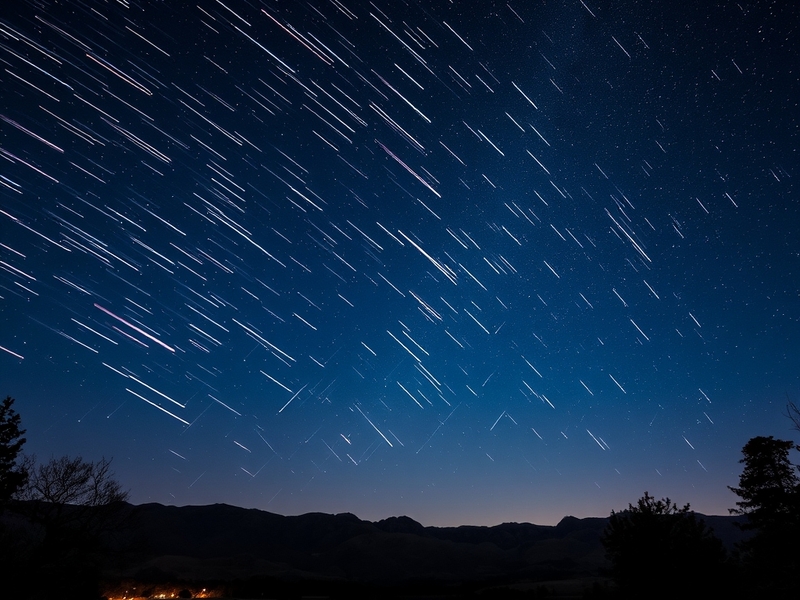
Understanding the Leonids Meteor Shower
The Leonids meteor shower is one of the most celebrated celestial events, renowned for its spectacular displays of shooting stars. Occurring annually in November, it is associated with the comet Tempel-Tuttle, which orbits the Sun approximately every 33 years. As Earth passes through the debris left behind by this comet, meteoroids enter the atmosphere at high speeds, creating bright streaks of light in the night sky.
When to Observe the Leonids
The peak of the Leonids typically occurs between November 17 and 18. However, the exact timing can vary each year based on the Earth’s position relative to the debris trail. Observers can expect to see anywhere from 10 to 20 meteors per hour during a typical shower. In years when the comet is particularly close to Earth, the rate can increase dramatically, leading to breathtaking displays.
For optimal viewing, it is recommended to find a dark location away from city lights. The best time to watch is usually after midnight, as the sky is darker and the meteors become more visible. Clear skies are essential, so checking local weather conditions in advance is advisable.
The Science Behind the Leonids
The meteors of the Leonid shower are produced by tiny particles, often no larger than a grain of sand. As these meteoroids enter the Earth’s atmosphere at speeds exceeding 70 kilometers per second, they create friction, which leads to their incandescence and the bright trails we observe. The Leonids are particularly known for the intensity and brightness of their meteors, often producing fireballs that can illuminate the night sky.
Interestingly, the Leonids are also known for their periodic outbursts. Historical records indicate that during certain years, the shower has produced thousands of meteors per hour, leading to what are termed “meteor storms.” These events, such as those noted in 1833 and 1966, have captivated astronomers and skywatchers alike.
How to Prepare for a Meteor Shower
To make the most of the Leonids experience, consider the following tips:
- Choose a location with minimal light pollution.
- Bring a reclining chair or blanket for comfortable viewing.
- Dress warmly, as November nights can be quite cold.
- Allow your eyes to adjust to the darkness for at least 20 minutes.
- Consider using apps or websites that provide real-time updates on meteor activity.
Additionally, sharing the experience with friends or family can enhance the enjoyment. The thrill of witnessing a meteor streak across the sky is best shared with others, as it often leads to awe and excitement.
Conclusion
The Leonids meteor shower offers a unique opportunity to witness the wonders of our universe. With its rich history and potential for spectacular displays, it remains a favorite among astronomers and casual observers alike. Preparing adequately and knowing when to look can significantly enhance the experience. As we continue to explore and understand celestial events, the Leonids remind us of the beauty and mystery of the cosmos.