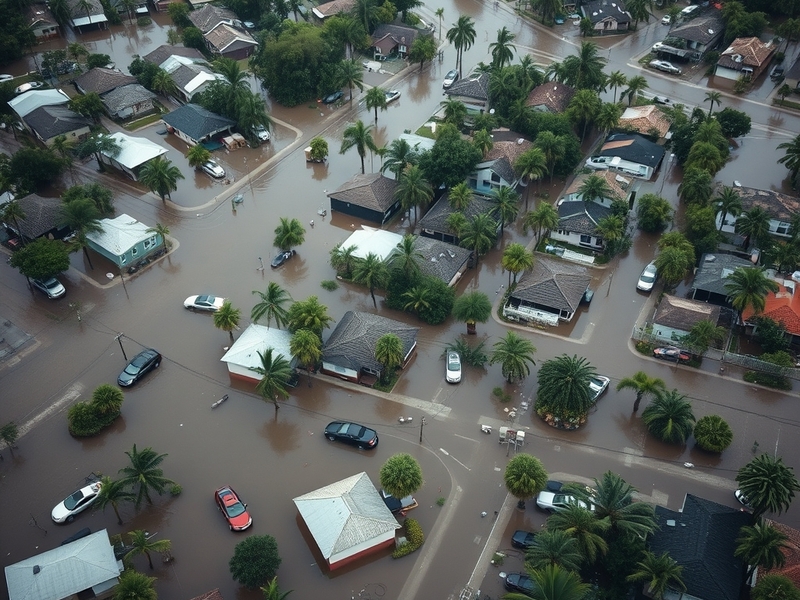
Understanding Florida Flooding: Causes and Consequences
Florida, known for its beautiful beaches and vibrant tourism, faces a persistent challenge: flooding. This phenomenon is not just a seasonal nuisance; it has significant implications for residents, infrastructure, and the environment. Various factors contribute to the flooding situation, including climate change, urban development, and natural weather patterns.
Key Causes of Flooding in Florida
The complexities of Florida’s flooding issues can be attributed to several key factors:
- Heavy Rainfall: Florida experiences intense rainfall, particularly during the hurricane season. These downpours can overwhelm drainage systems.
- Sea-Level Rise: As global temperatures rise, so do sea levels. Coastal areas of Florida are particularly vulnerable to this phenomenon.
- Urbanization: Rapid development has led to increased impervious surfaces, which prevent water absorption and contribute to runoff.
- Natural Geography: The state’s flat terrain makes it difficult for water to drain efficiently, exacerbating flooding conditions.
The Impact of Flooding on Communities
The ramifications of flooding extend beyond the immediate inconvenience of waterlogged streets. Communities often face long-term challenges that can reshape their landscape and livelihoods.
One of the most pressing issues is the impact on infrastructure. Roads, homes, and public facilities can suffer extensive damage. The cost of repairs often falls on local governments and taxpayers, straining budgets that may already be tight.
Additionally, flooding can disrupt local economies. Businesses may close temporarily or even permanently, leading to job losses and decreased economic activity. The tourism industry, a vital component of Florida’s economy, can also be adversely affected, as visitors may be deterred by the risk of flooding.
Broader Implications for Environmental Policy
The ongoing challenge of flooding in Florida highlights the urgent need for comprehensive environmental policy. As climate change continues to influence weather patterns, states must adapt to these realities. Some potential policy responses include:
- Improved Infrastructure: Investing in better drainage systems and flood defenses can help mitigate flooding impacts.
- Land-Use Planning: Implementing stricter regulations on development in flood-prone areas can reduce future risks.
- Community Education: Raising awareness about flooding risks and emergency preparedness can empower residents.
- Restoration Projects: Initiatives that restore natural wetlands can enhance the environment and provide natural flood barriers.
Conclusion: Preparing for the Future
Florida’s flooding challenges are multifaceted and require a robust, multi-pronged approach. It is essential for communities to not only address the immediate effects of flooding but also to consider long-term strategies that will enhance resilience. As climate change continues to pose significant threats, the state’s response will be a critical determinant of its future.
For more information on environmental issues affecting Florida and beyond, visit our Environment and News sections.