Understanding Stuttgarter: A Cultural and Historical Overview
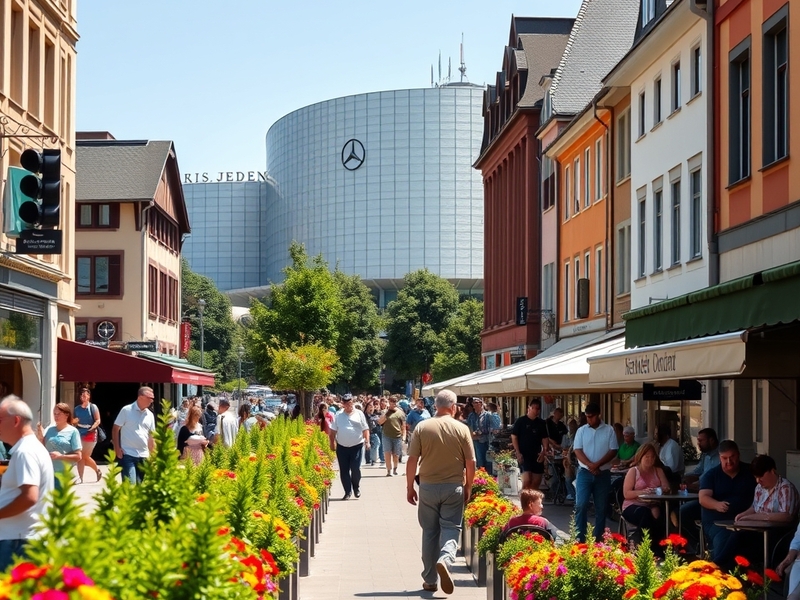
Stuttgart, the capital of the state of Baden-Württemberg in Germany, is renowned for its rich history, vibrant culture, and economic significance. Nestled in a valley surrounded by vineyards and rolling hills, Stuttgart is a city that beautifully marries tradition with modernity. Known for its automotive industry, Stuttgart is home to major manufacturers such as Mercedes-Benz and Porsche, which significantly contribute to its global recognition.
The Historical Significance of Stuttgart
The origins of Stuttgart date back to the 10th century when it was founded as a stud farm, hence the name ‘Stutengarten.’ Over the centuries, it evolved into a significant center of trade and culture. The city played a pivotal role during various historical periods, including the Reformation and the industrial revolution. Today, remnants of its rich past are evident in the well-preserved architecture and numerous museums.
Key historical sites include:
- Schlossplatz: The main square, featuring the New Palace and beautiful gardens.
- Stiftskirche: A Gothic church that reflects the city’s medieval roots.
- Mercedes-Benz Museum: Showcases the history of the automobile and the brand’s impact on Stuttgart.
Stuttgart’s Cultural Landscape
Stuttgart boasts a vibrant cultural scene that attracts visitors from around the world. The city is known for its theaters, art galleries, and music festivals. The Stuttgart Ballet, one of the leading ballet companies globally, is a testament to the city’s artistic prowess. Additionally, the Stuttgart State Opera is recognized for its exceptional performances and productions.
Every year, Stuttgart hosts several cultural festivals, including:
- Stuttgart Wine Festival: Celebrating the region’s rich viticulture.
- Stuttgart Christmas Market: One of the oldest and most beautiful Christmas markets in Europe.
- International Festival of Animated Film: Showcasing innovative animation from around the globe.
These events not only highlight local traditions but also foster a sense of community and attract international visitors, enhancing Stuttgart’s global profile.
Stuttgart’s Economic Impact
The economic landscape of Stuttgart is robust, primarily driven by its automotive industry. The presence of major companies has established Stuttgart as a hub for innovation and technology. This economic strength has led to a higher standard of living and a thriving job market.
Moreover, Stuttgart is recognized for its commitment to sustainability and green technology. Initiatives aimed at reducing carbon emissions and promoting renewable energy are gaining traction, positioning the city as a leader in sustainable practices within the automotive sector.
In addition to automobiles, Stuttgart’s economy is diversified with sectors such as:
- Engineering
- Information Technology
- Biotechnology
This diversification not only strengthens the local economy but also enhances Stuttgart’s competitiveness on a global scale.
Conclusion: The Future of Stuttgart
As Stuttgart continues to evolve, it remains a city that honors its past while embracing the future. The integration of technology, culture, and sustainability will likely define its trajectory in the coming years. With its rich historical roots, vibrant cultural scene, and strong economic foundation, Stuttgart is well-positioned to remain a significant player on the global stage.
For those interested in exploring more about cultural events and activities, visit our Culture section. Additionally, to stay updated on sports events in the region, check out our Sports page.