Understanding the Context of Russian Missiles in Poland
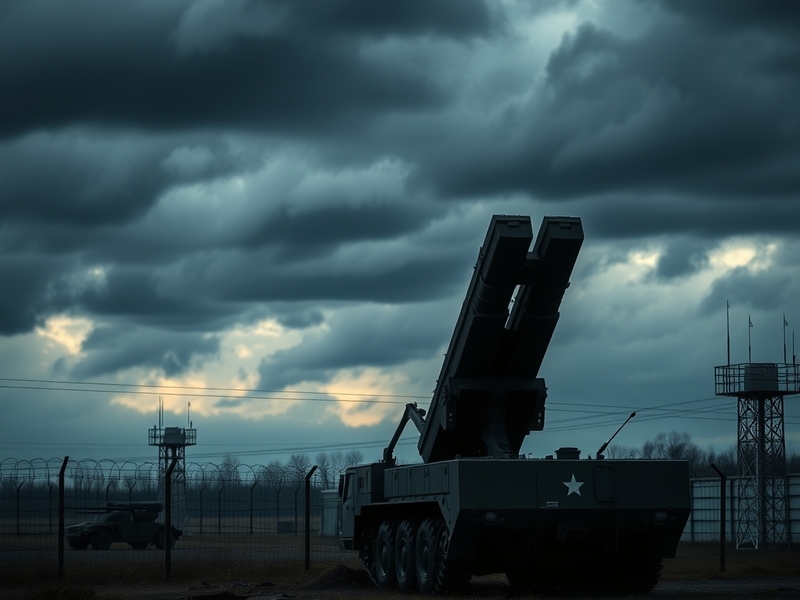
The recent developments surrounding Russian missile activity near Poland have raised significant concerns across Europe and beyond. The strategic positioning of these missiles not only affects regional security but also heightens tensions between NATO and Russia. This article explores the implications of these actions, the historical context, and the potential consequences for international relations.
Historical Background
Poland’s geographical location makes it a crucial player in European security dynamics. As a NATO member since 1999, Poland has been at the forefront of the alliance’s eastern flank. The history of conflict in Eastern Europe, particularly during the Cold War, has left a lasting impact on the region’s security policies.
In recent years, Russia’s military activities, including the annexation of Crimea in 2014 and increased military exercises near NATO borders, have prompted a reevaluation of defense strategies among member states. The deployment of Russian missiles close to Poland is seen as a direct challenge to NATO’s collective defense commitments.
Key Points of Concern
- Escalation of Tensions: The presence of Russian missiles near Poland signals a potential escalation in military hostilities.
- NATO’s Response: NATO must consider its response strategies to reinforce its eastern borders and provide assurance to member states.
- Impact on Civilian Safety: The proximity of military assets increases the risks for civilian populations in Poland and surrounding countries.
- International Relations: These developments could strain diplomatic relations not only between NATO and Russia but also among member states as they navigate their security policies.
Broader Implications for European Security
The implications of Russian missile deployments extend beyond Poland’s borders. They challenge the stability of the entire European continent. NATO’s collective defense principle, enshrined in Article 5 of the North Atlantic Treaty, may be tested if tensions escalate further.
Moreover, the situation could lead to an arms race in Eastern Europe, as neighboring countries might feel compelled to bolster their defenses in response. This arms buildup could destabilize the region, leading to increased military tensions and potential conflicts.
Additionally, the European Union’s political cohesion could be tested. Member states may have differing views on how to respond to Russian actions, complicating collective decision-making. Countries with historical ties to Russia may advocate for diplomatic solutions, while others may push for a more aggressive military stance.
Conclusion: Navigating Uncertain Waters
The deployment of Russian missiles near Poland presents significant challenges for both regional and international security. As NATO and European nations grapple with their responses, the need for a balanced approach becomes increasingly clear. Diplomatic engagement must accompany military readiness to prevent further escalation and maintain stability.
In the coming months, it will be crucial for Poland and its allies to monitor the situation closely, ensuring that their strategies are both proactive and measured. The future of European security may well depend on how effectively these nations can navigate the complexities of their relationships with Russia while ensuring the safety of their citizens.