
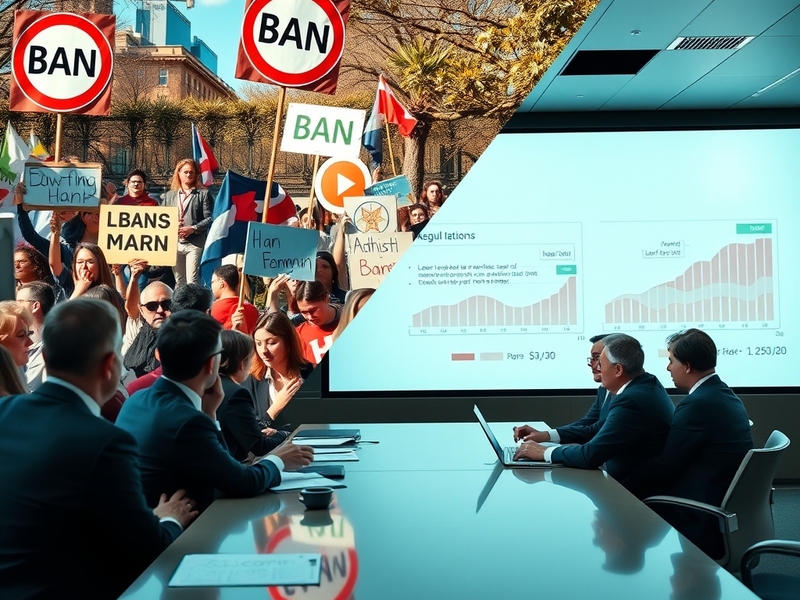
Understanding the Dynamics of Ban vs SA
The ongoing debate surrounding the ban versus SA (Social Accountability) issue has gained traction in recent years. This discussion encompasses various sectors including politics, technology, and social justice. Each side presents compelling arguments, making it crucial to analyze the implications of both positions.
The Ban Perspective
Proponents of the ban argue that certain measures are essential for maintaining order and protecting the public interest. They believe that restrictions can prevent harmful behaviors and ensure a safer environment. For instance, bans on specific substances or practices are often justified by the need to safeguard public health.
Key points in favor of the ban include:
- Public Safety: Advocates emphasize that bans can significantly reduce risks associated with harmful activities.
- Regulatory Control: Banning certain practices allows governments to maintain control over potentially dangerous sectors.
- Social Morality: Some believe that bans reflect societal values and protect the community from perceived moral decay.
The Case for Social Accountability
On the other hand, supporters of social accountability argue that bans can lead to unintended consequences. They contend that restrictions may infringe on personal freedoms and stifle innovation. Instead of outright bans, they advocate for a more balanced approach that includes education and awareness.
Key arguments for social accountability include:
- Empowerment: Social accountability encourages individuals to make informed choices rather than relying solely on regulations.
- Innovation: By allowing certain practices to continue under oversight, new solutions and technologies can emerge.
- Community Engagement: This approach fosters dialogue and collaboration among stakeholders, leading to more effective solutions.
Real-World Examples
The ban versus SA debate is not merely theoretical; it has practical implications in various domains. For instance, in the realm of technology, the ban on certain digital platforms has sparked discussions about censorship and user rights. Similarly, the regulation of social media platforms raises questions about accountability and freedom of expression.
Some notable examples include:
- Alcohol Prohibition: The historical ban on alcohol in the United States during the 1920s led to a rise in organized crime and ultimately a reversal of the ban.
- Online Content Restrictions: Countries that impose strict bans on social media have faced backlash from users advocating for digital rights.
- Environmental Regulations: Bans on certain pollutants can lead to significant improvements in public health, though they may also impact industries reliant on those substances.
Conclusion: Finding a Middle Ground
The debate between ban and social accountability is complex and multifaceted. While bans can serve a purpose in certain scenarios, they may also lead to negative repercussions. Conversely, social accountability promotes personal responsibility but may not adequately address urgent issues.
Ultimately, a nuanced approach that considers the specific context of each situation is essential. Policymakers should strive to balance regulation with empowerment, ensuring that the rights of individuals are respected while maintaining public safety. For more insights on related topics, visit our News and Analysis sections.