
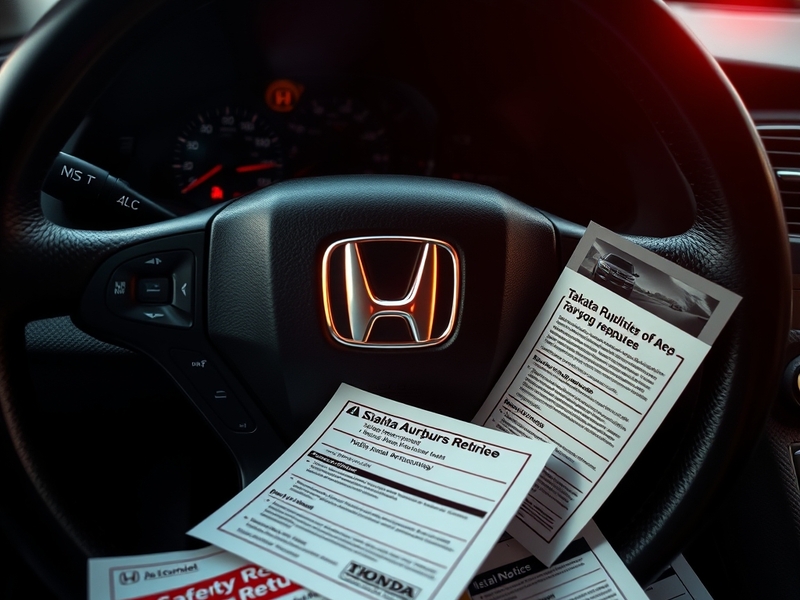
Understanding the Honda Takata Airbag Recall
The Honda Takata airbag rupture notice is a critical topic for vehicle owners and safety advocates alike. This issue stems from a massive recall involving Takata airbags, which have been linked to several injuries and fatalities worldwide. The airbags can deploy with excessive force, causing metal fragments to be propelled into the cabin of the vehicle, posing a significant risk to occupants.
Initially, the recall was issued in 2013, but the scope has expanded over the years as more vehicles were found to be affected. Honda, being one of the largest automakers, has been deeply involved in addressing this safety concern. The recall includes millions of vehicles, and as the situation evolves, it remains essential for owners to stay informed.
Scope of the Recall
The recall affects a wide range of Honda models, manufactured between 2001 and 2016. The affected vehicles include sedans, SUVs, and trucks. Here’s a list of some of the key models included:
- Honda Accord (2001-2016)
- Honda Civic (2001-2015)
- Honda CR-V (2002-2016)
- Honda Odyssey (2005-2010)
- Honda Pilot (2003-2016)
Vehicle owners can check if their specific model is affected by visiting the official Honda or NHTSA websites, where they can enter their Vehicle Identification Number (VIN) for detailed information.
Global Impact and Cultural Context
The Takata airbag issue has had a far-reaching impact beyond just the automotive industry. It has raised awareness about vehicle safety standards and regulations across the globe. Countries such as the United States, Japan, and those in Europe have all been involved in addressing this crisis, each responding with different regulatory measures and public safety campaigns.
In Japan, the home of Takata Corporation, the scandal has sparked a national conversation about corporate responsibility and consumer safety. Many consumers have expressed distrust toward automotive manufacturers, leading to calls for more stringent safety regulations and better transparency from companies. In the U.S., the National Highway Traffic Safety Administration (NHTSA) has implemented more rigorous testing and reporting standards to prevent similar incidents in the future.
Steps to Take as a Vehicle Owner
If you own a Honda vehicle that may be affected by the Takata airbag recall, it is crucial to take immediate action. Here are some recommended steps:
- Check your VIN on Honda’s official website or the NHTSA site.
- If your vehicle is affected, contact your local Honda dealer to schedule a repair.
- Stay informed about any updates regarding the recall or safety notices.
- Consider joining online forums or community groups for support and shared experiences.
Staying proactive can help ensure your safety and that of your passengers. Honda has been working diligently to replace the faulty airbags, but the process can take time, given the scale of the recall.
Conclusion
The Honda Takata airbag rupture notice underscores the importance of vehicle safety and corporate accountability. As the recall continues to evolve, it is imperative for vehicle owners to remain vigilant and informed. By taking the necessary steps to check for recalls and address any issues, consumers can protect themselves and contribute to a safer driving environment. The situation serves as a reminder of the interconnectedness of global manufacturing practices and the critical need for stringent safety standards in the automotive industry.