
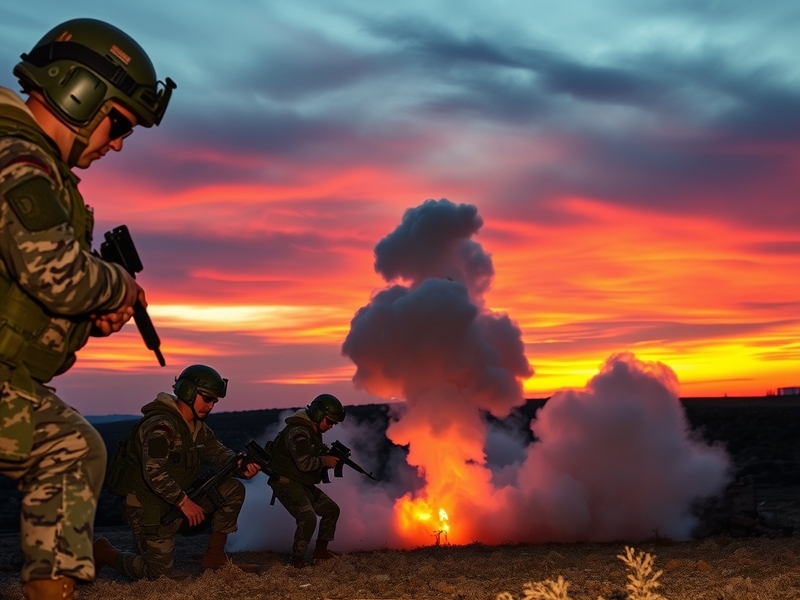
Understanding the Iowa Army Lead Azide Detonation
The recent lead azide detonation incident involving the Iowa Army has raised significant concerns regarding safety protocols and operational standards within military facilities. Lead azide, a highly sensitive primary explosive, is often used in military applications for detonators and other munitions. The detonation, which occurred during routine procedures, highlights the potential risks associated with handling such volatile substances.
What Happened?
On a clear day in Iowa, an unexpected explosion shook the local area, leading to an immediate response from emergency services and military personnel. Initial reports indicate that the detonation was accidental, resulting from improper handling or storage of lead azide. Fortunately, there were no casualties, but the incident prompted a thorough investigation into the circumstances surrounding the explosion.
Key Points of the Incident
- Accidental detonation during routine military operations.
- No reported injuries or fatalities, but significant property damage.
- Immediate investigation launched by military officials and local authorities.
- Concerns raised about safety protocols regarding explosive materials.
- Potential implications for future military operations and public safety.
Broader Implications of the Detonation
The Iowa Army lead azide detonation serves as a reminder of the inherent risks associated with military operations involving explosives. While the military maintains strict safety protocols, this incident raises questions about the adequacy of current measures. It also highlights the need for continuous training and assessment of procedures to prevent similar occurrences in the future.
Moreover, the incident may have implications extending beyond military safety. Public perception of military operations can be significantly impacted by such events. Communities surrounding military bases often express concerns about safety, especially when explosive materials are involved. This incident may lead to increased scrutiny and demands for transparency from military officials.
Context and Future Considerations
Historically, the military has faced challenges with explosive materials management. Previous incidents involving detonations or accidental explosions have prompted changes in protocols and legislation aimed at enhancing safety. In light of the Iowa incident, it is likely that further evaluations of explosive handling procedures will take place, not only in Iowa but across military installations nationwide.
Moving forward, several key considerations should be addressed:
- Review and update safety training for personnel involved in handling explosives.
- Conduct regular audits of explosive storage facilities to ensure compliance with safety standards.
- Enhance communication with local communities about safety measures and emergency response plans.
- Invest in research to develop safer alternatives to highly sensitive explosives like lead azide.
Addressing these considerations will be crucial in preventing future incidents and maintaining public trust in military operations. The Iowa Army lead azide detonation underscores the importance of vigilance and accountability in managing explosive materials.
For more information on military safety protocols and explosive materials, visit our dedicated sections on military safety and explosives management.