Understanding the £100 Energy Payment
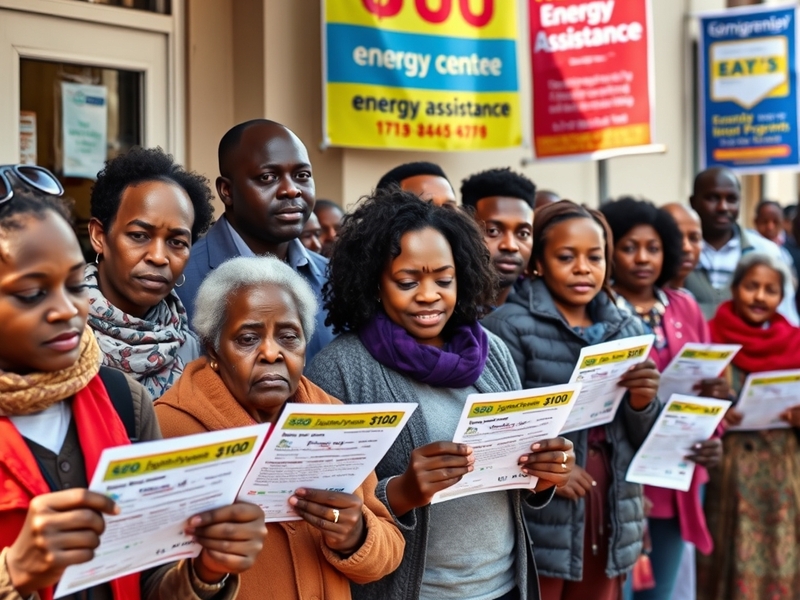
The £100 energy payment is a financial assistance initiative aimed at helping households manage their energy costs. As energy prices continue to fluctuate dramatically, many families find themselves struggling to keep up with the rising costs. This payment serves as a buffer, providing some relief during challenging economic times.
Who Qualifies for the Payment?
Eligibility for the £100 energy payment is primarily based on specific criteria set by the government. Here are the key points regarding who can receive this support:
- Households receiving certain benefits, such as Universal Credit or Pension Credit.
- Families with children under the age of 16 who are entitled to Child Benefit.
- Individuals or families facing financial difficulties due to rising energy costs.
- Residents of care homes or those receiving care at home may also be eligible under specific conditions.
It is crucial for applicants to check the specific guidelines and ensure they meet the necessary requirements to qualify for this assistance.
Application Process
The application process for the £100 energy payment is designed to be straightforward. Applicants can typically apply online through government websites or local authority portals. Here is a step-by-step overview of the process:
- Gather necessary documentation, including proof of income and any benefit entitlement letters.
- Visit the official government website or local authority page.
- Complete the application form, ensuring all details are accurate.
- Submit your application and await a response.
It is advisable to apply as soon as possible, as funds may be limited and distributed on a first-come, first-served basis. Additionally, applicants should keep track of their application status to ensure they receive the payment promptly.
Broader Implications of the Energy Payment
The £100 energy payment not only alleviates immediate financial pressure but also highlights broader economic issues. As energy prices soar, the need for government intervention becomes increasingly apparent. This payment is a response to the growing concern over energy poverty, where households cannot afford basic energy needs.
Moreover, this initiative underscores the importance of social safety nets in times of economic uncertainty. By providing direct financial support, the government aims to stabilize households and promote economic resilience. However, it also raises questions about the sustainability of such measures and the long-term strategies required to address energy costs effectively.
For further insights on financial assistance programs, visit our Finance and News sections.
Conclusion
The £100 energy payment is a vital support mechanism for many households grappling with rising energy costs. By understanding the eligibility criteria and application process, affected individuals can take advantage of this assistance. However, as we look toward the future, it is essential to consider the broader implications of energy pricing and the necessity for sustainable solutions that will protect vulnerable populations from financial distress.