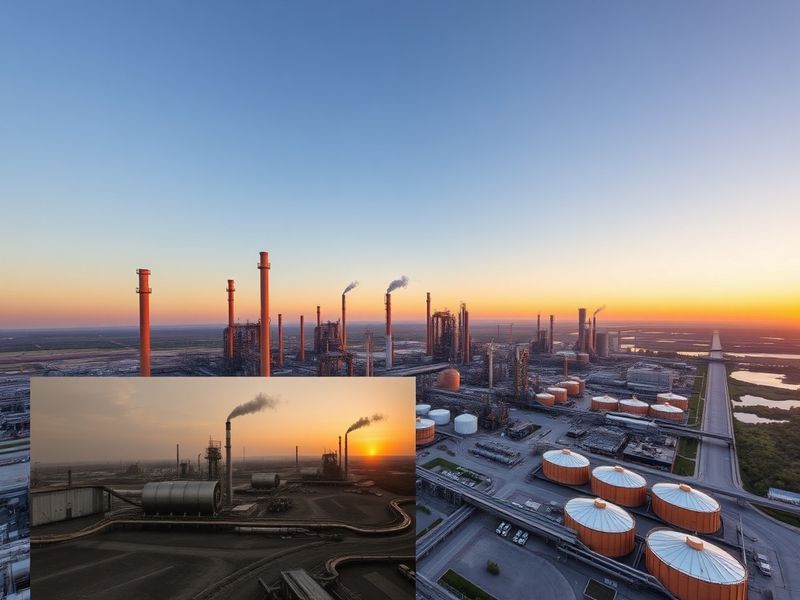
Exploring the Port Arthur Oil Refinery: History, Impact, and Future
Understanding the Port Arthur Oil Refinery
The Port Arthur Oil Refinery, located in Texas, is one of the largest oil refineries in the United States. Operated by TotalEnergies, this facility plays a critical role in the energy sector, processing large volumes of crude oil into various petroleum products. As global energy demands evolve, the significance of the Port Arthur refinery only continues to grow.
History and Development
Established in 1901, the Port Arthur Oil Refinery has a rich history that reflects the evolution of the oil industry in America. Initially built to support the burgeoning demand for oil, it has undergone numerous expansions and technological upgrades over the decades. The refinery has become a vital component of the Gulf Coast’s industrial landscape.
Several notable events have shaped the refinery’s operations:
- World War II: During this period, the refinery ramped up production to support military efforts.
- Environmental Regulations: The late 20th century brought stricter environmental laws, prompting the refinery to invest in cleaner technologies.
- Recent Upgrades: In the 21st century, TotalEnergies has made significant investments to enhance efficiency and reduce emissions.
Economic Impact
The Port Arthur Oil Refinery is not only a key player in the energy market, but it also serves as an economic engine for the region. Employing thousands of workers, it contributes significantly to local and state economies. Its operations generate substantial tax revenue, which funds essential public services.
Moreover, the refinery’s influence extends beyond Texas. It supplies refined products to a vast network of consumers and businesses across the United States and abroad. The interconnected nature of global energy systems means that fluctuations in production levels can have far-reaching consequences.
Environmental Considerations
With the increasing focus on sustainability, the Port Arthur Oil Refinery faces challenges related to environmental impacts. Oil refineries are known for their carbon emissions and potential for spills, which have raised concerns among environmentalists and communities alike.
In response, TotalEnergies has committed to implementing more sustainable practices, including:
- Investing in renewable energy sources.
- Enhancing waste management systems.
- Reducing greenhouse gas emissions through advanced technologies.
Such initiatives aim to balance the refinery’s operational needs with environmental responsibilities, reflecting a broader trend in the energy sector towards sustainability.
Future Outlook
The future of the Port Arthur Oil Refinery will depend on various factors, including global oil prices, technological advancements, and shifts in energy policy. As the world moves toward alternative energy sources, refineries must adapt to remain relevant. The Port Arthur facility is poised to play a significant role in this transition, especially with its ongoing investments in cleaner technology.
Additionally, the demand for petrochemicals and other refined products remains robust. As industries evolve and new markets emerge, the refinery’s adaptability will be crucial for its continued success.
Conclusion
The Port Arthur Oil Refinery stands as a testament to the complexities of the energy sector. Its historical significance, economic contributions, and environmental challenges highlight the multifaceted role it plays in both local and global contexts. As the industry evolves, the refinery’s ability to innovate and adapt will determine its future trajectory.
For those interested in further exploring the intersections of energy, environment, and economy, consider visiting our Business and Environment sections for more insights.