The F-35 Fighter Jet: A Technological Marvel
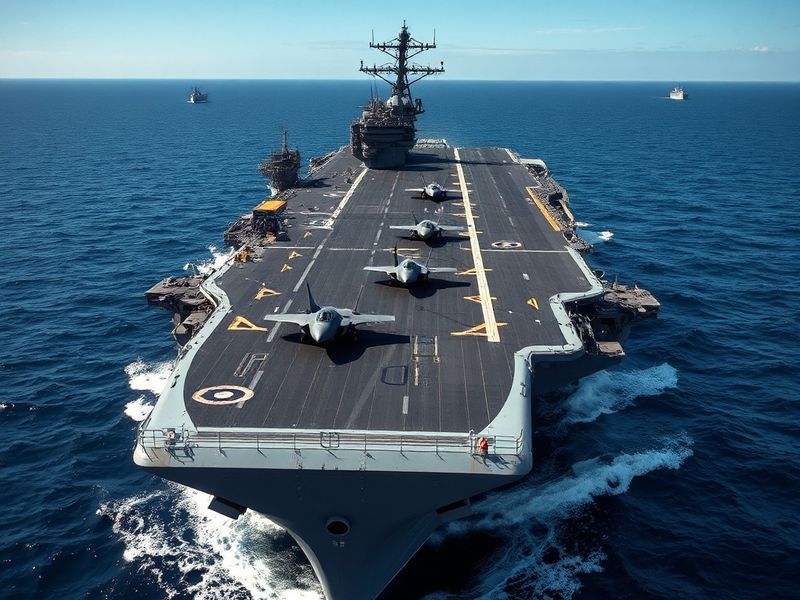
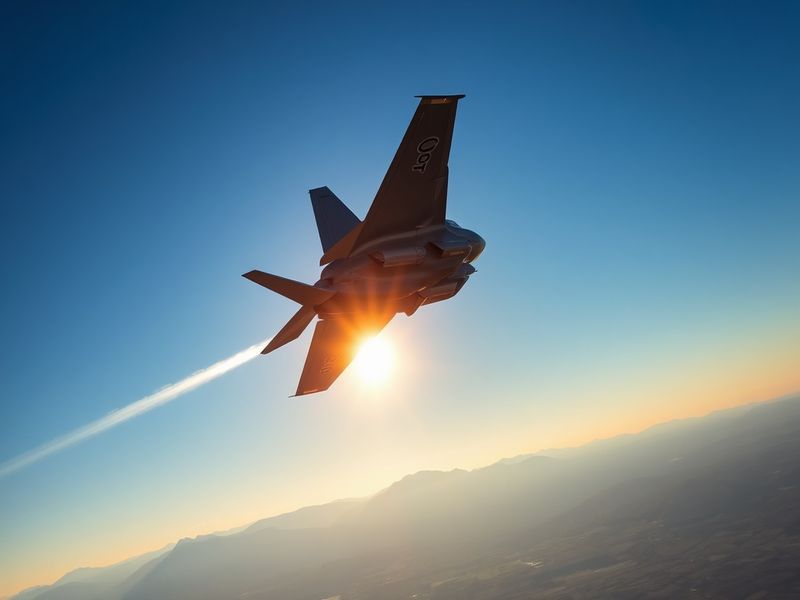
The F-35 fighter jet, also known as the Lightning II, represents a significant advancement in military aviation technology. Developed by Lockheed Martin, this fifth-generation multirole stealth fighter has been designed to perform a variety of missions, including air superiority, ground attack, and intelligence, surveillance, and reconnaissance (ISR). With its advanced capabilities, the F-35 aims to provide a tactical advantage in modern warfare.
Key Features and Capabilities
The F-35 is notable for its combination of stealth, speed, and versatility. Here are some of its key features:
- Stealth Technology: The F-35’s design minimizes its radar cross-section, making it harder for enemy radar to detect.
- Advanced Avionics: Equipped with state-of-the-art sensors, the F-35 provides pilots with unparalleled situational awareness.
- Multirole Capability: It can execute various missions including air-to-air combat, air-to-ground strikes, and electronic warfare.
- Vertical Takeoff and Landing (VTOL): The F-35B variant is capable of taking off and landing vertically, enhancing its operational flexibility.
These features not only enhance the jet’s combat effectiveness but also position it as a key player in joint military operations. The F-35 is designed to operate in tandem with other aircraft, allowing for seamless integration in complex combat scenarios.
Global Impact and Export Potential
The F-35 program has garnered significant interest from various nations around the globe. Countries such as the United Kingdom, Israel, and Japan have invested in the F-35, recognizing its potential to bolster their air forces. This international collaboration has led to a robust supply chain and a shared commitment to advancing military aviation technology.
Moreover, the F-35’s export potential is substantial. The Joint Strike Fighter program has facilitated partnerships that allow allied nations to purchase the aircraft, thereby enhancing global military cooperation. This strategy has resulted in:
- Enhanced interoperability between allied forces.
- Shared intelligence and operational strategies.
- Economic benefits for participating countries through defense contracts.
However, the program has faced criticism regarding its cost and development timeline. Critics argue that the F-35’s price tag, which can exceed $100 million per unit, limits accessibility for some nations. Additionally, continuous updates and modifications have led to delays and budget overruns, raising concerns about the program’s long-term viability.
Challenges and Controversies
While the F-35 is heralded as a technological triumph, it has not been without its share of controversies. Issues related to software reliability, maintenance costs, and operational readiness have sparked debates among military analysts and policymakers.
Some of the prominent challenges include:
- Software Issues: The F-35’s extensive reliance on software has led to complications, with updates often causing delays in operational readiness.
- Maintenance Costs: The aircraft’s advanced systems require specialized training and equipment, resulting in higher maintenance expenses.
- Performance Concerns: Questions about the jet’s dogfighting capabilities compared to older models have raised eyebrows among military strategists.
Despite these challenges, the F-35 program continues to evolve. Lockheed Martin is committed to addressing these issues through ongoing software updates and improvements in maintenance protocols, ensuring that the aircraft remains a viable option for modern air forces.
Conclusion
The F-35 fighter jet stands as a testament to modern military aviation, showcasing innovations that redefine combat capabilities. While it faces challenges, its advanced technology and multirole versatility make it a critical asset for many nations. As the program progresses, it will be essential for military leaders to balance the benefits of advanced technology with the realities of cost and operational efficiency.
For more insights into military technology, visit our technology section and explore the latest developments. Stay informed about defense and aviation trends by checking our news category.