Volkswagen: Innovation and Challenges in the Automotive Industry
Volkswagen: A Legacy of Innovation and Adaptation
Volkswagen, a name synonymous with automotive excellence, has carved a significant niche in the global automobile industry. Founded in 1937 in Germany, it has evolved from producing the iconic Beetle to a diverse range of vehicles, including electric models. The company has continually adapted to changing market demands and societal shifts, positioning itself as a leader in both innovation and sustainability.
The Evolution of Volkswagen
Volkswagen’s journey is marked by significant milestones that reflect broader trends in automotive design and technology. The brand initially gained fame with the Beetle, which became a symbol of the 1960s counterculture. Over the decades, Volkswagen expanded its portfolio, introducing various models that cater to different market segments.
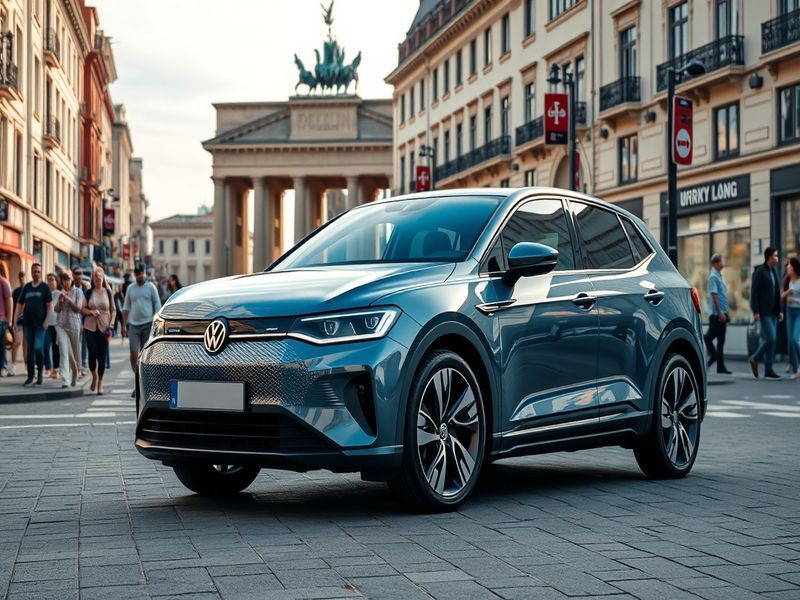
In recent years, the automotive landscape has shifted dramatically due to advancements in technology and increasing environmental concerns. Volkswagen has responded by investing heavily in electric vehicle (EV) technology, aiming to lead the charge towards a more sustainable future. The introduction of the ID. series represents a pivotal moment in the company’s commitment to reducing carbon emissions and embracing renewable energy sources.
Volkswagen’s Global Impact
Volkswagen operates in numerous countries, making it one of the largest automotive manufacturers worldwide. Its global footprint has allowed the company to adapt its strategies to different markets while maintaining a consistent brand identity. Here are some key aspects of Volkswagen’s global influence:
- Economic Contributions: Volkswagen creates thousands of jobs worldwide, contributing significantly to local economies.
- Environmental Initiatives: The company has pledged to reduce its carbon footprint, investing in green technologies and sustainable manufacturing processes.
- Cultural Influence: Volkswagen’s vehicles are often featured in popular culture, from movies to music, symbolizing freedom and adventure.
- Innovation Leadership: The brand continues to push boundaries with its research in autonomous driving and electric mobility.
In regions like Europe, the push for stricter emissions standards has led Volkswagen to innovate rapidly. The company’s commitment to electric vehicles is evident in its ambitious plans to launch several new models over the next decade. This proactive approach not only meets regulatory demands but also aligns with consumer preferences for eco-friendly transportation.
Challenges and Controversies
Despite its successes, Volkswagen has faced significant challenges. The emissions scandal, also known as “Dieselgate,” severely impacted the brand’s reputation. This controversy highlighted the importance of transparency and ethical practices in business. In response, Volkswagen has implemented stricter compliance measures and worked to regain consumer trust.
Additionally, as the automotive industry faces disruptions from new technologies and competitors, Volkswagen must navigate the complexities of electric vehicle adoption, charging infrastructure, and changing consumer expectations.
The Future of Volkswagen
Looking ahead, Volkswagen is poised to continue its evolution. The company is focusing on several key areas:
- Electric Vehicles: Expanding the ID. lineup and investing in battery technology.
- Autonomous Driving: Developing self-driving technologies to enhance safety and convenience.
- Sustainability: Aiming for carbon neutrality across its operations and supply chain by 2050.
- Digital Transformation: Leveraging data and connectivity to enhance customer experiences.
Volkswagen’s commitment to innovation and sustainability will play a crucial role in shaping its future. As it strives to overcome past challenges, the company remains focused on creating vehicles that meet the needs of a changing world.
In conclusion, Volkswagen’s journey from a post-war manufacturer to a global automotive leader is a testament to its resilience and adaptability. By embracing new technologies and addressing societal challenges, Volkswagen is not only redefining its legacy but also setting a course for a sustainable future in the automotive industry.