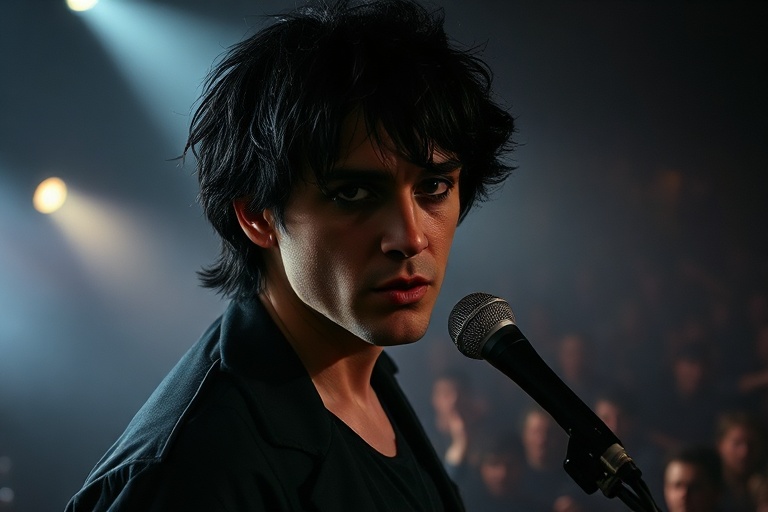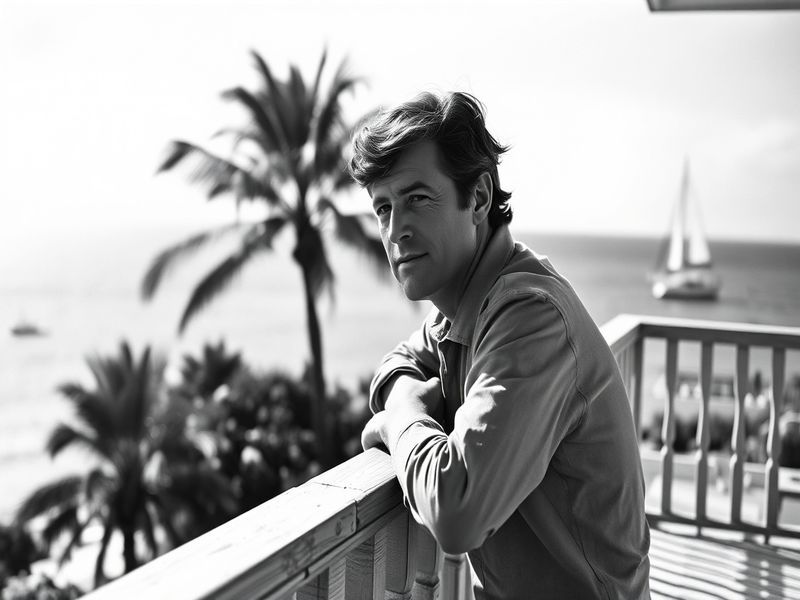
John Fitzgerald Kennedy Jr., born on November 25, 1960, was more than the son of a president or the brother of a future one. He was a cultural icon in his own right, a man whose life was marked by privilege, tragedy, and an enduring mystique that persists decades after his untimely death. Often referred to as “John-John” as a child, his public life began in the most extraordinary of circumstances—front-row seats to history during one of America’s darkest moments.
The assassination of his father, President John F. Kennedy, in 1963 thrust young John into the global spotlight. Images of him saluting his father’s coffin at age three became seared into the nation’s collective memory. For many, he embodied the innocence lost in that era, a living symbol of both the promise and fragility of American leadership. Yet, as he grew older, Kennedy Jr. would carve out an identity far removed from the shadow of tragedy.
The Making of a Cultural Icon
Kennedy Jr.’s transformation from a grieving child into a charismatic public figure was nothing short of remarkable. After graduating from Brown University and earning a law degree from New York University, he initially pursued a career in politics, working as an assistant district attorney in Manhattan. But it was his foray into publishing that truly defined his legacy. In 1995, he launched George, a glossy political magazine aimed at a younger audience. The publication was bold, irreverent, and unapologetically ambitious—much like Kennedy himself.
The magazine’s tagline, “Not just politics as usual,” reflected its mission to blend serious journalism with pop culture. Kennedy Jr. appeared on the cover of his own magazine in 1997, donning a cowboy hat and posing with a grin that seemed to encapsulate his effortless charm. George became a cultural touchstone, attracting high-profile contributors and readers alike. It was a testament to Kennedy Jr.’s ability to bridge divides, something his father had also excelled at during his presidency.
Beyond publishing, Kennedy Jr. was a fixture in New York’s social scene. His romantic entanglements with models and actresses, including Madonna and Daryl Hannah, kept tabloids buzzing. He was photographed at Studio 54, hobnobbing with the likes of Michael Jackson and Andy Warhol. To the public, he represented a new kind of American aristocracy—one that was accessible, stylish, and unafraid to break conventions.
The Private Struggles Behind the Public Mask
Despite his polished image, Kennedy Jr.’s life was far from uncomplicated. The death of his father was only the first in a series of tragedies that would shape his adulthood. His uncle, Robert F. Kennedy, was assassinated in 1968 when John was just seven years old. The loss of two father figures in his formative years left deep scars, ones that would later manifest in his personal life.
Kennedy Jr. battled with alcoholism for years, a struggle that was rarely discussed openly during his lifetime. Friends and colleagues noted his charisma could mask a deeper restlessness, a sense that he was perpetually searching for something just out of reach. His 1996 marriage to Carolyn Bessette, a public relations executive, was both a personal triumph and a point of intense media scrutiny. The couple’s privacy was constantly invaded by paparazzi, a relentless invasion that culminated in their tragic deaths.
Beneath the glamour, Kennedy Jr. was also a man grappling with the weight of his name. He once remarked that he felt like a “relic” of a bygone era, forever defined by his family’s legacy rather than his own achievements. This tension between public expectation and personal identity was a recurring theme in his life, one that resonated with many who admired him.
The Legacy of a Man Who Defied Easy Definition
John F. Kennedy Jr. died on July 16, 1999, when the small plane he was piloting crashed into the Atlantic Ocean off the coast of Martha’s Vineyard. He was 38 years old. The accident also claimed the lives of his wife and her sister, Lauren Bessette. The nation mourned the loss of a figure who had become a symbol of hope, resilience, and the fleeting nature of fame.
In the years since his death, Kennedy Jr.’s legacy has only grown more complex. Some remember him as a symbol of Camelot’s enduring myth, a man who carried the torch of his family’s legacy with grace and dignity. Others see him as a cautionary tale—a figure who struggled to escape the long shadow of his father’s assassination and the burdens of his name. His life, marked by both triumph and tragedy, offers a nuanced portrait of America’s complicated relationship with fame, family, and history.
The Enduring Fascination with Kennedy Jr.
Decades after his death, Kennedy Jr. remains a subject of fascination. Documentaries, books, and podcasts continue to explore his life, often seeking to answer the same question: Who was John F. Kennedy Jr. beyond the headlines? Was he a man trapped by his legacy, or someone who defied it? The answers are as varied as the people who ask the questions.
For many, Kennedy Jr. embodied the idealism of the 1960s—a time when youth, style, and ambition seemed to promise a brighter future. His death, like his life, was a stark reminder of how quickly that future could vanish. Yet, his story is also one of reinvention. He wasn’t just the boy in the Oval Office or the grieving child at his father’s funeral. He was a man who dared to redefine himself, even if the world refused to let him go.
Today, Kennedy Jr.’s legacy lives on in the pages of George, in the memories of those who knew him, and in the endless speculation about what might have been. He was, in many ways, the last true prince of American politics—a figure whose life was both a gift and a burden, and whose story is far from over.
For those interested in exploring more about the Kennedy family’s impact on American culture, visit our Culture section. To dive deeper into the stories of iconic figures who shaped history, check out our Entertainment archives.