Introduction to Al Sharpton
Al Sharpton is a prominent American civil rights activist, Baptist minister, and television personality. His career spans several decades, during which he has played a significant role in advocating for social justice, particularly in relation to issues affecting African Americans. Sharpton’s activism has often placed him at the center of national discussions on race and equality.
Activism and Advocacy
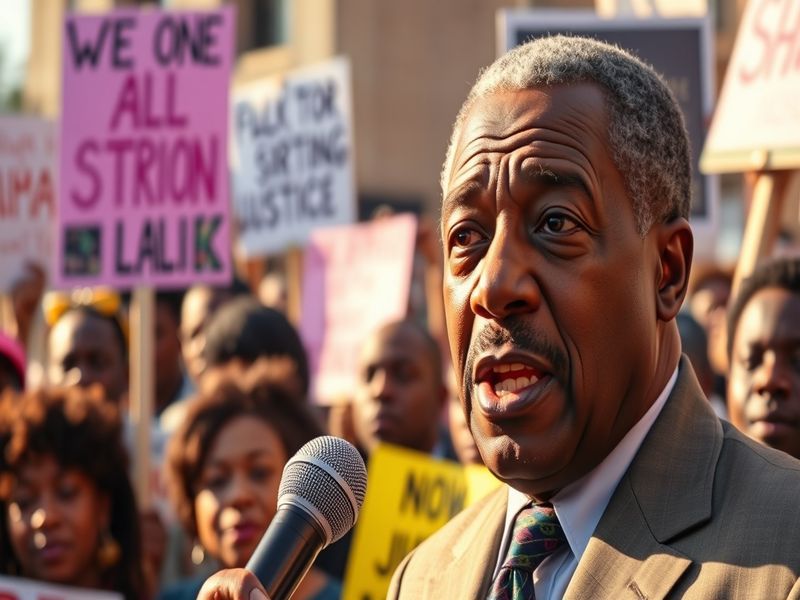
Sharpton has been involved in numerous civil rights campaigns, often leading protests and organizing rallies. His early activism was sparked by high-profile cases such as the murder of Yusef Hawkins in 1989 and the Crown Heights riots in 1991. These events galvanized Sharpton and helped to shape his public persona as a fierce advocate for racial justice.
Throughout his career, Sharpton has established several organizations aimed at promoting civil rights, including the National Action Network (NAN), which he founded in 1991. NAN focuses on issues such as police brutality, voter suppression, and economic inequality. Its mission is to address and combat injustices that affect marginalized communities across the United States.
Media Presence
In addition to his activism, Sharpton has made a name for himself in the media. He hosts a television show on MSNBC, where he discusses current events and issues related to race and politics. His presence on television has expanded his influence and allowed him to reach a broader audience.
Sharpton’s media appearances often blend commentary with advocacy, making him a significant figure in both realms. He is known for his passionate speeches and ability to articulate complex social issues in an accessible manner. This has helped him cultivate a loyal following, as well as critics who challenge his views and methods.
Controversies and Criticism
Sharpton’s career has not been without controversy. His outspoken nature has drawn criticism from various quarters. Some detractors accuse him of being divisive or inflaming tensions rather than fostering dialogue. Additionally, his past involvement in several high-profile cases has raised questions about his motives and methods.
Despite the criticism, Sharpton has maintained a steadfast commitment to his cause. He often addresses these controversies head-on, arguing that the issues he speaks about are too important to ignore. His resilience in the face of opposition has become a defining characteristic of his public persona.
Key Contributions
Sharpton’s contributions to civil rights and social justice can be summarized in several key areas:
- Advocacy for Racial Equality: Sharpton has been a vocal advocate for policies that promote racial equality and justice.
- Community Organization: Through NAN, he has mobilized communities to address issues such as police violence and economic disparity.
- Media Engagement: His presence in the media helps to keep important conversations about race and justice in the public eye.
- Political Influence: Sharpton has engaged with various political figures, advocating for policies that align with his vision for social justice.
Conclusion
Al Sharpton remains a pivotal figure in American civil rights activism. His relentless pursuit of justice and equality has left an indelible mark on the landscape of social advocacy. While he is often a polarizing figure, his impact on discussions surrounding race and justice cannot be overlooked. Whether through his activism, media presence, or community organization, Sharpton continues to be a significant voice advocating for those who seek justice and equality in America.
For further exploration of similar topics, visit our Politics and Culture sections.