Rhinos vs Wolves: A Comparative Analysis of Two Iconic Species
Introduction to Rhinos and Wolves
Rhinos and wolves are fascinating creatures, each with unique characteristics and roles in their respective ecosystems. While they inhabit different environments and exhibit distinct behaviors, a comparison between these two species reveals much about nature’s diversity.
Physical Characteristics
Rhinos, or rhinoceroses, are large, herbivorous mammals known for their thick skin and one or two horns on their snouts. They are primarily found in Africa and South Asia. Their size can be quite imposing, with some species weighing over a ton.
On the other hand, wolves are canines known for their pack behavior and social structures. They are typically smaller than rhinos, with an average weight ranging from 50 to 110 pounds, depending on the species. Wolves are agile and built for endurance, making them effective hunters.
Comparison of Size and Strength
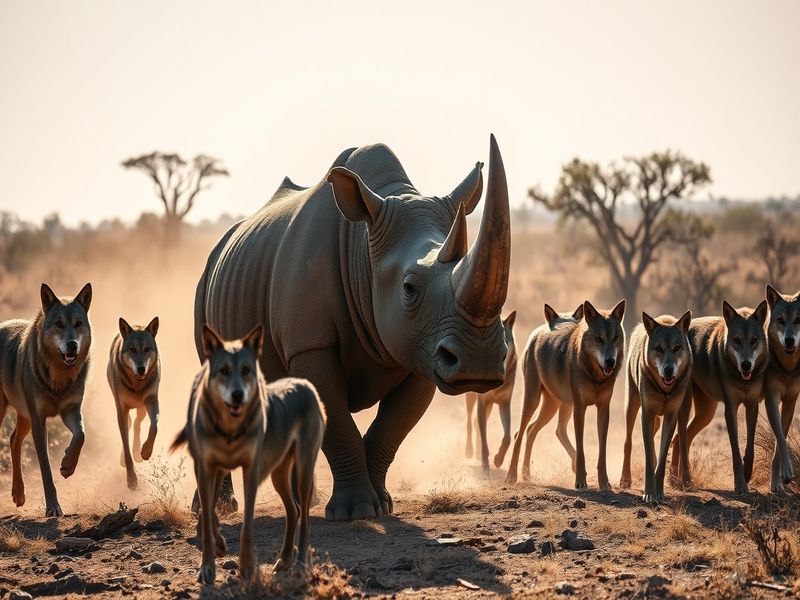
When considering size and strength, rhinos clearly dominate. Their massive bodies and thick skin provide them with formidable protection against predators. In contrast, wolves rely on their agility and teamwork to hunt and defend their territory. This difference in physical attributes highlights the varied survival strategies employed by each species.
Behavior and Social Structure
Wolves are known for their complex social structures, often living in packs that work together to hunt and raise their young. This pack mentality allows them to take down larger prey and establish territory. Their communication skills, including howls and body language, play a critical role in their social interactions.
Rhinos, however, are generally solitary creatures. While some species may form small groups, they primarily prefer to live alone, coming together only for mating. Their interactions are often limited and marked by territorial displays rather than social bonding.
Diet and Feeding Habits
Rhinos are herbivores, primarily grazing on grasses, leaves, and shrubs. Their strong jaws and teeth are adapted to their diet, allowing them to consume tough vegetation. In contrast, wolves are carnivorous and have a diet that consists mainly of large ungulates, such as deer and elk. Their role as apex predators helps maintain the balance of their ecosystems.
Conservation Status
Both rhinos and wolves face significant threats, albeit from different sources. Rhinos are critically endangered, primarily due to poaching for their horns and habitat loss. Conservation efforts are in place to protect these majestic animals, including anti-poaching laws and habitat preservation initiatives.
Wolves, while not endangered in many areas, still face challenges such as habitat destruction and hunting. Their populations have fluctuated due to human intervention, but conservation programs have helped stabilize some wolf populations. Here are some key conservation efforts:
- Protected areas and reserves
- Legal protections against hunting
- Education and awareness programs
- Habitat restoration projects
Conclusion
In conclusion, rhinos and wolves represent two distinct yet vital components of the animal kingdom. Their differences in size, behavior, and conservation status highlight the diverse strategies animals employ for survival. While rhinos stand as symbols of strength and endurance, wolves exemplify the power of social cooperation. Understanding and appreciating these differences is crucial for effective conservation efforts.
For more on wildlife conservation and animal behavior, visit our Science and Nature sections.