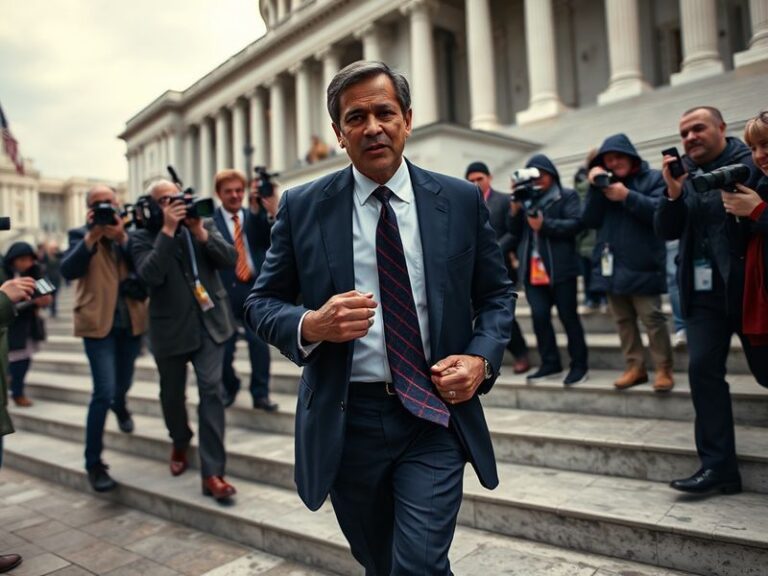
The Complex Legacy of Richard Nixon: Achievements and Scandals
The Complex Legacy of Richard Nixon
Richard Nixon, the 37th President of the United States, remains one of the most controversial figures in American politics. His presidency, marked by significant achievements and profound scandals, offers a lens through which to examine the complexities of leadership and governance. Nixon’s time in office was characterized by a mix of foreign policy milestones and domestic turmoil, ultimately culminating in his resignation amid the Watergate scandal.
Key Achievements and Policies
Nixon’s presidency is often remembered for a series of impactful policies and actions that shaped the nation. Some of his notable achievements include:
- Opening Relations with China: Nixon made history by visiting the People’s Republic of China in 1972, which led to improved diplomatic relations.
- Environmental Initiatives: He established the Environmental Protection Agency (EPA) and enacted legislation like the Clean Air Act.
- Ending the Vietnam War: Nixon’s administration initiated the process of withdrawing American troops from Vietnam, albeit amidst considerable controversy.
- Economic Policies: He implemented wage and price controls to combat inflation, which had mixed results.
These actions demonstrate Nixon’s ability to navigate complex issues, though they were often overshadowed by the controversies that later emerged during his presidency.
The Watergate Scandal
Perhaps the most defining moment of Nixon’s presidency was the Watergate scandal. This political scandal originated from a break-in at the Democratic National Committee headquarters in 1972, which was later linked to Nixon’s campaign. The subsequent cover-up effort revealed a troubling pattern of abuse of power and led to a nationwide investigation.
As details emerged, the implications for American democracy became apparent. Watergate not only led to Nixon’s resignation in 1974 but also instigated a broader distrust in government. The scandal prompted reforms aimed at increasing transparency and accountability in political processes.
Broader Implications of Nixon’s Presidency
Nixon’s legacy is a dual narrative of accomplishment and failure. His foreign policy achievements, particularly with China and the Soviet Union, are often lauded. However, the ethical breaches and the fallout from Watergate have left a lasting impact on American political culture.
The scandal served as a catalyst for change in how citizens perceive their leaders and the institutions of government. It ushered in an era of skepticism towards elected officials, fostering a climate where transparency became paramount. The reforms that followed sought to ensure that such abuses of power would not recur.
Furthermore, Nixon’s presidency raises important questions about the balance between national security and civil liberties. His administration’s tactics during the Vietnam War and the domestic surveillance programs have sparked ongoing debates about governmental overreach.
Conclusion
Richard Nixon’s presidency is a complex tapestry of significant achievements interwoven with profound missteps. His role in shaping modern foreign policy, particularly regarding China and the Soviet Union, cannot be understated. Yet, the shadow of Watergate looms large over his legacy, serving as a cautionary tale about the perils of power unchecked. As the United States continues to grapple with issues of trust in governance, Nixon’s story remains relevant, reminding us of the importance of accountability and integrity in leadership.
For more insights into political history and its implications, explore our Politics and History sections.