<!DOCTYPE html>
<html lang="en">
<head>
    <meta charset="UTF-8">
    <meta name="viewport" content="width=device-width, initial-scale=1.0">
    <title>Autism Awareness Day: Building Understanding Beyond April 2nd</title>
</head>
<body>
    <article>
        <h1>Autism Awareness Day: Building Understanding Beyond April 2nd</h1>

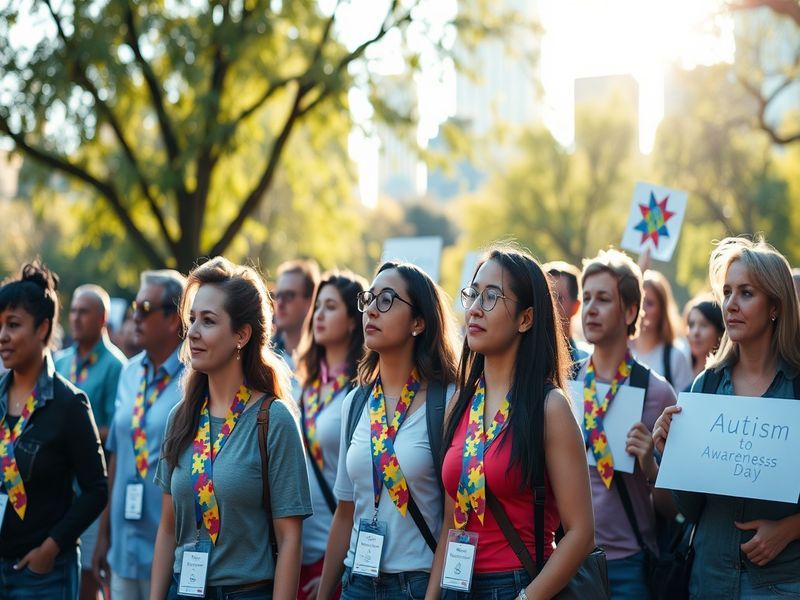
        <p>April 2nd marks World Autism Awareness Day, a date recognized by the United Nations since 2007. The observance aims to shine a light on autism spectrum disorder (ASD) while promoting acceptance and inclusion. However, the conversation around autism extends far beyond a single day. Understanding the complexities of autism requires year-round commitment, from education and workplace integration to healthcare access and community support.</p>

        <p>This year’s theme, "Moving from Surviving to Thriving," emphasizes the importance of shifting focus from mere awareness to meaningful action. It challenges society to move beyond symbolic gestures and address the real needs of autistic individuals and their families. From policy changes to cultural shifts, progress depends on sustained effort rather than temporary awareness campaigns.</p>

        <h2>The Evolution of Autism Awareness</h2>

        <p>Autism awareness has evolved significantly since the first observance in 1984. Initially, discussions centered on raising basic awareness of the condition. Today, the conversation includes neurodiversity, early intervention strategies, and systemic barriers that autistic individuals face. The shift reflects broader changes in how society views disability—not as a deficit to be fixed, but as a natural variation of human neurology.</p>

        <p>Organizations like Autism Speaks and the Autistic Self Advocacy Network (ASAN) have played pivotal roles in this evolution. Autism Speaks, once criticized for its approach, has recently embraced more inclusive messaging. Meanwhile, ASAN, led by autistic individuals, advocates for policies that prioritize self-determination and accessibility. This dual perspective highlights the ongoing debate within the autism community about representation and advocacy.</p>

        <p>One notable change is the move away from fear-based messaging. Early campaigns often portrayed autism as a crisis requiring intervention. Modern efforts focus on celebrating autistic strengths while addressing challenges. This includes highlighting successful autistic professionals, artists, and advocates who contribute meaningfully to society.</p>

        <h2>Workplace Inclusion: A Critical Frontier</h2>

        <p>Employment remains a major area of concern for autistic adults. Despite possessing valuable skills such as attention to detail, pattern recognition, and strong work ethics, many autistic individuals struggle to secure or maintain jobs. Barriers include workplace inflexibility, sensory overload, and unconscious bias during hiring processes.</p>

        <p>Companies like Microsoft, SAP, and Freddie Mac have launched neurodiversity hiring initiatives to tap into this talent pool. These programs provide structured support, such as mentorship and flexible schedules, to help autistic employees thrive. The results speak for themselves: increased retention rates, higher job satisfaction, and innovative problem-solving.</p>

        <p>However, these efforts remain the exception rather than the rule. A 2023 report from Drexel University found that only 22% of autistic adults in the U.S. are employed full-time. The gap underscores the need for systemic change, including employer education and policy reforms that incentivize inclusive hiring practices.</p>

        <p>For those seeking guidance, resources like <a href="https://www.daveslocker.net/health">Dave’s Locker Health section</a> offer insights into navigating workplace challenges and advocating for accommodations.</p>

        <h2>The Role of Education in Supporting Autistic Students</h2>

        <p>School systems continue to grapple with how best to educate autistic children. While inclusion has become a priority, implementation varies widely. Some schools excel with tailored programs, trained staff, and sensory-friendly environments. Others lag behind, relying on outdated methods that isolate rather than integrate.</p>

        <p>Key components of effective education include:</p>

        <ul>
            <li><strong>Individualized Education Programs (IEPs):</strong> Customized plans that address each student’s unique needs, from academic support to social skills training.</li>
            <li><strong>Sensory Considerations:</strong> Adjustments like noise-canceling headphones, quiet spaces, and flexible seating to accommodate sensory sensitivities.</li>
            <li><strong>Social-Emotional Learning:</strong> Programs that teach emotional regulation, peer interaction, and self-advocacy skills.</li>
            <li><strong>Teacher Training:</strong> Professional development focused on autism-specific strategies and de-escalation techniques.</li>
        </ul>

        <p>Parent and advocate groups have pushed for these changes, often filing complaints or lawsuits when schools fail to comply with the Individuals with Disabilities Education Act (IDEA). The legal battles highlight the tension between resource constraints and the right to an appropriate education.</p>

        <p>For parents seeking community support, <a href="https://www.daveslocker.net/education">Dave’s Locker Education section</a> provides articles on navigating school systems and advocating for children.</p>

        <h2>Healthcare Access: Bridging Gaps in Diagnosis and Treatment</h2>

        <p>Access to healthcare remains a persistent challenge for autistic individuals, particularly those without financial means or supportive families. Diagnosis delays, especially for girls and minorities, can stretch into adulthood, delaying access to early intervention services. Once diagnosed, many face barriers to obtaining therapies like speech or occupational therapy due to insurance limitations or long waitlists.</p>

        <p>The shortage of autism specialists exacerbates these issues. In rural areas, families may travel hours for an evaluation or resort to telehealth options, which aren’t always covered by insurance. Even in urban centers, wait times for diagnostic appointments can exceed a year.</p>

        <p>Treatment disparities are another concern. While Applied Behavior Analysis (ABA) is widely available, its effectiveness varies, and some autistic adults criticize it for prioritizing compliance over autonomy. Alternative therapies, such as play-based or relationship-development interventions, are gaining traction but remain less accessible due to cost and availability.</p>

        <p>Policy changes, such as requiring insurance coverage for autism services and expanding training for primary care physicians, could address some of these gaps. Advocacy groups continue to lobby for these reforms, emphasizing that early and comprehensive support leads to better long-term outcomes.</p>

        <h2>Moving Forward: A Call for Collective Action</h2>

        <p>World Autism Awareness Day serves as a reminder that progress requires more than annual observances. It demands sustained effort from policymakers, educators, employers, and communities. The shift from awareness to action must prioritize the voices of autistic individuals, ensuring their needs and perspectives guide policy and practice.</p>

        <p>Small steps matter. Whether it’s advocating for inclusive hiring practices, supporting local autism organizations, or educating oneself about neurodiversity, everyone can contribute. The goal isn’t just to raise awareness but to build a society where autistic individuals are valued, supported, and empowered to thrive.</p>

        <p>For those looking to get involved, consider volunteering with local autism organizations, donating to research initiatives, or simply listening to autistic advocates share their experiences. Change begins with understanding—and understanding begins with listening.</p>
    </article>

    <!-- Metadata Section -->