NASA Names Artemis II Astronauts for Historic Moon Mission
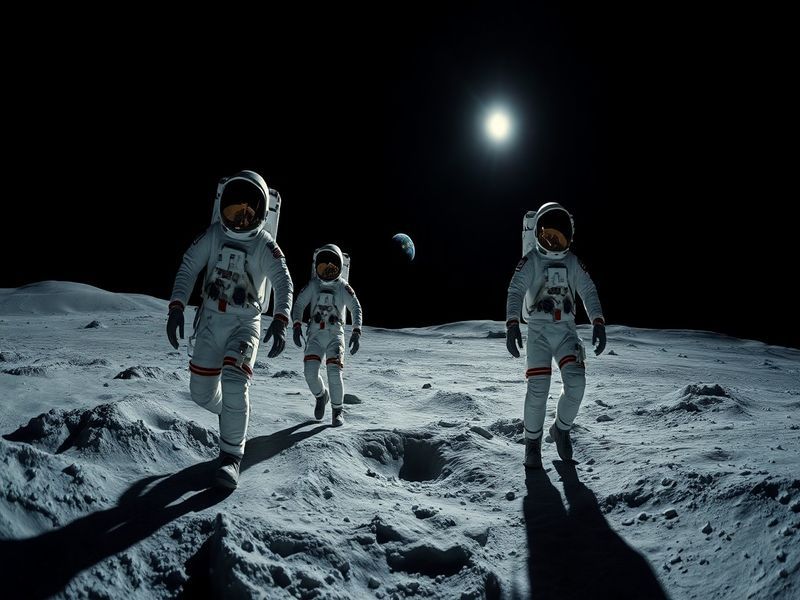
NASA has officially announced the four astronauts who will embark on the Artemis II mission, marking the first crewed journey around the Moon in over five decades. Scheduled for launch no earlier than November 2024, this mission will test the Orion spacecraft’s life-support systems and pave the way for future lunar landings. The crew includes three NASA astronauts and one from the Canadian Space Agency (CSA), representing international collaboration in deep space exploration.
The selection of the Artemis II crew underscores NASA’s commitment to returning humans to the Moon while advancing long-term goals for Mars missions. This mission follows the uncrewed Artemis I test flight in 2022 and sets the stage for Artemis III, which aims to land the first woman and person of color on the lunar surface. The crew’s training and preparation will involve rigorous simulations, health monitoring, and system checks to ensure mission success.
Meet the Artemis II Astronauts: Who Will Fly to the Moon
The Artemis II crew consists of three NASA astronauts and one CSA astronaut, each bringing unique expertise to the mission. Commander Reid Wiseman, a veteran of the International Space Station (ISS), will lead the team. Wiseman previously served as NASA’s Chief Astronaut and has logged over 165 days in space. His leadership will be critical in navigating the challenges of deep space travel.
Pilot Victor Glover will be the first Black astronaut to orbit the Moon, following his historic ISS expedition in 2021. Glover’s experience as a test pilot and engineer makes him a key figure in ensuring the Orion spacecraft’s performance during the mission. His inclusion reflects NASA’s push for diversity in its astronaut corps.
The mission specialists include Christina Koch and Jeremy Hansen. Koch, who holds the record for the longest single spaceflight by a woman, will bring her expertise in electrical engineering and astrophysics. Hansen, a Canadian astronaut and former fighter pilot, will become the first non-American to venture beyond low Earth orbit. Their combined skills will be essential for conducting experiments and operating the spacecraft’s systems.
A Global Collaboration: Canada’s Role in Artemis II
Canada’s participation in Artemis II highlights the country’s growing role in space exploration. The CSA contributed the Canadarm3 robotic system for the Lunar Gateway, a future lunar outpost. Hansen’s selection for Artemis II demonstrates Canada’s investment in human spaceflight and its commitment to international partnerships.
Canada’s involvement also includes ground-based support and scientific contributions. The CSA has developed advanced robotics and life-support technologies that will benefit future Artemis missions. This collaboration strengthens ties between NASA and international partners while advancing shared goals in space exploration.
The Artemis Program: Goals and Challenges Ahead
The Artemis program represents NASA’s most ambitious effort to return humans to the Moon since the Apollo era. Unlike Apollo, which focused solely on landing astronauts on the lunar surface, Artemis aims to establish a sustainable presence through the Lunar Gateway and international cooperation. The program’s objectives include:
- Demonstrating new technologies: Artemis II will test Orion’s life-support systems, radiation shielding, and communication capabilities during its 10-day mission.
- Exploring the lunar south pole: Future Artemis missions will target this region, where water ice and other resources could support long-term human habitation.
- Building the Lunar Gateway: This orbiting outpost will serve as a staging point for lunar landings and deep space missions.
- Inspiring the next generation: The Artemis program aims to engage students and the public in STEM education and space exploration.
Overcoming Technical and Logistical Hurdles
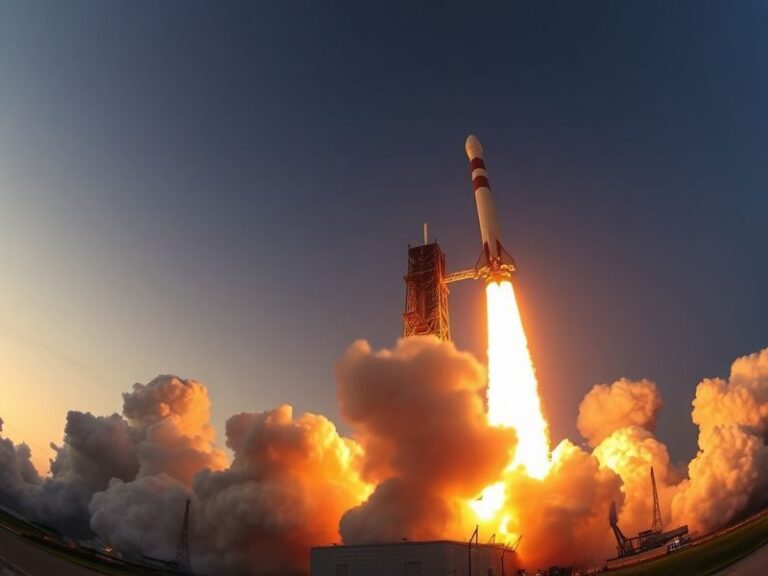
Despite its promise, the Artemis program faces significant challenges. The Space Launch System (SLS) rocket, which will carry Orion to the Moon, has faced delays and cost overruns. NASA has also prioritized safety, ensuring that each mission builds on the lessons learned from previous flights.
Another critical challenge is radiation exposure. Unlike missions in low Earth orbit, Artemis II will pass through the Van Allen belts, where astronauts will encounter higher levels of cosmic radiation. NASA is developing shielding technologies and medical protocols to mitigate these risks.
What’s Next for Artemis II and Beyond
Artemis II is just the beginning of a multi-mission campaign that will culminate in Artemis III, the first crewed lunar landing since 1972. Following Artemis II, NASA plans to launch the Lunar Gateway and additional robotic missions to scout landing sites. The agency is also working with commercial partners, such as SpaceX and Blue Origin, to develop lunar landers and habitats.
For now, the Artemis II crew will focus on training and simulations, preparing for the unique challenges of their mission. Their journey will not only advance scientific knowledge but also inspire a new generation of explorers. As NASA Administrator Bill Nelson stated, “Together, we are going—back to the Moon, and then to Mars.”
To learn more about NASA’s lunar exploration efforts, visit our Science and Technology category pages for the latest updates and analysis.
Conclusion: A New Chapter in Space Exploration
The announcement of the Artemis II crew marks a pivotal moment in space exploration. By returning humans to the Moon, NASA is not only revisiting a historic achievement but also laying the groundwork for future missions to Mars. The collaboration between NASA and international partners, such as Canada, demonstrates the global interest in exploring the cosmos.
The Artemis program also serves as a reminder of the importance of scientific discovery and innovation. From testing cutting-edge technologies to inspiring the next generation of astronauts, Artemis II embodies the spirit of exploration that has defined humanity’s quest to reach beyond Earth. As the crew prepares for their historic journey, the world will watch with anticipation, eager to witness the next giant leap for mankind.