The drive from Querétaro to Toluca offers travelers more than just a change in scenery—it’s a passage through Mexico’s economic dynamism, cultural heritage, and natural contrasts. Covering approximately 300 kilometers, this route connects two of Mexico’s most dynamic cities, each with its own rhythm, history, and identity. Whether you’re traveling for business, leisure, or adventure, the journey between these two urban centers reveals the layers that define modern Mexico.
The trip typically takes around four hours by car, depending on traffic and stops along the way. Querétaro, known for its colonial architecture and thriving manufacturing sector, contrasts sharply with Toluca’s role as a highland capital with strong ties to Mexico’s indigenous past and present. This route isn’t just a straight line on a map; it’s a narrative of Mexico’s evolution, from its colonial roots to its industrial present and ecological future.
The Starting Point: Querétaro’s Colonial Charm and Industrial Might
Querétaro, a UNESCO World Heritage site, serves as the ideal departure point for this journey. The city’s historic center, with its pink-hued buildings and ornate churches, feels like stepping into the 17th century. The aqueduct, a 74-arched marvel built in the 18th century, stands as a testament to the city’s engineering prowess and architectural legacy. Yet, beyond the cobblestone streets lies a city that has become one of Mexico’s most important industrial hubs.
Querétaro is home to major automotive and aerospace manufacturing plants, including facilities for companies like Bombardier and Siemens. The city’s strategic location, just two hours from Mexico City, has made it a magnet for foreign investment. This blend of tradition and modernity is palpable as you leave the city limits. The contrast is striking: colonial facades give way to sprawling industrial parks, where the hum of machinery and the scent of metal signal Mexico’s integration into global supply chains.
Driving north on Federal Highway 57, the landscape begins to shift almost immediately. The flat, urban sprawl of Querétaro gives way to rolling hills and farmland, a reminder of the region’s agricultural roots. Cornfields and maguey plantations dot the countryside, a nod to the state’s pre-Hispanic heritage and ongoing agricultural traditions.
Highway 57: A Scenic Route Through Mexico’s Central Highlands
Federal Highway 57, one of Mexico’s most important north-south corridors, is the primary route for this journey. The highway is well-maintained and offers a mix of fast-moving lanes and slower, scenic routes through rural towns. For those seeking a break from driving, several stops along the way provide insight into local life and traditions.
The first major stop is San Juan del Río, a city known for its wine production and thermal springs. Here, travelers can sample locally produced wines or relax in the hot springs, a tradition dating back to pre-Hispanic times. The town’s central plaza, with its neoclassical church and bustling market, offers a glimpse into the daily life of the region’s inhabitants.
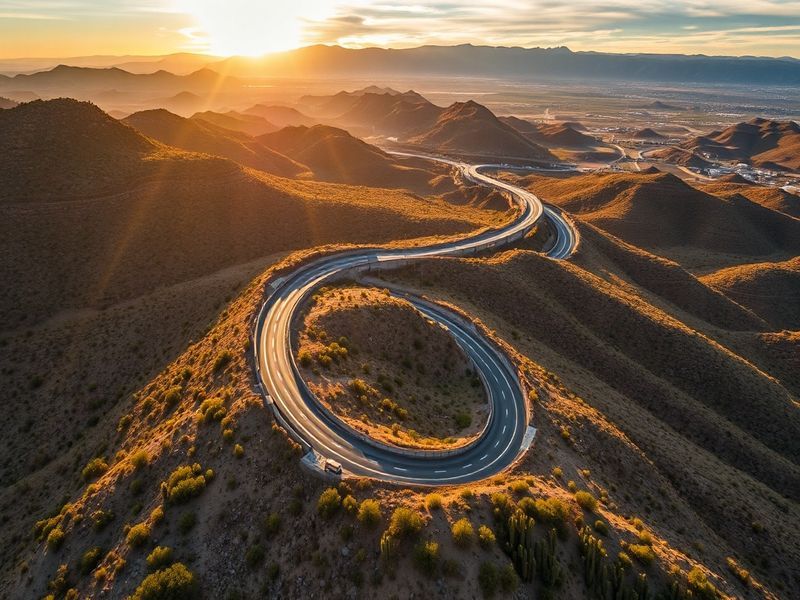
Continuing north, the highway climbs into the highlands, offering sweeping views of the surrounding valleys. The elevation increases noticeably as you approach the state of Mexico, where the terrain becomes more rugged and the air cooler. This part of the journey is ideal for those who appreciate the interplay of geography and culture. The change in altitude also marks a shift in climate, from the semi-arid conditions near Querétaro to the cooler, wetter environment of the Toluca Valley.
One notable landmark along this route is the town of Maravatío, known for its traditional pottery and ceramics. Local artisans still use techniques passed down through generations, creating pieces that are both functional and decorative. A brief stop here can provide a tangible connection to Mexico’s artisanal heritage, far removed from the industrial landscapes left behind in Querétaro.
Arriving in Toluca: The High-Altitude Capital with Indigenous Roots
As the highway descends into the Valley of Toluca, the city comes into view, framed by the snow-capped peaks of the Nevado de Toluca volcano. Toluca, the capital of the State of Mexico, sits at an elevation of 2,680 meters above sea level, making it one of the highest-altitude cities in North America. This highland location gives the city a unique climate—cool and often misty, with temperatures that can drop below freezing at night.
Toluca’s history is deeply intertwined with the indigenous Matlatzinca people, who inhabited the region long before the arrival of the Spanish. The city’s name is derived from the Nahuatl phrase “Tollocan,” meaning “place where the god Toloztli lives.” Today, traces of this heritage can be found in the city’s museums, festivals, and culinary traditions. The Museo de Bellas Artes, for example, houses a collection of pre-Hispanic artifacts alongside contemporary art, illustrating the city’s layered identity.
Unlike Querétaro, Toluca is not a major tourist destination, which adds to its authenticity. The city’s pace is slower, its streets lined with markets selling everything from fresh produce to handwoven textiles. The Mercado Juárez, one of the largest in the region, is a hub of local commerce, where vendors and shoppers haggle over prices in a scene that feels decades removed from the modern urban sprawl of Mexico City.
The city’s culinary scene is another highlight. Toluca is famous for its chorizo, a spiced sausage that differs from its Spanish counterpart in both flavor and preparation. Local eateries serve dishes like “sopa de habas,” a fava bean soup, and “mole de olla,” a hearty stew that reflects the region’s indigenous roots. For those willing to venture beyond the city center, nearby towns like Metepec offer additional culinary delights, including the famous “barbacoa de chivo,” a slow-cooked goat dish.
Beyond the Drive: Exploring Toluca and the Surrounding Region
While the drive from Querétaro to Toluca is an experience in itself, the real rewards lie in exploring what each city—and the region between them—has to offer. For history buffs, the journey provides ample opportunities to explore Mexico’s colonial and pre-Hispanic past. The town of Tula, located just outside Toluca, is home to the archaeological site of Tollan-Xicocotitlan, the capital of the Toltec Empire. The site’s iconic Atlantean statues, towering over the landscape, offer a glimpse into the artistic and military prowess of this ancient civilization.
For nature lovers, the Nevado de Toluca volcano is a must-visit. The volcano, which last erupted in the 13th century, is now a protected natural area. Hiking trails lead to the crater’s edge, where visitors can peer into the remnants of the volcano’s fiery past. The surrounding forests are home to a variety of wildlife, including deer, foxes, and numerous bird species. The volcano’s slopes also provide opportunities for camping, mountain biking, and horseback riding, making it a popular destination for outdoor enthusiasts.
Cultural travelers will find plenty to engage with in the smaller towns along the route. In San Felipe del Progreso, for example, the annual Feria de San Felipe celebrates the town’s indigenous heritage with traditional dances, music, and food. Similarly, the town of Atlacomulco hosts the Feria de la Nuez, a festival dedicated to the local walnut harvest, showcasing the region’s agricultural traditions.
For those interested in Mexico’s industrial landscape, a detour to the city of Toluca’s industrial parks reveals the city’s role as a manufacturing and logistics hub. The city is home to companies in the automotive, pharmaceutical, and food processing sectors, reflecting its strategic location near Mexico City and its well-developed infrastructure.
Practical Tips for the Journey
Traveling between Querétaro and Toluca is straightforward, but a few tips can enhance the experience:
- Best Time to Travel: The route is most pleasant between October and April, when temperatures are mild and rainfall is minimal. Avoid traveling during the summer months, as heavy rains can make parts of the highway hazardous.
- Transportation Options: While driving is the most flexible option, buses like ETN and Primera Plus offer comfortable and affordable service between the two cities. The journey takes slightly longer by bus due to stops, but it eliminates the stress of navigating unfamiliar roads.
- Must-Try Foods: Along the route, look for local specialties such as “gorditas de haba” (fava bean cakes) in San Juan del Río or “pulque” (a fermented agave drink) in towns like Maravatío. In Toluca, don’t miss the opportunity to try chorizo and mole de olla.
- Safety Considerations: The Federal Highway 57 is generally safe, but travelers should remain vigilant, especially at night. Stick to well-lit areas and avoid leaving valuables visible in your vehicle.
Why This Journey Matters
The drive from Querétaro to Toluca is more than a simple road trip; it’s a passage through the heart of central Mexico, where history, culture, and modernity intersect. It offers a microcosm of Mexico’s diversity, from the colonial elegance of Querétaro to the indigenous roots and industrial energy of Toluca. For travelers willing to look beyond the surface, the journey reveals the complexities and contradictions that define modern Mexico.
Whether you’re drawn by the allure of colonial architecture, the thrill of highland adventures, or the promise of authentic local cuisine, this route delivers. It’s a reminder that Mexico’s beauty lies not just in its destinations, but in the stories that unfold along the way.