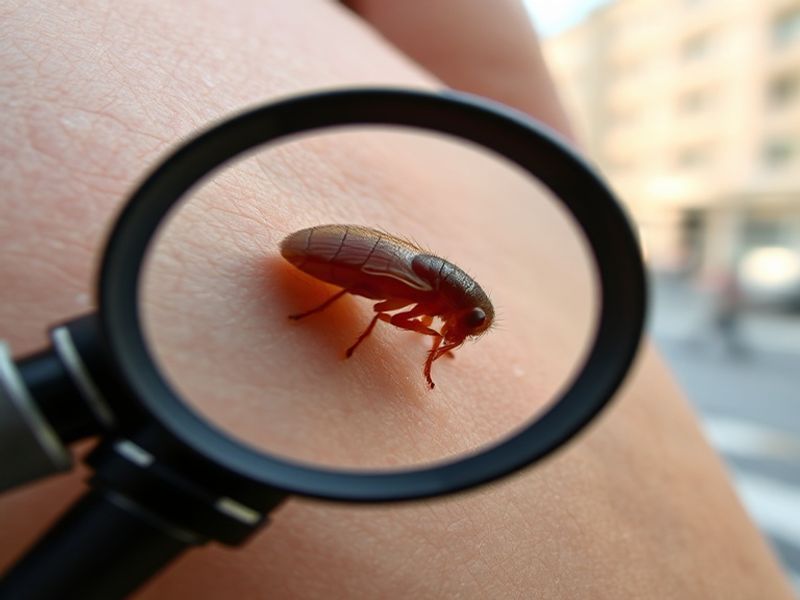
Flea-borne typhus, also known as murine typhus, is a bacterial infection transmitted primarily by fleas. While once considered a disease of the past, it has resurged in recent years, affecting communities across the globe. The illness is caused by Rickettsia typhi and, less commonly, Rickettsia felis, both of which thrive in environments where rodents and their fleas are prevalent.
Unlike more widely discussed tropical diseases, flea-borne typhus often flies under the radar. Yet, its impact is significant, particularly in urban and subtropical regions where sanitation and pest control lag behind. Public health experts warn that climate change, urban sprawl, and inadequate waste management are fueling its spread. Understanding this disease is crucial for prevention and control.
The Resurgence of an Old Disease
Historically, flea-borne typhus was a common affliction in wartime and post-war periods when sanitation was poor. The disease faded from public consciousness as living standards improved and modern medicine advanced. However, the 21st century has seen a troubling resurgence in both developed and developing nations.
In the United States, for example, cases have surged in Texas, California, and Hawaii. Texas alone reported over 200 cases in 2022, a stark increase from previous decades. Similarly, in Europe, sporadic outbreaks have occurred in Spain, Greece, and Cyprus, often linked to rat infestations in urban areas. Meanwhile, in Southeast Asia and parts of Africa, flea-borne typhus remains endemic, particularly in regions with high poverty rates and limited healthcare access.
This resurgence is not merely a historical echo. It reflects broader shifts in ecology and urbanization. As cities expand into natural habitats, rodents—and their fleas—find new opportunities to thrive. Warmer temperatures due to climate change further accelerate the life cycles of both fleas and bacteria, creating ideal conditions for transmission.
How Flea-Borne Typhus Spreads
Flea-borne typhus is not spread person-to-person. Instead, it relies on a complex cycle involving rats, opossums, cats, and their fleas. Humans become accidental hosts when infected flea feces contaminate scratches, bites, or mucous membranes.
The transmission cycle typically unfolds as follows:
- Rodents, such as rats, carry Rickettsia typhi in their bloodstream.
- Fleas feeding on infected rodents ingest the bacteria.
- The bacteria multiply within the flea’s gut, eventually being excreted in its feces.
- When the flea defecates on a human or surfaces like bedding, soil, or pet fur, the bacteria can enter the body through skin abrasions or inhalation.
Cats and opossums also play a role, particularly in urban environments. Opossums, often seen as pests, can carry infected fleas into residential areas. Domestic pets, especially outdoor cats, may bring fleas indoors, increasing human exposure. Poor sanitation, such as piles of debris or unsecured trash, exacerbates the problem by attracting rodents.
Symptoms and Diagnosis: Why It’s Often Missed
Flea-borne typhus presents symptoms that are easily mistaken for other illnesses, such as flu, dengue, or COVID-19. This diagnostic ambiguity contributes to underreporting and delayed treatment. Common symptoms include:
- High fever and chills
- Severe headache
- Muscle and joint pain
- Rash, which typically appears 3–5 days after fever onset
- Nausea, vomiting, or abdominal pain
- Confusion or neurological symptoms in severe cases
Without early intervention, the disease can progress to organ failure, particularly affecting the liver, kidneys, and lungs. Mortality rates hover around 1–4% in treated cases but can exceed 10% if left untreated. Diagnosis is challenging because laboratory tests often require specialized facilities. Blood tests may detect antibodies, but these can take weeks to appear, delaying confirmation.
In regions with limited healthcare infrastructure, such as parts of Mexico, India, or the Philippines, flea-borne typhus is frequently misdiagnosed. Patients may receive antibiotics for unrelated conditions, while the underlying infection goes untreated. Public health campaigns emphasizing awareness and rapid diagnostic tools are urgently needed.
A Global Perspective: Where Is Flea-Borne Typhus Most Prevalent?
Flea-borne typhus is not confined to any single region. Its presence is shaped by climate, rodent populations, and human behavior. Here’s a snapshot of its global distribution:
North America
The United States has seen a steady rise in cases, particularly in Southern California and Texas. Los Angeles County reported over 100 cases in 2021, a record high. The disease is also present in Hawaii, where it has been linked to rat infestations in residential areas. In Mexico, flea-borne typhus is endemic, with outbreaks often tied to poverty and inadequate sanitation.
Europe
While less common, flea-borne typhus has been detected in Southern Europe. Spain and Greece have reported sporadic cases, often associated with rat infestations in ports and urban centers. The disease is also present in the Balkans, where war and displacement have disrupted public health systems.
Asia and the Pacific
In Southeast Asia, flea-borne typhus is a persistent problem. Countries like Vietnam, Thailand, and the Philippines report cases annually, particularly in rural and impoverished communities. Australia has also recorded outbreaks, often linked to feral cat populations and their fleas.
Africa
Flea-borne typhus is endemic in parts of North and East Africa, including Egypt, Kenya, and South Africa. In these regions, it is often overshadowed by more high-profile diseases like malaria or cholera. However, its impact on vulnerable populations is significant, particularly in refugee camps and urban slums.
Prevention and Control: What Can Be Done?
Controlling flea-borne typhus requires a multi-faceted approach, combining public health measures, community engagement, and environmental management. Here are key strategies:
- Rodent and Flea Control: Regular pest control in urban and residential areas is critical. This includes securing trash bins, removing debris, and using rodenticides or traps. Pet owners should ensure their animals are treated with flea prevention medication.
- Public Awareness: Many people remain unaware of flea-borne typhus and its risks. Education campaigns should emphasize the importance of hygiene, flea control, and seeking medical attention for persistent fever or rash.
- Improved Diagnostics: Faster, more accessible diagnostic tools are needed to reduce misdiagnosis. Point-of-care tests and training for healthcare workers can improve early detection.
- Climate Adaptation: As global temperatures rise, flea populations may expand into new regions. Public health systems must adapt by monitoring high-risk areas and implementing targeted interventions.
Innovative solutions are also emerging. In Los Angeles, for example, local health departments have partnered with community organizations to trap and test rodents for Rickettsia typhi. This data helps identify hotspots and prioritize interventions. Similarly, in Vietnam, researchers are exploring the use of probiotics in rat populations to reduce bacterial transmission—a novel approach to breaking the cycle.
The Human Cost: Stories from the Frontlines
Behind the statistics are real people whose lives have been upended by flea-borne typhus. In Houston, Texas, a 45-year-old construction worker spent weeks battling fever, headaches, and confusion before doctors diagnosed him with the disease. His case highlights the delays in diagnosis that many patients face.
In Manila, Philippines, a mother of three described how her youngest child, a toddler, fell ill with a high fever and rash. After multiple visits to local clinics, she was finally treated with doxycycline, the antibiotic of choice for flea-borne typhus. The child recovered, but the family’s struggle underscores the need for better healthcare access in low-income communities.
These stories are a reminder that flea-borne typhus is more than a medical issue—it is a social and economic challenge. Poverty, poor sanitation, and lack of education create the perfect storm for its spread. Addressing the disease requires not only medical solutions but also systemic changes to improve living conditions.
Looking Ahead: Can We Stop the Spread?
Flea-borne typhus is a disease of paradoxes. It is both ancient and modern, easily preventable yet often overlooked. Its resurgence is a warning sign of broader environmental and public health challenges. Yet, it also presents an opportunity to rethink how we manage urban spaces, pest control, and healthcare access.
Success will depend on collaboration. Governments, healthcare providers, and communities must work together to implement prevention strategies. Research into diagnostics, vaccines, and innovative control methods is also critical. With concerted effort, flea-borne typhus can be contained—but complacency will only allow it to spread further.
For now, the best defense remains vigilance. Recognizing the symptoms, practicing good hygiene, and controlling flea populations are simple yet effective steps. As climate change and urbanization continue to reshape our world, diseases like flea-borne typhus will test our ability to adapt. The question is not whether we can stop it, but how quickly we act.