How Alaska Air Built Trust in the Skies and Became a Global Travel Leader
“`html
Alaska Air: How an American Airline Became a Global Case Study in Customer-Centric Travel
Alaska Air Group, parent company of Alaska Airlines and Horizon Air, has quietly evolved from a regional carrier into one of the most respected airlines in North America. Known for its customer-friendly policies, operational reliability, and strong brand loyalty, the airline has become a model for how legacy carriers can adapt in an era of budget airlines and digital transformation.
Its success is not just about flights—it’s about a philosophy that prioritizes passengers over profits at critical moments. In a competitive industry where delays and cancellations often make headlines, Alaska Air has built a reputation for handling disruptions with transparency and care, earning trust across generations of travelers.
The Rise of Alaska Air: From Seattle Roots to National Presence
Founded in 1932 as McGee Airways in Anchorage, Alaska, the airline began as a bush carrier serving remote Alaskan villages. By the 1970s, it had expanded into the continental U.S. under the name Alaska Airlines, focusing on routes between the West Coast and destinations like Hawaii and Mexico.
The airline’s growth accelerated in the 2000s through strategic acquisitions, including the 2011 purchase of Horizon Air and the 2016 merger with Virgin America. This latter move was particularly transformative. While many expected the integration to disrupt service, Alaska Air managed the transition with minimal turbulence, preserving Virgin America’s modern fleet and customer-focused amenities under a single brand.
Today, Alaska Air operates over 1,300 daily flights to more than 120 destinations, from Los Angeles to Anchorage, and from New York to Mexico City. Its network reflects a unique blend of West Coast connectivity and international reach, positioning it as a bridge between North American urban centers and global tourism hubs.
A Fleet Built for Efficiency and Passenger Comfort
One of Alaska Air’s defining features is its fleet strategy. Unlike many competitors that rely on a mix of aging and new aircraft, Alaska Air has maintained a relatively young fleet, with an average aircraft age of just over 8 years—among the lowest in the industry. This allows for better fuel efficiency, lower maintenance costs, and a quieter, more comfortable ride for passengers.
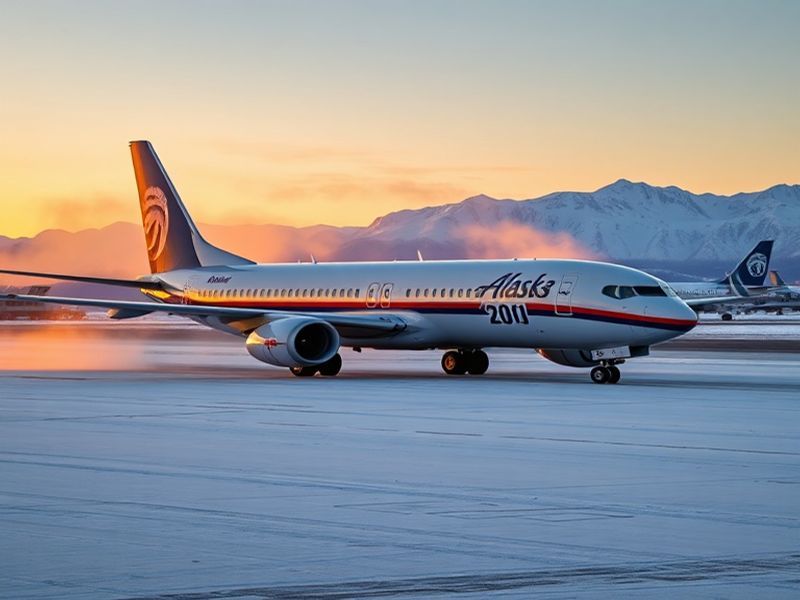
The airline’s focus on Boeing 737s (including the MAX 9) and Embraer E175s ensures standardization in training, maintenance, and operations. It also simplifies fleet management, a key factor in maintaining on-time performance. In 2023, Alaska Air achieved a 79.9% on-time performance rate, placing it near the top of U.S. carriers—a remarkable feat given the operational challenges of modern air travel.
Additionally, Alaska Air was an early adopter of satellite-based Wi-Fi through partnerships with Gogo and later ViaSat, offering high-speed internet on most flights. This investment in connectivity reflects a broader trend: airlines are no longer just transport providers—they’re digital service platforms in the sky.
Customer Service as a Competitive Advantage
In an industry often criticized for nickel-and-diming passengers, Alaska Air has carved a niche by prioritizing customer experience. Its policies—like free checked bags for Alaska Airlines Visa cardholders, no change fees on most tickets, and generous compensation for delays caused by the airline—set it apart from competitors like Delta or United.
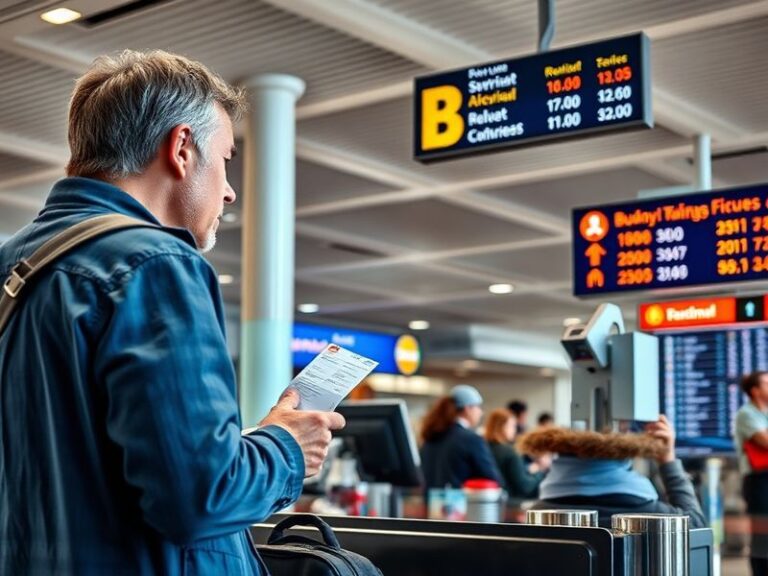
During the 2023 holiday travel crisis, when major U.S. airlines canceled thousands of flights due to staffing shortages and weather, Alaska Air stood out for its transparency. The airline posted real-time updates, proactively rebooked passengers, and issued travel vouchers for significant disruptions. This approach wasn’t just good PR—it reinforced long-term loyalty in an era when travelers increasingly vote with their wallets.
Alaska Air’s loyalty program, Mileage Plan, is also highly regarded. With no blackout dates, flexible redemption options, and a straightforward earning structure, it consistently ranks among the best airline rewards programs in North America. Unlike some programs that feel like corporate gimmicks, Mileage Plan delivers tangible value, which helps explain why 40% of the airline’s revenue now comes from loyalty members.
The Human Touch in a Digital World
Despite the rise of automation and AI-driven customer service, Alaska Air has preserved a human element in its operations. Flight attendants are trained not just in safety protocols, but in hospitality—offering warm greetings, helping with boarding, and even engaging with passengers in small, personal ways. This approach reflects the airline’s Pacific Northwest roots, where friendliness is part of the cultural identity.
In 2020, as airlines cut routes and furloughed staff, Alaska Air took a different path. It maintained most of its workforce and even launched new routes, betting on recovery before competitors. This decision wasn’t just financially prudent—it reinforced its reputation as a responsible employer and a reliable partner to both customers and employees.
Cultural Impact and Global Lessons
Alaska Air’s story offers more than just business insights—it carries cultural significance. In a world where airlines are often seen as faceless corporations, Alaska Air has cultivated a brand that feels personal, ethical, and resilient. Its approach to customer service aligns with broader societal shifts toward transparency and authenticity in corporate behavior.
Globally, airlines like Singapore Airlines and ANA have long prioritized service quality, but Alaska Air proves that excellence isn’t exclusive to luxury carriers. By focusing on consistency, clarity, and compassion, it has shown that even mid-tier airlines can compete on experience, not just price.
In Europe, where budget airlines dominate, Alaska Air’s model serves as a counterpoint. While Ryanair and EasyJet thrive on low fares and minimal frills, Alaska Air demonstrates that passengers are willing to pay a premium for reliability and respect. This balance between affordability and quality may become increasingly relevant as global travel continues to rebound post-pandemic.
Sustainability and the Future of Flight
Alaska Air has also taken steps toward sustainability, a growing priority in the aviation industry. In 2022, it committed to achieving net-zero carbon emissions by 2040, one of the most ambitious targets in the industry. The airline is investing in sustainable aviation fuel (SAF), fleet renewal, and operational efficiencies to reduce its environmental footprint.
Its partnership with Washington State to develop a regional SAF supply chain highlights how airlines can collaborate with governments and energy companies to drive change. While critics argue these efforts are not yet sufficient, Alaska Air’s proactive stance positions it as a leader in an industry under pressure to decarbonize.
Looking ahead, Alaska Air is expanding its international footprint, adding routes to Asia and Europe. Its recent partnership with American Airlines further strengthens its global reach, allowing passengers to book seamless connections across both networks. This strategic move reflects a broader trend: alliances are becoming essential as airlines seek to serve an increasingly interconnected world.
Why Alaska Air Matters Beyond the Skies
Alaska Air’s journey from a regional carrier to a national leader is more than a business success story—it’s a cultural artifact. It reflects the values of the Pacific Northwest: pragmatism, community, and quiet excellence. In an era of disruption, it offers a model of how companies can grow without losing their soul.
The airline’s emphasis on transparency during crises, its loyalty to employees, and its commitment to passenger dignity set a standard that other industries could emulate. In a world where trust in corporations is often low, Alaska Air’s consistency and integrity stand out.
As global travel continues to evolve, Alaska Air’s approach—balancing innovation with tradition, efficiency with empathy—may prove to be one of the most sustainable models in aviation. It reminds us that in a crowded marketplace, the best way to stand out isn’t just by offering a better product, but by being a better company.
In the end, Alaska Air isn’t just an airline. It’s a testament to the idea that success in business doesn’t require sacrificing humanity—it can be built on it.