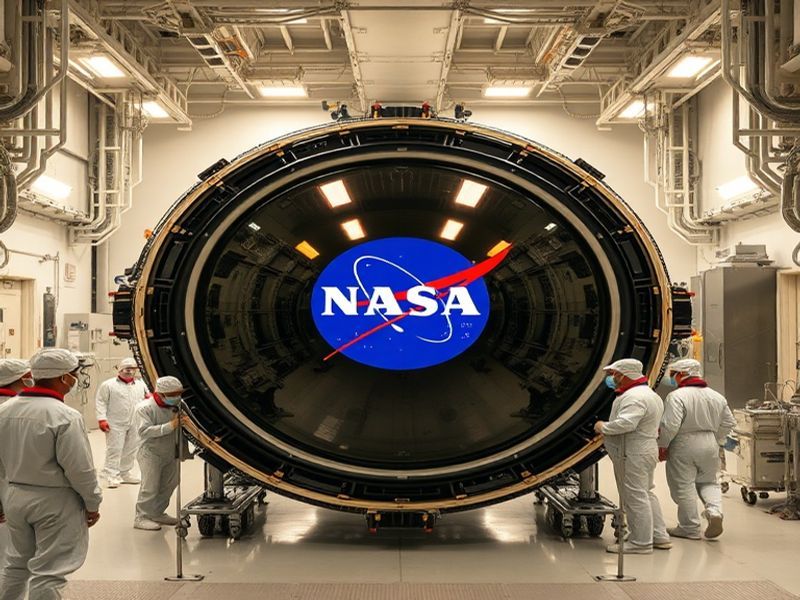
Artemis 2 Pictures: Documenting Humanity’s Return to the Moon
The Artemis 2 mission marks humanity’s first crewed lunar flyby in over five decades, and the images captured during this historic journey are already becoming iconic. These photographs do more than document technical milestones—they represent a cultural shift in how we perceive space exploration. From the gleaming Orion spacecraft against the Earth’s horizon to candid moments of the crew training, each image tells a story of ambition, precision, and human ingenuity.
The mission’s visual documentation serves multiple purposes. For scientists and engineers, the images validate years of calculations and design choices. For the public, they make abstract concepts tangible, transforming rocket launches and orbital mechanics into relatable experiences. This dual role underscores why the Artemis 2 pictures resonate across different audiences, bridging the gap between technical achievement and cultural significance.
The Crew in Focus: Humanizing Spaceflight
The four astronauts selected for Artemis 2—three from NASA and one from the Canadian Space Agency—have become the public faces of this mission. High-resolution portraits of the crew, taken both during training and in flight simulations, reveal the intense preparation behind the scenes. These images often show the astronauts in pressure suits, their reflections in visors capturing the weight of their responsibility.
One particularly striking photograph features the crew during a water survival training exercise. The contrast between the bright orange suits and the deep blue ocean emphasizes both the danger and the precision of their mission. Such images humanize the astronauts, reminding viewers that behind every technical achievement stands a team of dedicated individuals.
- Commander Reid Wiseman: Known for his previous ISS mission, Wiseman’s experience is evident in the confident posture captured in training photos.
- Pilot Victor Glover: The first Black astronaut assigned to a lunar mission, Glover’s images often highlight moments of quiet reflection during simulations.
- Mission Specialist Christina Koch: With the most cumulative spacewalk time of any woman, Koch’s photos frequently show her in technical discussions with engineers.
- Canadian Astronaut Jeremy Hansen: As the first non-American to join a lunar mission, Hansen’s images often include interactions with international partners, symbolizing global collaboration.
The Spacecraft Through the Lens: Engineering Meets Artistry
The Orion spacecraft, with its distinctive conical shape and solar panel wings, has been meticulously photographed from every angle. These images serve both practical and aesthetic purposes. Engineers analyze them for any signs of micrometeoroid damage or thermal protection system degradation. Meanwhile, artists and enthusiasts admire the sleek design, which evokes both retro-futurism and cutting-edge innovation.
One of the most anticipated images will be the “Earthrise” shot—a recreation of the iconic Apollo 8 photograph, but with modern technology. The Orion’s advanced camera systems promise higher resolution and dynamic range, allowing for unprecedented detail in capturing our planet suspended in the void. Such images do more than document; they inspire, reinforcing humanity’s place in the cosmos.
Global Perspectives: How Different Cultures View Artemis 2
While NASA leads the Artemis program, international partners contribute significantly to its success. Images from the European Space Agency, which provides the service module for Orion, show technicians from across Europe collaborating on critical components. Similarly, Japan’s contributions to the Gateway lunar station are documented in photos highlighting cross-cultural technical exchanges.
In countries like India and China, where space programs have grown rapidly, Artemis 2 is often seen as both a challenge and an opportunity. Media outlets in these regions frequently juxtapose Artemis images with their own lunar ambitions, creating a visual dialogue between different nations’ spacefaring visions. This global perspective enriches the narrative surrounding Artemis 2, transforming it from a singular achievement into a shared human endeavor.
The Role of Social Media in Disseminating Artemis 2 Pictures
Social media platforms have become the primary venues for sharing and discussing Artemis 2 imagery. NASA’s official accounts, as well as those of the astronauts, regularly post high-resolution photographs, behind-the-scenes shots, and even raw video footage. These posts generate millions of interactions, with users from all over the world commenting, sharing, and creating their own interpretations of the images.
One viral trend involved artists reimagining NASA’s official photographs with different color palettes or artistic styles. These creative reinterpretations demonstrate how space imagery transcends its original purpose, becoming a canvas for global creativity. Meanwhile, memes and parody accounts use Artemis pictures to comment on everything from climate change to geopolitical tensions, showing the diverse ways people engage with space exploration.
For those interested in the intersection of space exploration and popular culture, our entertainment section often explores how missions like Artemis 2 influence films, music, and literature. The visual language of spaceflight has seeped into mainstream media, with Artemis 2 pictures serving as both inspiration and reference for creators worldwide.
Why These Images Matter Beyond the Mission
The legacy of Artemis 2 will extend far beyond its 10-day mission. The photographs taken during this journey will become part of the visual archive of human achievement, studied by future generations alongside the images from Apollo. They will serve as educational tools, marketing assets for space agencies, and symbols of what humanity can accomplish when it unites around a common goal.
Moreover, these images play a crucial role in maintaining public interest in space exploration. In an era where skepticism about large-scale projects is common, the visual documentation of Artemis 2 provides tangible proof of progress. Each photograph, whether it captures a technical detail or a human moment, reinforces the idea that space is not just a frontier for robots and satellites—it is a place for people.
As the mission progresses, the world will watch not just through official channels but through the eyes of artists, educators, and enthusiasts who reinterpret these images in countless ways. The Artemis 2 pictures are more than documentation; they are a new chapter in humanity’s visual story of exploration.
Explore more about space exploration and its cultural impact in our Science and Culture sections.