How Marine Traffic Powers the Global Economy
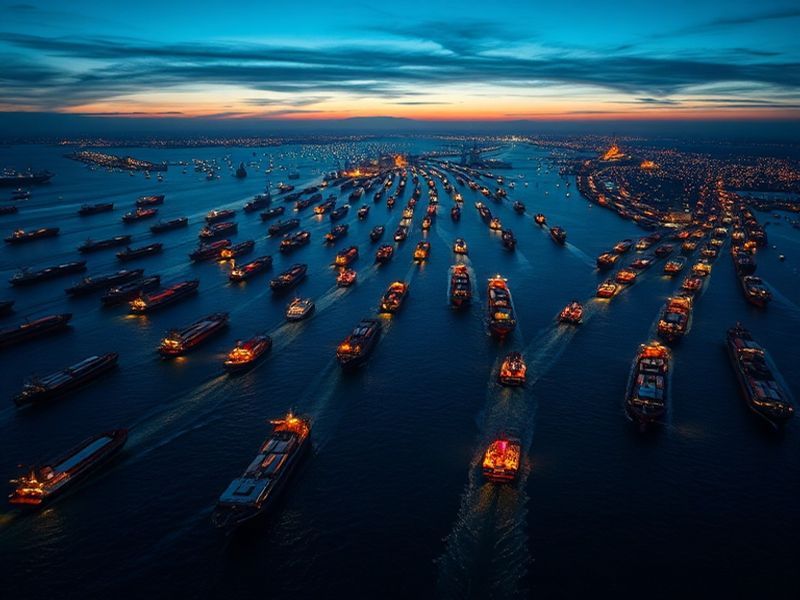
Every year, more than 11 billion tons of goods traverse the world’s oceans, moving through invisible highways invisible to most people on land. These routes, collectively known as marine traffic, form the backbone of international trade, connecting ports from Shanghai to Rotterdam, Los Angeles to Hamburg. Without these maritime pathways, the global supply chain would collapse, and the shelves of supermarkets, warehouses, and stores would empty within weeks.
The sheer scale of marine traffic is staggering. Over 90% of the world’s trade is carried by sea, according to the United Nations Conference on Trade and Development. More than 50,000 merchant ships—ranging from massive container vessels to oil tankers and bulk carriers—are in constant motion. These ships are guided by an intricate network of shipping lanes, regulated by international treaties and monitored by advanced tracking systems.
One of the most critical aspects of marine traffic is its role in sustaining economies. Developing nations often rely on maritime trade to export raw materials and import essential goods. For example, countries in Southeast Asia depend on shipping lanes that pass through the South China Sea, which handles a third of global maritime trade. Disruptions in these routes—whether due to piracy, geopolitical tensions, or natural disasters—can send economic ripples across continents.
The Technology Behind Tracking Marine Traffic
Modern marine traffic wouldn’t be possible without advanced technology. The most critical tool is the Automatic Identification System (AIS), a tracking system that broadcasts a ship’s location, speed, and destination in real time. AIS data is publicly accessible, allowing anyone to monitor marine traffic through platforms like MarineTraffic or VesselFinder.
This transparency has transformed the industry. Port authorities use AIS to manage congestion, while shipping companies optimize routes to save fuel and reduce delays. Environmental groups track illegal fishing vessels, and researchers study shipping emissions to assess their impact on climate change. The technology has also exposed vulnerabilities, such as the overcrowding of major shipping lanes like the Strait of Malacca, where more than 80,000 vessels pass annually.
Beyond AIS, satellite imaging and AI-driven analytics are becoming increasingly important. Companies like Saildrone deploy autonomous vehicles to monitor remote areas, while AI models predict traffic patterns to prevent collisions. These innovations are turning marine traffic from a chaotic web of movements into a predictable, manageable system.
The Cultural and Environmental Impact of Marine Traffic
Marine traffic isn’t just an economic force; it shapes cultures and environments in profound ways. Coastal communities often revolve around ports, with traditions, festivals, and even cuisines tied to maritime trade. In cities like Rotterdam, Hamburg, and Singapore, shipping hubs have become cultural landmarks, attracting tourists and fostering industries like shipbuilding and logistics.
Yet, the environmental cost of marine traffic is undeniable. Ships account for nearly 3% of global greenhouse gas emissions, a figure that could rise as trade volumes grow. The industry is under pressure to adopt cleaner fuels, with the International Maritime Organization (IMO) targeting a 50% reduction in emissions by 2050. Some companies are experimenting with hydrogen-powered vessels, while others retrofit ships with scrubbers to reduce sulfur emissions.
Noise pollution is another concern. The constant hum of engines and sonar disrupts marine life, particularly whales and dolphins that rely on sound for navigation. In the Pacific Northwest, conservationists have documented how shipping noise interferes with orcas’ ability to communicate and hunt. Efforts to mitigate this include slower speed zones in critical habitats and quieter propeller designs.
Challenges and Future of Marine Traffic
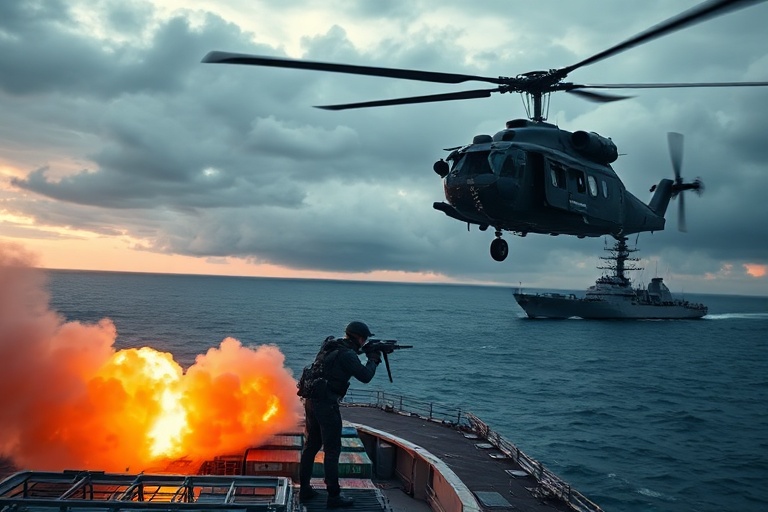
The future of marine traffic faces both opportunities and obstacles. Geopolitical tensions, such as those in the South China Sea or the Red Sea, threaten to disrupt key shipping lanes. Piracy remains a persistent issue, particularly in the Gulf of Aden, where armed guards and naval patrols are sometimes necessary. Climate change adds another layer of complexity, with rising sea levels and stronger storms altering trade routes.
Despite these challenges, the industry is evolving. The rise of Arctic shipping routes, made possible by melting ice caps, offers a potential shortcut between Europe and Asia. The Northeast Passage, for instance, could cut travel time by up to 40% compared to traditional routes through the Suez Canal. However, this also raises concerns about ecological damage in fragile Arctic ecosystems.
Another trend is the growth of mega-ships—vessels capable of carrying over 20,000 containers. While these giants improve efficiency, they also strain port infrastructure and increase the risk of congestion. The grounding of the Ever Given in the Suez Canal in 2021, which blocked the waterway for six days, highlighted the vulnerabilities of relying on such massive vessels.
To address these issues, the industry is exploring several solutions:
- Automation: Autonomous ships, though still in early stages, could reduce human error and labor costs. Companies like Rolls-Royce and Yara are testing unmanned cargo vessels.
- Alternative fuels: Liquefied natural gas (LNG), hydrogen, and even nuclear propulsion are being considered to replace traditional bunker fuel.
- Port modernization: Smart ports equipped with IoT sensors and AI-driven logistics are being developed to handle increasing cargo volumes efficiently.
- Regulatory reforms: Stricter IMO regulations aim to phase out older, polluting ships and incentivize cleaner technologies.
Conclusion: The Unseen Pulse of Global Trade
Marine traffic is the invisible engine of the global economy, a vast and complex network that most people never see but all rely on. From the bustling ports of Asia to the quiet Arctic passages, it shapes economies, cultures, and environments in ways both profound and subtle. As technology advances and challenges mount, the industry must adapt to ensure that these maritime highways remain sustainable and resilient.
The future of marine traffic will depend on collaboration—between governments, shipping companies, environmental groups, and technology providers. Only by addressing the environmental, economic, and geopolitical challenges can we ensure that the world’s trade routes continue to thrive without compromising the planet’s health or the livelihoods of those who depend on them.
For more insights into global trade and technology, explore our Analysis and Technology sections.