Nestled in the southwest corner of Germany, SC Freiburg has long stood as an underdog in the Bundesliga. While giants like Bayern Munich and Borussia Dortmund dominate headlines, Freiburg has carved out a reputation as football’s most sustainable alternative—a club that thrives on smart development, tactical innovation, and community values. Their ascent from regional obscurity to a consistent top-flight contender offers more than just sporting intrigue; it presents a blueprint for how clubs can succeed without vast financial resources.
This is the story of a club that has redefined what it means to compete in modern football. Freiburg’s journey is not just about results on the pitch. It reflects a philosophy that prioritizes stability, youth development, and fan engagement over short-term wins. In an era dominated by financial doping and superclubs, their model stands out as a rare success story built on principles rather than petrodollars.
The Freiburg Philosophy: Development Over Dollars
At the heart of Freiburg’s success is their world-class academy, widely regarded as one of the best in Germany. Unlike clubs that rely on expensive transfers, Freiburg invests heavily in nurturing local talent. Their youth system has produced players like Christian Günter, Philipp Lienhart, and Vincenzo Grifo—athletes who have become the backbone of the first team and even earned national team recognition.
The club’s commitment to homegrown talent is not just a financial strategy; it’s a cultural identity. The Breisgau region has a strong football tradition, and Freiburg’s academy serves as both a talent pipeline and a community hub. Players who graduate from the youth system often stay for their entire careers, creating a deep sense of loyalty and continuity.
This approach has allowed Freiburg to maintain a lean budget while still competing at the highest level. In the 2022–23 season, their player wages were among the lowest in the Bundesliga—yet they secured a 5th-place finish and qualified for the UEFA Europa League. That achievement underscores a powerful truth: in football, as in business, sustainable growth beats speculative spending.
Key Principles of Freiburg’s Model
- Long-term planning: Transfers are rare and carefully selected, with a focus on players under 25 who fit the club’s system.
- Tactical flexibility: Freiburg has adapted to modern pressing systems while maintaining a distinct identity built on possession and structure.
- Community integration: The club operates as a cooperative (e.V.), meaning fans hold significant ownership and influence over decisions.
- Smart scouting: Rather than chasing big names, Freiburg targets undervalued players from lower leagues across Europe.
From Regional Roots to European Ambitions
Freiburg’s story begins long before their current success. Founded in 1904, the club spent decades in the lower divisions, finally reaching the Bundesliga in 1993. That initial promotion marked the start of a rollercoaster ride—promotions, relegations, and near-misses became part of the club’s DNA. But under the leadership of coaches like Volker Finke (1991–2007) and later Christian Streich (since 2011), Freiburg began to build something sustainable.
Streich, a former Freiburg player turned manager, embodies the club’s ethos. Known for his calm demeanor and tactical acumen, he has overseen a period of unprecedented stability. Since taking charge in 2011, he has led the club to eight top-half finishes in nine seasons—a record matched by few in European football.
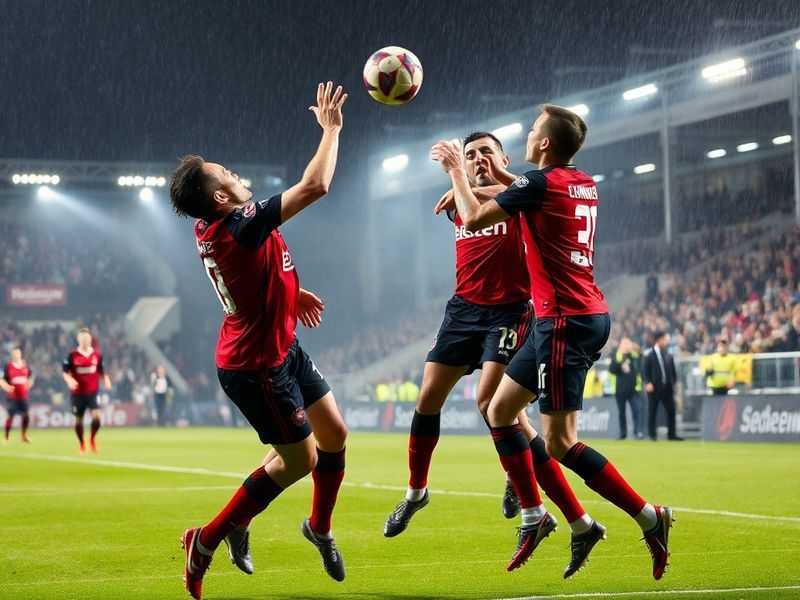
Their most recent milestone came in 2022–23, when Freiburg finished fifth in the Bundesliga and reached the knockout stages of the Europa League. That campaign featured victories over European giants like Juventus and Nantes, proving that Freiburg could compete with—and beat—any team in Europe. Their style of play—high pressing, quick transitions, and positional discipline—has drawn comparisons to clubs like Brighton & Hove Albion and Union Berlin, both of whom have adopted similar models.
A Model for the Future of Football?
Freiburg’s rise is not just a sporting tale; it’s a case study in sustainable football. In an era where clubs are valued in the billions and wages spiral out of control, Freiburg offers an alternative path. Their model has inspired smaller clubs across Europe, from Austria to England, to prioritize youth development and financial prudence over flashy signings.
But the model is not without challenges. As Freiburg’s profile grows, so does the temptation to chase bigger revenues. Their Europa League run in 2023–24 could be a turning point—will they reinvest profits into infrastructure, or risk diluting their philosophy? The club’s cooperative structure provides a buffer, but the financial pressures of modern football are real.
There’s also the question of scalability. Can Freiburg’s model be replicated at larger clubs? Probably not. Their success is rooted in their small-city identity and deep local ties. But their story proves that football doesn’t have to be a winner-takes-all industry. There’s room for clubs that value people over profit, tradition over trophies, and community over commercialism.
What’s Next for Freiburg?
As the 2024–25 season approaches, all eyes will be on Freiburg. Can they build on their European experience? Will they finally break into the Champions League? More importantly, can they do it without compromising their values?
One thing is certain: Freiburg FC is no longer an underdog story. They are a blueprint. A reminder that in football, as in life, the most enduring successes are often built not on money, but on meaning.
For fans of the game, that’s reason enough to pay attention.
To learn more about alternative football models and how clubs like Freiburg are reshaping the sport, visit our Sports and Analysis sections.