<h2>Ukraine Peace Deal: A Complex Path to Stability</h2>

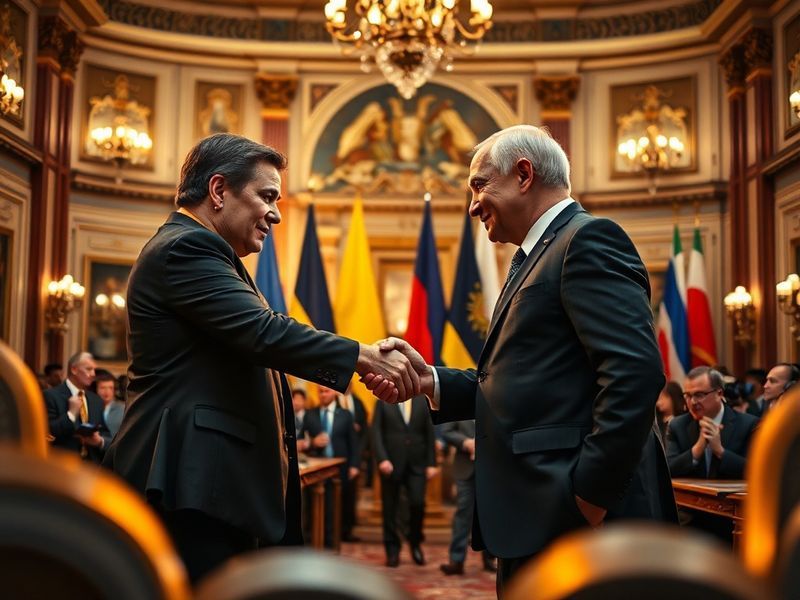
<p>The recent Ukraine peace deal represents one of the most significant diplomatic efforts since the escalation of conflict in 2022. Negotiated under the auspices of the European Union and supported by key Western allies, the agreement aims to establish a framework for ceasefire and long-term stability. While optimism surrounds the deal, its implementation remains fraught with challenges, from territorial disputes to political resistance on both sides.</p>

<p>At its core, the deal outlines a phased withdrawal of forces from contested regions, including Donetsk and Luhansk. These areas have been the epicenter of intense fighting, with civilian infrastructure repeatedly targeted. The agreement also includes provisions for humanitarian aid corridors, ensuring that displaced populations receive critical supplies. Observers note that such measures are essential for rebuilding trust between the warring parties.</p>

<h3>The Role of International Mediators</h3>

<p>International mediators, particularly from Poland and Turkey, have played a pivotal role in brokering the deal. Their involvement underscores the global stakes in resolving the conflict, which has already displaced millions and strained regional economies. The EU’s commitment of €50 billion in reconstruction funds further highlights the economic incentives for peace.</p>

<p>However, skepticism persists regarding the enforceability of the agreement. Past ceasefires have collapsed under the weight of mutual distrust, and this deal is no exception. Analysts point to the absence of a clear timeline for troop withdrawals as a potential stumbling block. Without binding enforcement mechanisms, the deal risks becoming another unfulfilled promise.</p>

<p>Another critical factor is the alignment—or lack thereof—among Ukraine’s Western allies. While the U.S. and EU have pledged unwavering support, divisions have emerged over the pace and scope of military aid. Some factions advocate for a more aggressive stance, while others prioritize diplomatic solutions. These internal disagreements could weaken the West’s negotiating position.</p>

<h3>Humanitarian and Economic Consequences</h3>

<p>The humanitarian toll of the conflict cannot be overstated. Over 6 million Ukrainians remain displaced, with many living in makeshift shelters or neighboring countries. The deal’s provisions for aid corridors are a step toward alleviating this crisis, but logistical hurdles remain. Infrastructure damage, including hospitals and schools, will require years—and billions—to repair.</p>

<p>Economically, the war has triggered food shortages and energy crises across Europe. Ukraine, once a global breadbasket, now faces severe agricultural disruptions. The deal includes clauses aimed at restoring grain exports, which are vital for global food security. Yet, the path to normalization is obstructed by landmines, destroyed roads, and ongoing security threats.</p>

<p>For businesses, the conflict has created a climate of uncertainty. Foreign investors have pulled back, and reconstruction efforts are stalling due to lack of funding. The EU’s reconstruction fund is a lifeline, but its disbursement hinges on tangible progress in the peace process. Without visible improvements, economic recovery will remain a distant prospect.</p>

<h3>Public Opinion and Political Pressures</h3>

<p>Public sentiment in Ukraine is deeply divided. While many civilians yearn for an end to the suffering, a vocal minority rejects territorial concessions, arguing that any peace deal must preserve Ukraine’s sovereignty. This schism complicates President Zelensky’s negotiating position, as he balances domestic pressures with international expectations.</p>

<p>In Russia, the Kremlin’s stance remains opaque. Official statements tout the deal as a victory, but hardliners within Putin’s regime may resist concessions that undermine their strategic goals. The absence of Russian representatives in the latest negotiations further fuels doubts about Moscow’s commitment to peace.</p>

<p>Meanwhile, Ukrainian society is mobilizing to hold its leaders accountable. Grassroots movements are demanding transparency in the deal’s implementation, fearing that corruption could derail reconstruction efforts. These pressures add another layer of complexity to an already fragile process.</p>

<h3>What’s Next for the Deal?</h3>

<p>The coming months will be decisive for the Ukraine peace deal. Key milestones include:</p>

<ul>
  <li>Troop withdrawals: Scheduled to begin in early 2025, this phase will test both sides’ willingness to compromise.</li>
  <li>Humanitarian aid distribution: NGOs and UN agencies are preparing to deliver supplies, but security assurances are still pending.</li>
  <li>Reconstruction funding: The EU’s €50 billion pledge hinges on progress in other areas, creating a domino effect of accountability.</li>
</ul>

<p>Experts warn that without sustained diplomatic pressure, the deal could unravel. The upcoming NATO summit in Washington may provide an opportunity for Western leaders to reaffirm their support. However, the alliance’s internal divisions over military aid could dilute its effectiveness.</p>

<p>For now, the deal offers a glimmer of hope amid the devastation. But hope alone cannot end a war. The coming months will reveal whether diplomacy can triumph over the inertia of conflict.</p>

<p>For more insights on global conflicts and their impact, visit our <a href="https://daveslocker.net/category/News">News</a> section. To explore the humanitarian side of such crises, check out our <a href="https://daveslocker.net/category/Analysis">Analysis</a> category.</p>

<h2>Conclusion: A Fragile Peace in the Making</h2>

<p>The Ukraine peace deal is a testament to the power of diplomacy, yet its success remains uncertain. The challenges ahead—from territorial disputes to political resistance—are formidable. Still, the agreement represents a critical step toward stability, offering a framework for dialogue where none existed before.</p>

<p>Ultimately, the deal’s legacy will depend on the actions of those who signed it. Will they honor their commitments, or will the cycle of violence resume? The world watches closely, as the fate of millions hangs in the balance.</p>