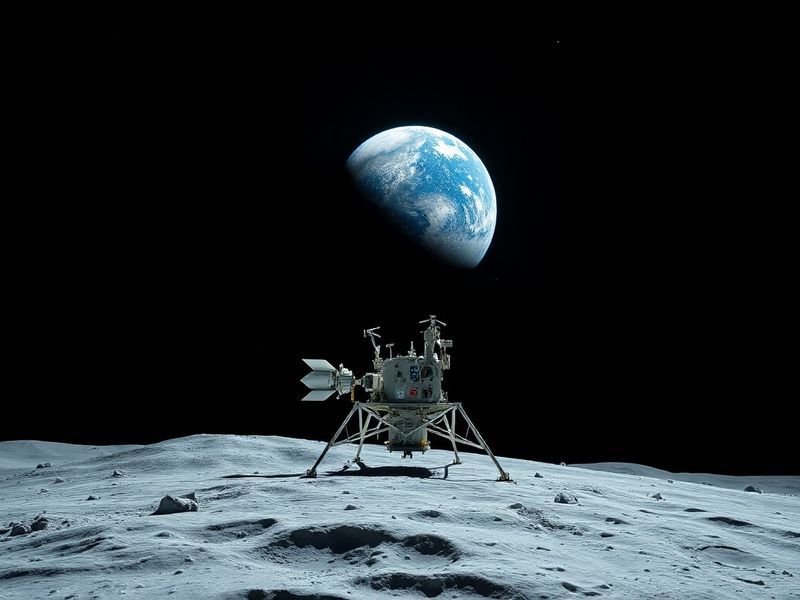
Artemis 3: NASA’s 2026 Moon Landing Explained
“`html
Artemis 3: NASA’s Bold Leap Back to the Moon
NASA’s Artemis program represents humanity’s most ambitious return to the lunar surface since the Apollo era. With Artemis 3, scheduled for no earlier than September 2026, the agency aims to land the first woman and the next man on the Moon. This mission isn’t just about planting flags and taking photos—it’s a critical step toward establishing a sustainable human presence beyond Earth.
The Mission and Its Objectives
Artemis 3 will be the first crewed lunar landing since Apollo 17 in 1972. The mission will utilize NASA’s Space Launch System (SLS) rocket and the Orion spacecraft, along with the commercially developed Human Landing System (HLS). The crew will dock with the Lunar Gateway—a small space station orbiting the Moon—before descending to the lunar surface.
The primary objectives include:
- Demonstrating new technologies: Testing advanced spacesuits, lunar rovers, and life support systems that will support future long-duration missions.
- Conducting scientific research: Collecting lunar samples and performing experiments to study the Moon’s geology, radiation environment, and potential resources like water ice.
- Establishing a sustainable presence: Laying the groundwork for the Artemis Base Camp, which could support crewed missions for weeks or even months.
- Inspiring the next generation: Continuing the legacy of Apollo by engaging global audiences and encouraging STEM education.
Why This Mission Matters Beyond the Moon
Artemis 3 isn’t just about the Moon—it’s a cornerstone of NASA’s broader strategy to prepare for deeper space exploration. The technologies and operational experience gained from this mission will be essential for future crewed missions to Mars and beyond. By testing systems in the lunar environment, NASA can reduce risks and refine strategies before committing to multi-year voyages to the Red Planet.
The mission also has significant geopolitical implications. As China and other nations advance their own lunar ambitions, Artemis represents America’s commitment to maintaining leadership in space exploration. The Lunar Gateway, a multinational effort, underscores the collaborative nature of modern spaceflight, involving partners like ESA, JAXA, and CSA.
The Challenges and Risks
Despite its promise, Artemis 3 faces formidable challenges. The HLS, developed by SpaceX, has faced scrutiny over its design and safety. Delays in testing and certification could push the launch date further. Additionally, the lunar south pole—targeted for the landing—presents unique hazards, including permanently shadowed regions that may harbor water ice but also treacherous terrain.
Budget constraints and political uncertainties add another layer of complexity. NASA’s ambitious timeline requires consistent funding and bipartisan support, which isn’t guaranteed in an era of shifting priorities. The agency must also balance the demands of Artemis with other priorities, such as the International Space Station and robotic missions to Mars and beyond.
What Comes Next?
Artemis 3 is just the beginning. Following this mission, NASA plans to launch Artemis 4 and beyond, each building on the successes and lessons of the previous flights. The ultimate goal is to establish a sustainable human presence on the Moon by the end of the decade, paving the way for crewed missions to Mars in the 2030s or 2040s.
For space enthusiasts, Artemis 3 offers a front-row seat to history. It’s a reminder that exploration is not just about discovery—it’s about pushing the boundaries of what’s possible. As humanity prepares to return to the Moon, the mission invites us to reflect on our place in the universe and the enduring spirit of exploration.
For more on space exploration and the technologies shaping our future, visit Dave’s Locker Technology and Dave’s Locker Science sections.