Strokes remain one of the most misunderstood yet critical medical emergencies worldwide. They strike suddenly, often without warning, and can leave lasting damage—or worse. With nearly 800,000 Americans experiencing a stroke each year, according to the American Heart Association, the condition demands greater awareness and understanding.
The consequences extend beyond the individual. Families, healthcare systems, and economies bear the weight of long-term care and rehabilitation. Yet, strokes are largely preventable. Early intervention, lifestyle changes, and education can dramatically reduce risk. This article explores the science behind strokes, their types, recovery pathways, and prevention strategies that could save lives.
What Happens During a Stroke?
A stroke occurs when blood flow to part of the brain is interrupted or reduced, depriving brain tissue of oxygen and nutrients. Within minutes, brain cells begin to die. This damage can lead to lasting cognitive, physical, or emotional impairments. There are three main types of strokes:
- Ischemic Stroke: The most common type, accounting for about 87% of all strokes. It happens when a blood clot blocks an artery supplying blood to the brain. These clots often form in arteries narrowed by atherosclerosis or travel from elsewhere in the body.
- Hemorrhagic Stroke: Occurs when a blood vessel in the brain ruptures, spilling blood into surrounding tissue. This can result from high blood pressure, aneurysms, or structural weaknesses in blood vessels.
- Transient Ischemic Attack (TIA): Often called a “mini-stroke,” a TIA is a temporary blockage that causes stroke-like symptoms but resolves within minutes to hours. While it doesn’t cause permanent damage, it’s a critical warning sign of a future stroke.
Time is of the essence. The acronym FAST is widely used to recognize stroke symptoms quickly:
- Face drooping: Does one side of the face droop or feel numb?
- Arm weakness: Is one arm weak or numb? Ask the person to raise both arms. Does one drift downward?
- Speech difficulty: Is speech slurred or hard to understand?
- Time to call emergency services: If any of these signs are present, seek immediate medical attention.
Acting within the first three hours of symptom onset can significantly improve outcomes. Thrombolytic drugs, like tissue plasminogen activator (tPA), can dissolve clots and restore blood flow—but they must be administered quickly.
Recovery: A Long and Unpredictable Journey
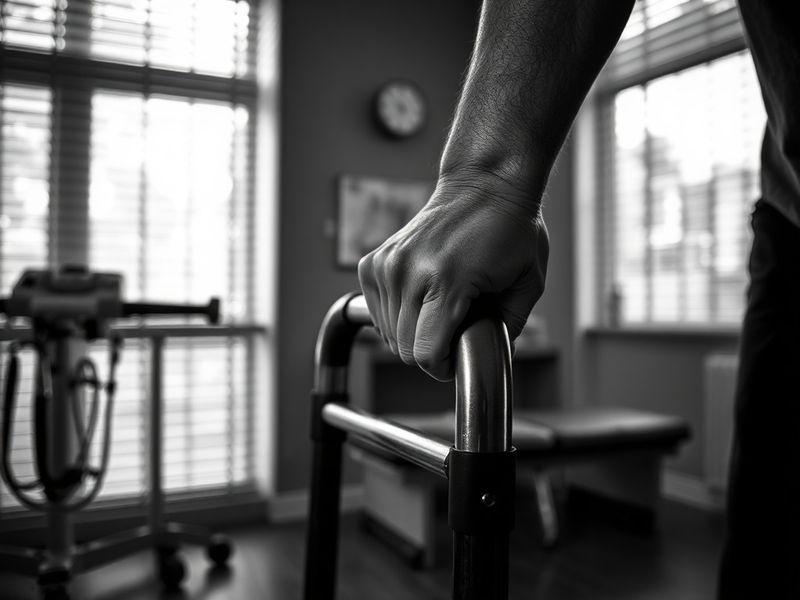
Stroke recovery varies widely depending on the severity, location, and type of stroke. Some individuals regain full function within weeks, while others face lifelong challenges. Rehabilitation often involves a multidisciplinary team, including neurologists, physical therapists, speech-language pathologists, and occupational therapists.
Physical therapy focuses on rebuilding strength and coordination. Patients relearn basic movements like walking or grasping objects. Speech therapy addresses difficulties with communication and swallowing, which are common after a stroke affecting the left hemisphere of the brain. Cognitive therapy may also be needed to restore memory, attention, and problem-solving skills.
Emotional recovery is equally important. Up to 30% of stroke survivors experience depression, which can hinder progress. Support groups and therapy play a vital role in addressing these challenges. Family involvement is crucial, as caregivers often face their own emotional and physical strain.
Advances in technology are transforming rehabilitation. Virtual reality (VR) systems are being used to create immersive environments for motor skill training. Robotics assist in repetitive motion exercises, helping patients rebuild strength with precision. These innovations offer hope for more effective and engaging recovery programs.
Prevention: Small Changes, Big Impact
Up to 80% of strokes can be prevented through lifestyle changes and medical management. High blood pressure is the leading risk factor, contributing to nearly half of all strokes. Controlling blood pressure through diet, exercise, and medication is paramount. The DASH diet (Dietary Approaches to Stop Hypertension) emphasizes fruits, vegetables, whole grains, and lean proteins while reducing sodium and saturated fats.
Other key prevention strategies include:
- Managing atrial fibrillation (AFib), a heart rhythm disorder that increases stroke risk fivefold.
- Avoiding smoking and limiting alcohol consumption.
- Staying physically active—even moderate exercise, like walking 30 minutes a day, can reduce risk by 25-30%.
- Monitoring cholesterol and blood sugar levels, particularly for individuals with diabetes.
- Recognizing and treating sleep apnea, which is linked to higher stroke risk due to interrupted oxygen flow.
Regular health check-ups are essential. Screenings for carotid artery disease, peripheral artery disease, and other conditions can identify risks before a stroke occurs. For those with a family history of stroke, genetic testing and early intervention can be lifesaving.
Broader Implications: A Public Health Priority
The impact of strokes extends far beyond the individual. In the United States alone, strokes cost nearly $34 billion annually in healthcare expenses and lost productivity. Globally, stroke is the second-leading cause of death and the third-leading cause of disability-adjusted life years (DALYs) lost. Low- and middle-income countries bear a disproportionate burden due to limited access to healthcare and preventive education.
Public health campaigns have made progress in raising awareness. Yet, misconceptions persist. Many people still believe strokes only affect the elderly, when in reality, nearly a quarter of strokes occur in people under 65. Women, too, face unique risks. Hormonal changes, pregnancy, and conditions like migraines with aura increase their likelihood of stroke.
Policy changes are also critical. Expanding access to healthcare, particularly in underserved communities, can reduce disparities in stroke outcomes. Telemedicine is emerging as a tool to provide rapid stroke assessments in remote areas. Additionally, workplace wellness programs that promote healthy lifestyles can play a role in prevention.
As research advances, new treatments are on the horizon. Neuroprotective drugs aim to limit brain damage during a stroke. Stem cell therapy and brain-computer interfaces are being explored to restore lost function. While these innovations offer hope, prevention remains the most powerful tool we have.
Strokes are not inevitable. They are a call to action—for individuals, families, and communities. By understanding the risks, recognizing the signs, and committing to prevention, we can change the trajectory of this devastating condition. The science is clear: strokes are preventable, treatable, and beatable. The question is whether we will act before it’s too late.
For those interested in learning more about neurological health and related topics, visit Dave’s Locker Health section for expert insights and resources.