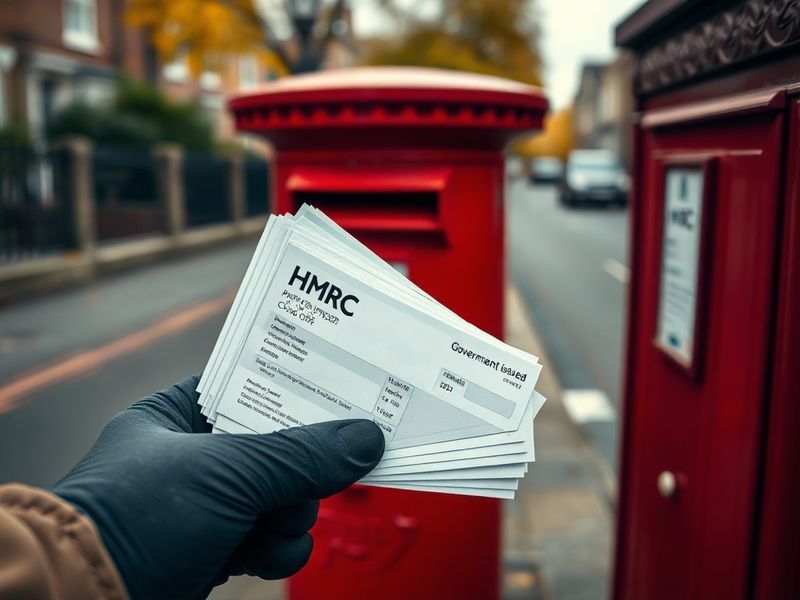
In 2024, digital payments dominate financial transactions in the UK, yet Her Majesty’s Revenue and Customs (HMRC) continues to issue cheques to taxpayers. While online systems like Direct Debit and bank transfers offer speed and convenience, HMRC’s reliance on paper-based payments reflects a mix of legal requirements, administrative inertia, and practical limitations. This article explores the reasons behind HMRC’s continued use of cheques, the impact on taxpayers, and whether change is on the horizon.
Why HMRC Still Issues Cheques
HMRC’s use of cheques stems largely from legal and procedural constraints. Certain tax repayments, such as those from Self Assessment or PAYE, cannot be processed digitally if the recipient lacks a UK bank account or uses a non-standard financial service. For example, individuals with certain trust arrangements, non-resident accounts, or specific pension schemes may find cheques the only viable option. Additionally, HMRC must comply with strict audit trails, and cheques provide a physical record that is easier to track in some legacy systems.
Another factor is the complexity of transitioning entire systems. HMRC processes millions of transactions annually, and migrating legacy systems to fully digital formats is resource-intensive. While Direct Payments and faster payment methods have reduced reliance on cheques, some older systems still rely on paper trails for reconciliation and compliance purposes. This creates a hybrid environment where both digital and paper systems operate in parallel.
The human element also plays a role. Not all taxpayers are comfortable with online banking, and some vulnerable individuals, such as elderly or digitally excluded citizens, depend on cheques for financial stability. HMRC’s commitment to accessibility means maintaining alternative payment methods to ensure no one is left behind.
The Impact on Taxpayers and HMRC
The persistence of cheques affects both taxpayers and HMRC in several ways. For recipients, cheques introduce delays. Processing times for paper payments can take up to five working days, compared to near-instant digital transfers. This lag is particularly frustrating for individuals relying on refunds to cover essential expenses. Fraud risks also increase with cheques, as they can be lost, stolen, or intercepted, leading to potential financial losses or identity theft.
From HMRC’s perspective, cheques add administrative overhead. Each cheque requires manual processing, reconciliation, and postage, increasing operational costs. The department has made strides in reducing cheque usage—down from 18 million in 2010 to under 2 million in recent years—but the decline has plateaued. This suggests that while digital payments are preferred, cheques remain a necessary fallback for a subset of taxpayers.
For businesses, especially micro-enterprises and sole traders, cheques can still be a practical option. Some small businesses lack the infrastructure for seamless digital refunds or prefer the control that cheques offer in managing cash flow. However, the decline of cheque usage in the broader economy means fewer banks are equipped to process them efficiently, potentially complicating the process further.
Is Change Coming? The Future of HMRC Payments
HMRC has signalled a commitment to reducing cheque dependency, but progress is gradual. The department encourages taxpayers to switch to digital payment methods, such as bank transfers or Direct Debit, through its online portal. In cases where digital payments are not feasible, alternative solutions like prepaid cards or third-party payment services are sometimes offered as intermediaries.
Legislative changes could also accelerate the shift away from cheques. The UK government has been phasing out cheque payments in various sectors, with many high street banks discontinuing chequebooks altogether. HMRC’s alignment with this broader trend suggests that cheques may eventually become obsolete, though the timeline remains uncertain.
A potential solution lies in HMRC’s existing digital tools. The Finance section of Dave’s Locker explores how digital payment innovations are reshaping tax administration. Tools like real-time tax calculators and automated refund systems could further reduce reliance on paper payments. However, until digital infrastructure is universally accessible, cheques will likely remain part of HMRC’s payment ecosystem.
What Taxpayers Can Do
Taxpayers who wish to avoid cheques have several options. First, ensure HMRC has up-to-date contact and banking details through the Analysis section of Dave’s Locker, which provides guidance on navigating tax systems. This can prevent delays and ensure refunds are processed digitally. For those without a UK bank account, HMRC may accept international transfers or prepaid cards, though these options require prior arrangement.
If cheques are unavoidable, here are steps to mitigate risks:
- Deposit promptly: Cheques should be banked within six months to avoid invalidation. Delaying deposit increases the risk of loss or fraud.
- Use secure mail: If sending cheques via post, use recorded delivery to track their journey.
- Monitor accounts: Regularly check bank statements to confirm receipt and processing of cheques.
- Request digital alternatives: Contact HMRC to explore whether digital payment methods are available for your specific circumstances.
Taxpayers facing persistent issues with cheques can escalate concerns through HMRC’s complaints service or seek advice from organisations like Citizens Advice. While HMRC’s systems are generally reliable, human errors or administrative oversights can occur, particularly in cases involving paper payments.
Ultimately, the shift away from cheques is a reflection of broader societal trends toward digitalisation. While HMRC’s continued use of paper payments may seem outdated, it underscores the challenges of balancing efficiency with inclusivity. As digital infrastructure improves and accessibility concerns are addressed, the reliance on cheques is likely to diminish—but for now, they remain a necessary, if imperfect, part of the tax system.