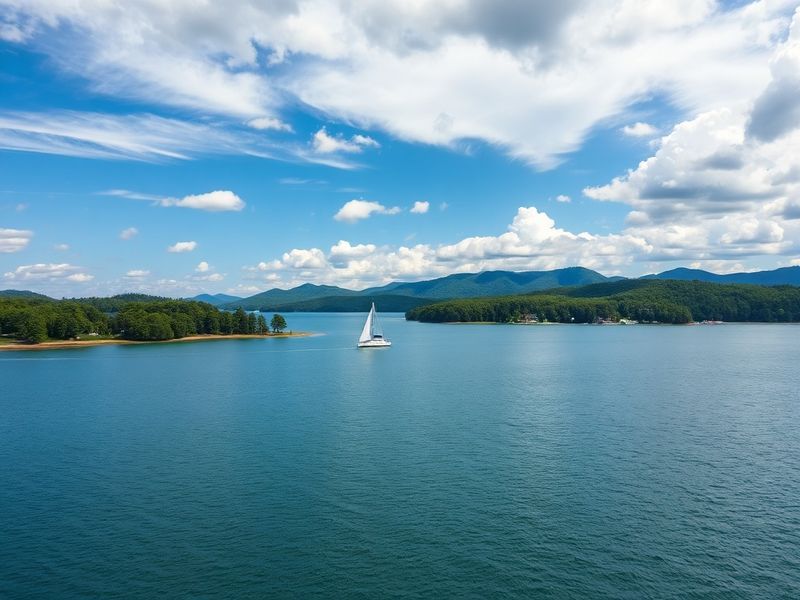
Madison, Wisconsin, often flies under the radar in national weather discussions, yet its climate is a fascinating study in contrasts. Sandwiched between two massive lakes—Lake Mendota and Lake Monona—the city experiences weather patterns that are as dynamic as they are unpredictable. From blistering winters to surprisingly mild summers, Madison’s meteorological identity is shaped by its geography, elevation, and position in the heart of the Midwest.
The city’s weather isn’t just a local curiosity; it has broader implications for everything from agriculture to urban planning. Understanding Madison’s climate requires looking beyond the surface-level forecasts and examining the forces that drive its conditions. Whether you’re a resident bracing for another polar vortex or a visitor planning a trip, knowing what to expect can make all the difference.
The Four Seasons of Madison: A Closer Look
Madison’s weather is defined by its four distinct seasons, each with its own personality. Winters are long, cold, and snowy, with temperatures frequently dipping below zero. The city averages around 47 inches of snow annually, making it a haven for winter sports enthusiasts but a challenge for commuters. Spring is a volatile season, marked by rapid temperature swings and frequent rain showers that can transition into severe thunderstorms almost overnight.
Summers in Madison are warm and humid, with temperatures often climbing into the 80s and 90s. The proximity to Lake Mendota moderates the heat slightly, but humidity can make it feel oppressive. Fall is perhaps the most beloved season, with crisp air, vibrant foliage, and a gradual cooling that makes it ideal for outdoor activities. However, even fall isn’t immune to surprises, as early snowstorms can occasionally disrupt the transition.
These seasonal shifts aren’t just a matter of personal preference; they have real-world consequences. The heavy snowfall, for example, places significant demands on city infrastructure, from snow removal budgets to road maintenance. Meanwhile, the humid summers can exacerbate air quality issues, particularly for those with respiratory conditions. The variability of the seasons also impacts local agriculture, with farmers needing to adapt planting and harvesting schedules to account for unpredictable weather patterns.
How the Lakes Shape Madison’s Weather
Madison’s location between Lake Mendota and Lake Monona plays a crucial role in shaping its weather. The lakes act as natural temperature regulators, moderating the extremes that might otherwise define the city’s climate. In winter, the lakes can contribute to increased snowfall as cold air masses move over the relatively warmer water, a phenomenon known as lake-effect snow. This effect is less pronounced than in cities like Buffalo or Syracuse, but it still plays a role in Madison’s winter weather.
During the summer, the lakes provide a cooling effect, particularly in the downtown area and near the shoreline. This can create microclimates where temperatures are several degrees cooler than in outlying areas. However, the lakes also contribute to increased humidity, which can make summer days feel more uncomfortable than they might otherwise. In the fall, the lakes delay the onset of colder temperatures, prolonging the growing season and delaying the first frost.
The lakes aren’t just passive participants in Madison’s weather; they’re active players that influence everything from wind patterns to precipitation. Understanding their role is key to grasping why Madison’s climate feels so different from other cities in the region. For residents, this means being prepared for weather that can change rapidly, often within the span of a single day.
Why Madison’s Weather Matters Beyond the City Limits
Madison’s weather isn’t just a local concern; it has broader implications that ripple across the state and beyond. The city’s climate patterns are closely tied to agricultural productivity in the surrounding region. Farmers rely on the timing of frost, rainfall, and temperature shifts to plan their crops. A late frost or an unusually dry summer can have significant economic consequences, affecting everything from commodity prices to food supply chains.
The city’s weather also plays a role in its cultural and recreational identity. Madison is home to the University of Wisconsin-Madison, whose campus and student body are deeply influenced by the seasons. Football season in the fall, ice hockey in the winter, and outdoor festivals in the summer all reflect the city’s relationship with its climate. Even the local economy benefits from weather-dependent industries like tourism and outdoor recreation.
On a larger scale, Madison’s weather is a microcosm of broader climate trends. The city has seen an increase in the frequency of extreme weather events, from heavy rainstorms to prolonged heatwaves. These changes align with global patterns of climate change, raising questions about how Madison—and cities like it—can adapt to a shifting environment. Urban planners, policymakers, and residents are all graised with the challenge of preparing for a future where the weather may become even more unpredictable.
Key Takeaways for Residents and Visitors
Whether you’re a lifelong Madison resident or a first-time visitor, understanding the city’s weather can help you navigate its challenges and appreciate its beauty. Here are a few key points to keep in mind:
- Winter Preparedness: Snow is a given in Madison, so invest in a reliable vehicle with good winter tires. Keep an emergency kit in your car, including blankets, a shovel, and non-perishable snacks.
- Spring Fluctuations: Temperatures can swing dramatically in the spring, so layer your clothing and be prepared for sudden rain showers or even late-season snow.
- Summer Humidity: The combination of heat and humidity can be oppressive, so stay hydrated and limit outdoor activities during peak afternoon hours.
- Fall Transitions: Enjoy the crisp air and fall foliage, but keep an eye on early snow forecasts, which can disrupt travel and outdoor plans.
- Lake Effects: If you’re near the lakes, be aware that temperatures and wind patterns can differ significantly from other parts of the city.
For those interested in diving deeper into Madison’s weather patterns, local resources like the Dave’s Locker Weather Section offer real-time updates and expert analysis. Whether you’re planning a visit or just curious about the forces shaping the city’s climate, these tools can provide valuable insights.
A Final Word on Madison’s Weather
Madison’s weather is more than just a backdrop to daily life; it’s an integral part of the city’s identity. The city’s climate shapes its culture, economy, and even its sense of community. From the camaraderie of shoveling out after a blizzard to the joy of watching the leaves turn in the fall, Madison’s weather is something residents learn to embrace rather than endure.
As climate change continues to alter weather patterns across the globe, Madison’s experience offers a glimpse into the challenges and opportunities that lie ahead. The city’s ability to adapt—whether through improved infrastructure, sustainable practices, or community resilience—will be a model for others facing similar changes. For now, Madison’s weather remains a defining feature of life in the city, one that continues to surprise, challenge, and inspire those who call it home.