The Grand National: History, Culture, and Global Appeal Explained
“`html
The Grand National: A Global Spectacle of Grit and Glory
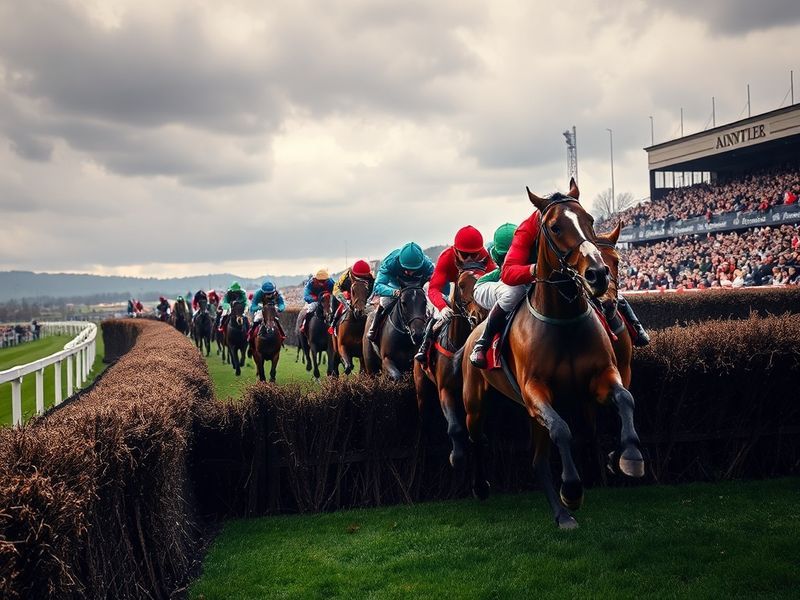
The Grand National is more than just a horse race. It’s a 179-year-old tradition that has woven itself into the fabric of British culture while captivating audiences worldwide. Run annually at Aintree Racecourse near Liverpool, England, this steeplechase is one of the most grueling and prestigious events in the sport of kings. With a 4-mile, 514-yard course featuring 30 formidable fences, the race demands endurance, strategy, and sheer courage from both horse and jockey.
What began as a modest steeplechase in 1839 has evolved into a global phenomenon, drawing over 100,000 spectators to Aintree each year and millions more watching on television across 140 countries. The event’s blend of high drama, unpredictable outcomes, and rich history makes it a cultural touchstone. For many, it’s not just about the racing—it’s about the stories, the rivalries, and the indomitable spirit of competitors willing to risk everything for glory.
A Brief History: From Humble Beginnings to Global Fame
The Grand National traces its origins to the 1830s when local landowner William Lynn leased land from the Earl of Sefton to establish a racecourse. The first official running took place in 1839, though early editions were far less organized than today’s spectacle. The race gained prominence in the late 19th century, particularly after the creation of the iconic fences like Becher’s Brook and The Chair, which became synonymous with the event’s challenges.
By the 20th century, the Grand National had cemented its place in British identity. It survived cancellations during both World Wars and even the foot-and-mouth disease outbreak in 2001. Today, it stands as a testament to resilience, both in sport and society. The race has also become a platform for charity fundraising, with initiatives like the official Grand National Charity supported by jockeys and trainers.
Iconic Moments and Unforgettable Champions
Few sporting events boast a history as rich in drama and lore as the Grand National. Over the decades, it has produced moments that transcend horseracing, embedding themselves in public memory. Red Rum, perhaps the most famous horse in the event’s history, won three times in the 1970s and finished second twice, embodying the race’s unpredictable nature. His story—a crippled horse defying odds—remains a symbol of perseverance.
Other legendary figures include Tiger Roll, the smallest horse to win in modern times (2018 and 2019), and jockey Sir Anthony McCoy, who secured his first and only Grand National victory aboard Don’t Push It in 2010. The race has also seen heartbreak, such as when Foinavon won in 1967 at odds of 100-1 after a pile-up at the 23rd fence left the field decimated.
These stories contribute to the race’s mystique. They remind fans that the Grand National is as much about human emotion as it is about athletic prowess. For trainers, it’s a lifelong dream; for jockeys, a test of nerve; and for spectators, a rollercoaster of tension.
The Cultural Impact: More Than Just a Race
The Grand National’s influence extends far beyond the racetrack. It’s a social event, a betting extravaganza, and a cultural touchstone that unites generations. In the UK, it’s a public holiday fixture, with offices and pubs buzzing with anticipation. The race has inspired countless works of literature, music, and film, from Enid Bagnold’s novel National Velvet to the 1944 film adaptation starring Elizabeth Taylor.
Internationally, the Grand National has become a symbol of British tradition, attracting tourists from Australia, Ireland, the United States, and beyond. Bookmakers report record-breaking betting volumes, with the 2023 race seeing over £300 million wagered. The event’s global reach is further amplified by streaming services and social media, where clips of falls, triumphs, and near-misses circulate widely.
A Global Audience with Local Flavors
While the Grand National is quintessentially British, its appeal is undeniably global. In Ireland, for example, the race is a point of national pride, with many Irish-owned horses and jockeys competing. The Cheltenham Festival in March often serves as a precursor, with form guides scrutinized ahead of Aintree. In France, the race is covered extensively by Paris Turf, while in the United States, networks like NBCSN have expanded their coverage to cater to growing interest.
Even in countries with no tradition of jump racing, the Grand National captivates. In Japan, for instance, where horseracing is a major sport, fans follow the event with keen interest, often placing bets through international bookmakers. The race’s universal themes—underdog stories, dramatic upsets, and the clash between man and nature—resonate across cultures.
Behind the Scenes: The Making of a Grand National Contender
Winning the Grand National is the culmination of years of preparation. Horses are carefully selected for their stamina, agility, and temperament. Many contenders are Irish-bred, given the country’s strong tradition in National Hunt racing. Trainers like Gordon Elliott and Nicky Henderson have built reputations on their ability to prepare horses for the unique challenges of Aintree.
The fences themselves are a study in engineering. Becher’s Brook, for example, is notorious for its steep drop on the landing side, while The Chair is the tallest fence on the course. These obstacles are designed to test a horse’s ability to jump accurately and recover quickly. Jockeys must also adapt their strategies, often choosing to conserve energy in the early stages before making a move in the final miles.
- Training Regimen: Horses typically begin their Grand National preparation a year in advance, with a focus on long-distance gallops and jumping practice. Many trainers use the Welsh Grand National or Lexus Chase as stepping stones.
- Jockey Selection: The partnership between horse and jockey is critical. Top jockeys like Rachael Blackmore, the first woman to win the Grand National (2021), are in high demand for their tactical acumen.
- Public Perception: The race’s image has evolved over time. While once criticized for animal welfare concerns, modern regulations and increased scrutiny have led to improvements in horse care and race safety.
The logistics of the event are equally impressive. Aintree transforms into a temporary city, with temporary grandstands, hospitality suites, and even a fairground. Over 600 horses are stabled on-site, and thousands of staff work behind the scenes to ensure smooth operations. For those lucky enough to attend, the atmosphere is electric, with fans dressed in everything from top hats to scarves emblazoned with their favorite horse’s colors.
The Future: Innovation and Tradition in Balance
As the Grand National approaches its third century, it faces both opportunities and challenges. On one hand, the race continues to innovate, with enhanced broadcast technology and social media engagement bringing the action to new audiences. The introduction of the “Super Saturday” format, featuring the Grand National on the final day of a three-day festival, has added to the spectacle.
On the other hand, the event must navigate issues like animal welfare and commercialization. Animal rights groups have long criticized the race for its risks, though fatalities have decreased significantly in recent years due to stricter regulations. The sport’s governing bodies, including the British Horseracing Authority, have implemented measures like padded fences and mandatory veterinary checks to improve safety.
There’s also the question of how to keep the race relevant in an era of shifting entertainment trends. While the Grand National remains a staple of British culture, younger audiences are increasingly drawn to digital platforms and esports. To counter this, organizers have embraced interactive experiences, such as virtual reality tours of Aintree and augmented reality apps that allow fans to “experience” the race from a jockey’s perspective.
The Grand National’s ability to adapt while preserving its heritage will determine its longevity. For now, it remains a symbol of both tradition and transformation—a race where the past and future collide in a thrilling display of grit and glory.
A Final Word
The Grand National is more than a sporting event; it’s a cultural institution. It reflects the best and worst of human ambition, the thrill of competition, and the enduring appeal of underdog stories. Whether you’re a lifelong fan or a first-time viewer, the race offers something unforgettable. As the horses thunder down the final stretch toward the winning post, it’s impossible not to feel the weight of history—and the promise of what’s to come.
For those looking to dive deeper into the world of horseracing, Sports on Dave’s Locker offers a wealth of articles on the sport’s stars, strategies, and stories. And if you’re curious about the global impact of iconic sporting events, our Entertainment section explores how traditions like the Grand National shape culture worldwide.