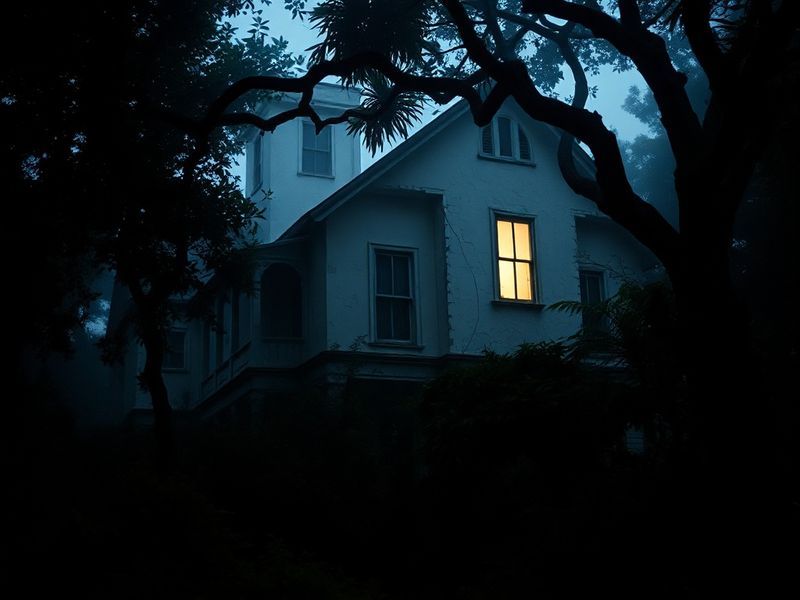
Few ghost stories in India carry the cultural weight of Bhoot Bangla. What began as a regional folktale has evolved into a national obsession, spawning films, television shows, and countless retellings across generations. The story taps into universal fears of the supernatural while reflecting deeper societal anxieties about colonialism, class, and the unknown.
The Origins of a Haunting Tale
The roots of Bhoot Bangla trace back to the early 20th century in Bengal, where British colonial architecture provided the perfect backdrop for ghostly legends. The term itself translates to “ghost house,” and the story typically revolves around a haunted bungalow left abandoned after a violent incident. These structures, often grand but decaying, became symbols of both colonial exploitation and the lingering presence of the past.
One of the earliest written versions appeared in the 1940s, published in Bengali literature. The narrative centered on a family moving into a seemingly ordinary home, only to discover its sinister history. The ghost—a former occupant who met a gruesome end—would torment the new residents with eerie occurrences, from whispers in the dark to objects moving on their own. This template would later be adapted and expanded in various media forms.
How Bhoot Bangla Transcended Regional Boundaries
The story’s transition from oral tradition to mainstream entertainment began with radio dramas in the 1950s and 1960s. These adaptations amplified the chills, using sound effects and dramatic pauses to build suspense. By the 1970s, Bhoot Bangla had become a staple of Bengali cinema, with directors like Tapan Sinha and later Ram Gopal Varma reimagining it for wider audiences.
The 1990s marked a turning point when Bollywood embraced the genre. Films like Bhoot (2003) and Raat (1992) borrowed elements from Bhoot Bangla, blending psychological horror with supernatural thrills. These movies didn’t just replicate the original tale—they reinvented it, adding psychological depth to the ghost’s motivations and exploring themes of guilt and redemption.
Television further cemented Bhoot Bangla’s place in popular culture. Series like Zee Horror Show and Ssshhhh…Koi Hai featured standalone episodes inspired by the legend, often updating the setting to modern apartments or corporate offices. This adaptability proved key to the story’s longevity, allowing it to stay relevant amid changing audience tastes.
Key Elements That Define Bhoot Bangla
The enduring appeal of Bhoot Bangla lies in its structural simplicity and thematic richness. Below are the core components that define the genre:
- The Haunted Space: Whether a colonial-era bungalow or a contemporary high-rise, the setting is always a structure with a dark past. Its architecture often mirrors the protagonist’s psychological state.
- The Tragic Backstory: The ghost’s suffering—often tied to betrayal, murder, or suicide—drives the narrative. Their unresolved trauma becomes the source of the haunting.
- Unreliable Reality: The line between hallucination and supernatural intervention blurs, leaving characters (and audiences) questioning what’s real.
- Moral Dilemmas: Many versions of Bhoot Bangla explore themes of karma, justice, and the consequences of greed or cruelty.
The Broader Implications of Bhoot Bangla
Bhoot Bangla is more than just a ghost story—it’s a cultural artifact that reveals much about the societies that perpetuate it. The recurring image of the abandoned, decaying house reflects anxieties about urbanization and the erasure of history. In post-colonial India, these structures symbolize the unresolved tensions of the past, where colonial violence and exploitation linger like specters.
The genre also serves as a vehicle for social commentary. Many adaptations critique class disparities, with ghosts often being former servants or marginalized figures seeking justice. Others explore the psychological toll of modernity, where urban isolation and materialism create their own forms of haunting.
Psychologically, the story preys on primal fears—the fear of the unknown, of intrusion into personal space, and of being watched. The ghost in Bhoot Bangla isn’t just an otherworldly entity; it’s a manifestation of repressed guilt, societal trauma, or personal sins. This duality makes the tale relatable across cultures, as audiences project their own fears onto the narrative.
Why Bhoot Bangla Endures in the Digital Age
In an era dominated by CGI-heavy horror and jump-scare franchises, Bhoot Bangla thrives by staying grounded in emotional authenticity. Modern retellings, such as the 2020 Netflix series Brahmarakshas, lean into character development and atmospheric tension rather than relying solely on visual effects. This approach resonates with audiences tired of formulaic scares.
The story’s adaptability also ensures its survival. From YouTube horror shorts to regional language films, Bhoot Bangla continues to evolve. Independent creators are reimagining the tale in innovative ways, such as setting it in cyberpunk cities or exploring LGBTQ+ themes through ghostly narratives.
For those looking to explore the genre further, Dave’s Locker’s Horror section offers a curated selection of films and literature inspired by Bhoot Bangla. Meanwhile, Culture features deeper analyses of how folklore shapes contemporary entertainment.
A Legacy That Won’t Fade
Bhoot Bangla’s power lies in its ability to reinvent itself while retaining its core essence—a haunting tale rooted in human emotion. Whether through a 1970s Bengali film or a 2024 indie web series, the story remains a testament to the enduring appeal of folklore in modern storytelling.
As long as there are abandoned buildings, unresolved histories, and fears of the unknown, Bhoot Bangla will continue to thrive. It’s a reminder that some ghosts never truly leave—they simply wait for the next generation to invite them back in.
For horror enthusiasts and cultural historians alike, the tale offers more than just scares. It’s a mirror held up to society, reflecting our deepest anxieties and the stories we tell to make sense of them.