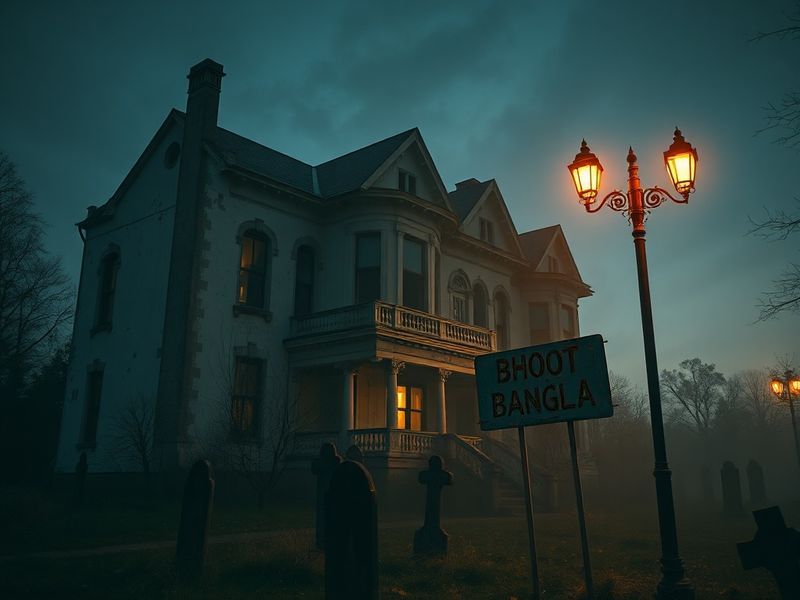
Bhoot Bangla: The Haunting Legacy of Indian Horror Cinema
“`html
Bhoot Bangla: The Haunting Legacy of Indian Horror Cinema
The term Bhoot Bangla translates literally to “ghost house” in Hindi, but its meaning extends far beyond a simple phrase. It represents a subgenre of Indian cinema that blends supernatural elements with psychological horror, often set against the backdrop of colonial-era architecture. These films have carved a unique niche in Bollywood’s vast landscape, influencing generations of filmmakers and audiences alike.
While Western horror cinema often relies on jump scares and gore, Bhoot Bangla films emphasize atmosphere, folklore, and the slow unraveling of sanity. This approach has made them a cultural touchstone, not just in India but across South Asia and the global diaspora. Their enduring appeal lies in their ability to tap into universal fears—haunted spaces, vengeful spirits, and the unknown lurking in the shadows.
The Origins and Evolution of Bhoot Bangla
The roots of Bhoot Bangla can be traced back to the 1940s, when Indian cinema was still finding its footing. Early films like Mahal (1949), starring Madhubala, introduced the concept of a haunted mansion and a ghostly romance. This film set the template for what would become a recurring theme in Bhoot Bangla movies—a tragic love story intertwined with supernatural terror.
By the 1960s and 1970s, the genre evolved with films like Bees Saal Baad (1962) and Nagin (1976), which leaned into folklore and mythological horror. These films often featured snake spirits, cursed objects, and eerie sound design to create an unsettling experience. Directors like Biren Nag and Rajkumar Kohli became synonymous with the genre, crafting stories that balanced horror with melodrama.
In the 1990s and early 2000s, Bhoot Bangla films saw a resurgence with modern takes on classic themes. Movies like Kaal (2005) and Dhund (2003) incorporated advanced special effects while retaining the genre’s signature slow-burn tension. This period also saw the rise of psychological horror in Indian cinema, with films like Kaun (1999) exploring paranoia and identity within the Bhoot Bangla framework.
Cultural Significance and Global Influence
Bhoot Bangla films are more than just entertainment; they reflect societal anxieties and cultural beliefs. Many of these stories draw from Indian folklore, where ghosts (bhoots) are often seen as restless souls seeking justice or closure. This spiritual dimension sets Bhoot Bangla apart from Western horror, where ghosts are frequently depicted as malevolent entities.
The genre’s influence extends beyond India’s borders. In neighboring countries like Bangladesh and Pakistan, filmmakers have adapted Bhoot Bangla tropes into their own cinema. For example, Pakistani films like Zinda Bhaag (2013) incorporate elements of horror and suspense, blending them with local traditions.
Globally, Bhoot Bangla has inspired international filmmakers and audiences. The 2018 Hollywood film The Nun, part of the Conjuring universe, drew inspiration from the eerie aesthetics of Bhoot Bangla. Similarly, Indian horror films like Tumbbad (2018) have gained international acclaim for their atmospheric storytelling, proving that the genre’s appeal is not limited by language or culture.
Key Themes in Bhoot Bangla Films
Several recurring themes define the Bhoot Bangla genre:
- Haunted Spaces: Abandoned mansions, ancestral homes, and forgotten buildings serve as the primary settings. These spaces are often tied to past injustices, such as murders or betrayals, which fuel the supernatural occurrences.
- Vengeful Spirits: Ghosts in Bhoot Bangla films are rarely mindless monsters. Instead, they are often tragic figures seeking revenge for wrongs committed against them during their lifetimes.
- Psychological Horror: Many films in this genre blur the line between reality and hallucination. Characters often question their sanity as they encounter increasingly disturbing phenomena.
- Folklore and Mythology: Stories frequently draw from regional myths, such as the chudail (a witch-like spirit) or the pret (a restless ghost). These elements add a layer of cultural authenticity to the horror.
- Family Secrets: Betrayal, greed, and hidden pasts within families often drive the plot. The unraveling of these secrets coincides with the supernatural events, creating a sense of inevitability.
Modern Bhoot Bangla: A Genre in Transition
The 21st century has brought significant changes to Bhoot Bangla cinema. With advancements in technology, filmmakers now have the tools to create more realistic and visually stunning horror experiences. However, this has also led to debates about the genre’s direction. Some purists argue that modern films prioritize spectacle over storytelling, diluting the psychological depth that defined classic Bhoot Bangla.
Despite these challenges, the genre continues to thrive. Streaming platforms like Netflix and Amazon Prime have given Bhoot Bangla films a global audience, introducing new viewers to the genre. Recent releases like Karthik Calling Karthik (2010) and Krodh (2022) demonstrate the genre’s versatility, blending horror with thriller and crime elements.
One notable trend is the rise of anthology films, such as Ghost Stories (2020), which revisits classic Bhoot Bangla tropes through multiple interconnected narratives. This format allows filmmakers to experiment with different styles while paying homage to the genre’s roots.
The Future of Bhoot Bangla
As Indian cinema continues to evolve, the future of Bhoot Bangla remains uncertain yet promising. The genre’s ability to adapt to changing audience tastes will determine its longevity. One potential avenue is the fusion of Bhoot Bangla with other genres, such as science fiction or comedy. For example, Go Goa Gone (2013) successfully blended horror with a comedic road trip narrative, proving that the genre can appeal to broader audiences.
Another exciting development is the increasing representation of regional horror traditions. While Hindi cinema dominates the discourse, films in languages like Bengali, Tamil, and Malayalam are gaining recognition for their unique takes on horror. For instance, the Bengali film Rakkhosh (2021) reimagines local folklore with a modern twist, offering a fresh perspective on Bhoot Bangla themes.
Ultimately, the enduring appeal of Bhoot Bangla lies in its ability to tap into primal fears while reflecting cultural identity. Whether through classic haunted mansions or innovative new narratives, the genre continues to haunt—and captivate—audiences worldwide.
Why Bhoot Bangla Resonates Across Generations
The lasting popularity of Bhoot Bangla can be attributed to several factors:
- Universal Themes: Fear of the unknown, guilt, and the supernatural are timeless. These themes transcend cultural boundaries, making Bhoot Bangla relatable to global audiences.
- Cultural Richness: The genre is deeply rooted in Indian traditions, offering a glimpse into the country’s folklore and spiritual beliefs. This cultural authenticity sets it apart from generic horror films.
- Emotional Depth: Unlike many Western horror films that prioritize gore, Bhoot Bangla often explores complex emotions like grief, betrayal, and redemption. This emotional resonance makes the horror more impactful.
- Nostalgia: For many Indians, Bhoot Bangla films evoke childhood memories of watching these movies with family. This nostalgia reinforces the genre’s cultural significance.
- Adaptability: The genre has evolved alongside changing audience preferences, incorporating new storytelling techniques and themes while retaining its core identity.
As long as audiences continue to seek stories that blend terror with cultural richness, Bhoot Bangla will remain a vital part of global cinema. Its ability to reinvent itself while staying true to its roots ensures that this haunting genre will endure for generations to come.