Salvador: Brazil’s Cultural Gem with Deep Roots and Modern Challenges
The coastal city of Salvador, Brazil, stands as a testament to the country’s complex history and vibrant present. Founded in 1549, it served as the first capital of Portuguese Brazil, a role that shaped its architecture, culture, and demographics. Today, Salvador is a city where colonial grandeur meets Afro-Brazilian energy, creating a unique atmosphere unlike any other in Latin America.
The city’s historic center, known as Pelourinho, is a UNESCO World Heritage Site. Cobblestone streets wind past pastel-colored buildings adorned with intricate azulejo tiles, a legacy of Portugal’s influence. Yet, just a few blocks away, the pulse of Salvador’s Afro-Brazilian heritage beats strongly in the rhythms of capoeira, the melodies of samba-reggae, and the flavors of its famed cuisine.
The Heartbeat of Afro-Brazilian Culture
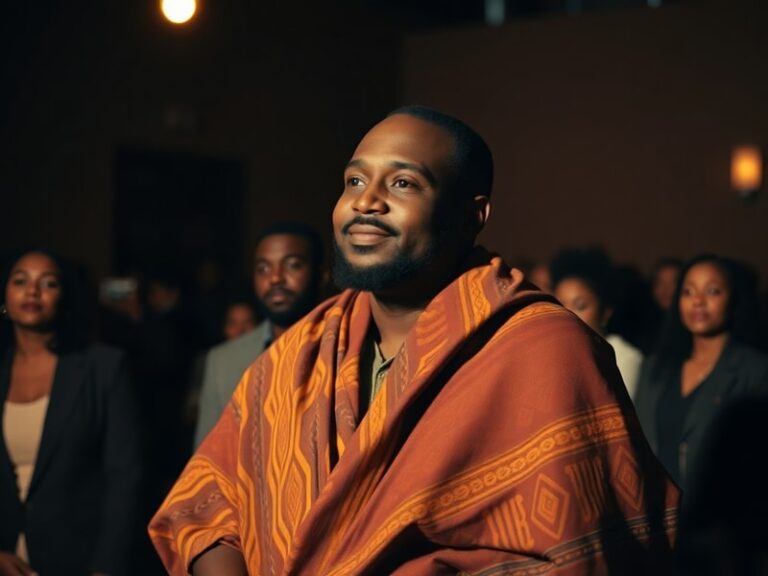
Salvador is often called the “Black Rome” for its deep ties to African traditions. Over 80% of the city’s population identifies as Black or mixed-race, a reflection of the transatlantic slave trade that brought millions of Africans to Brazil. This history is celebrated in the city’s cultural expressions, from the cultural festivals that draw thousands to the everyday rhythms of life in the streets.
The most iconic of these traditions is capoeira, a martial art disguised as dance, born from the resistance of enslaved Africans. Salvador’s capoeira schools are legendary, with mestre Pastinha’s academy in Pelourinho serving as a pilgrimage site for practitioners worldwide. The city’s capoeira circles, or rodas, are open to all, blending physical prowess with musical storytelling.
Music is another cornerstone of Salvador’s cultural identity. The city is the birthplace of samba-reggae, a genre that emerged in the 1980s from the Black pride movements of the time. Bands like Olodum and Timbalada turned the streets into stages, their percussive beats echoing through the neighborhoods of Liberdade and Itapuã. Today, these rhythms are inseparable from Carnival, the city’s most famous export.
Carnival: A Five-Day Spectacle of Sound and Color
Carnival in Salvador is second only to Rio’s in scale but unmatched in its spontaneity. Unlike Rio’s samba parades, Salvador’s Carnival is a street party where trios elétricos—mobile sound trucks decked in neon—lead processions of revelers. The biggest names in Brazilian music perform atop these trucks, their lyrics blasting across the crowds as thousands dance in sync.
The event is divided into blocos, or informal groups, each with its own theme and soundtrack. Some, like the Bloco da Baronesa, are intimate gatherings in historic squares, while others, like Pipoca Preta, draw tens of thousands into the streets. The energy is infectious, a fusion of joy, resistance, and collective memory.
For visitors, Carnival offers a chance to experience Salvador’s soul up close. Yet, it’s also a logistical challenge, with hotels booked years in advance and streets closed for days. The city’s infrastructure strains under the weight of millions of visitors, but the trade-off is undeniable: a week where Salvador’s identity is on full display.
Architecture and Urbanism: A City of Layers
Salvador’s architecture tells the story of its layered history. The upper city, or cidade alta, is home to the colonial core, where Baroque churches like São Francisco, adorned with gold leaf, stand as monuments to Portugal’s wealth. The lower city, or cidade baixa, was the commercial hub, its warehouses and docks once the lifeblood of the colony.
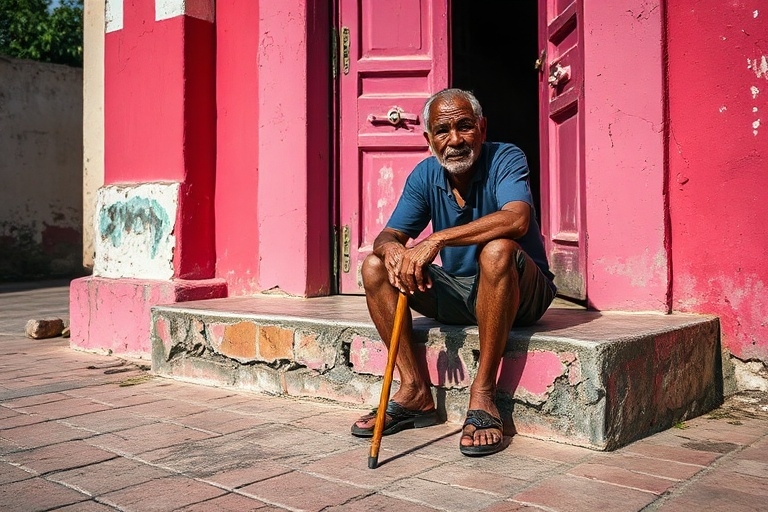
But Salvador’s urban fabric is also a story of inequality. The contrast between Pelourinho’s restored facades and the informal settlements of the favelas is stark. Neighborhoods like Calabar and Nordeste de Amaralina are vibrant communities, rich in culture but lacking in infrastructure. Efforts to revitalize the city center have displaced some residents, raising questions about who benefits from tourism and preservation.
Urban planning in Salvador is a balancing act. The city’s hilly terrain complicates development, while its coastal location makes it vulnerable to flooding and erosion. Projects like the Porto de Salvador redevelopment aim to modernize the waterfront, but critics argue they prioritize commercial interests over community needs.
The Role of Public Spaces
Public spaces in Salvador are more than just gathering points; they are stages for the city’s cultural life. The Elevador Lacerda, connecting the upper and lower cities, is an engineering marvel and a symbol of Salvador’s duality. Its art deco design contrasts with the colonial buildings it overlooks, a visual reminder of the city’s evolution.
Parks like Parque da Cidade offer a respite from the urban chaos, with trails winding through Atlantic Forest remnants. Meanwhile, the Farol da Barra, a 17th-century lighthouse, provides panoramic views of the bay, where fishing boats still set out at dawn. These spaces are essential for both locals and visitors, offering glimpses into Salvador’s natural and built environments.
Culinary Traditions: A Feast for the Senses
Salvador’s cuisine is a direct line to its African roots. Dishes like moqueca—a fragrant seafood stew cooked in coconut milk and dendê oil—are staples of Bahian cooking. The use of dendê, a palm oil brought from Africa, is a defining feature of the local palate, lending dishes a rich, earthy flavor.
The city’s street food scene is equally compelling. Acarajé, a deep-fried black-eyed pea fritter stuffed with shrimp and spicy paste, is sold by baianas dressed in traditional white lace and turbans. These women, often descendants of enslaved Africans, are the guardians of Salvador’s culinary heritage. Their stalls, found in markets like Mercado Modelo, are a must-visit for any food lover.
Sweet treats also play a role in Salvador’s food culture. Cocada, a coconut candy, and bolo de rolo, a rolled cake, are popular desserts. Meanwhile, cafezinho, a strong Brazilian coffee, is served everywhere, from upscale restaurants to street corners.
Where to Eat in Salvador
For those eager to explore Salvador’s food scene, here are a few standout spots:
- Restaurante Yemanjá – A no-frills eatery famous for its moqueca and other Bahian classics.
- Casa de Tereza – A cozy restaurant offering a modern take on traditional dishes.
- Bar do França – A historic spot for moqueca de siri (crab stew) and cold beer.
- Sorriso da Dadá – A casual café known for its tapioca (crepes made from cassava flour) and tropical juices.
Salvador’s culinary scene is more than just food; it’s a cultural experience. The act of sharing a meal here is an invitation to connect with the city’s history and people.
Challenges and Opportunities
Despite its cultural riches, Salvador faces significant challenges. Crime rates, particularly in poorer neighborhoods, remain a concern. The city’s homicide rate has fluctuated over the years, with gang violence and police corruption often cited as root causes. Efforts to improve security, such as the Salvador Seguro program, have had mixed results.
Economic inequality is another pressing issue. While tourism brings in revenue, it doesn’t always trickle down to local communities. Informal workers, many of them women, rely on the city’s cultural economy but lack access to formal employment. Initiatives like the Feira de São Joaquim, a bustling market, provide livelihoods but also highlight the need for broader economic reforms.
Yet, Salvador’s resilience is evident in its grassroots movements. Organizations like Revolta da Chibata use art and activism to address social issues, while local entrepreneurs are finding innovative ways to preserve cultural heritage. The city’s universities, including the Federal University of Bahia, are hubs for research and debate on these topics.
The Future of Salvador
The path forward for Salvador is complex. Balancing preservation with progress, tradition with innovation, and tourism with equity will require thoughtful leadership. The city’s recent designation as a UNESCO Creative City for Music is a step in the right direction, recognizing its cultural contributions on a global stage.
For visitors, Salvador offers an unparalleled journey into Brazil’s soul. For locals, it’s a daily negotiation between the past and the future. Whether exploring Pelourinho’s alleys, dancing in a Carnival bloco, or savoring a plate of moqueca, one thing is clear: Salvador’s spirit is as enduring as its history.
The city invites us to look deeper, to see beyond the stereotypes and discover the layers that make it truly unique. In a world of fleeting trends, Salvador stands as a reminder of the power of culture to shape identity, resist oppression, and celebrate life.