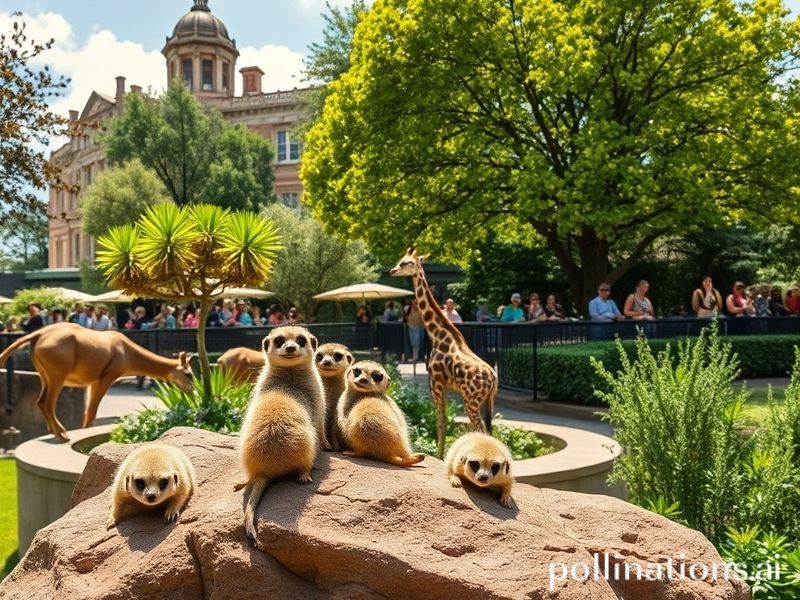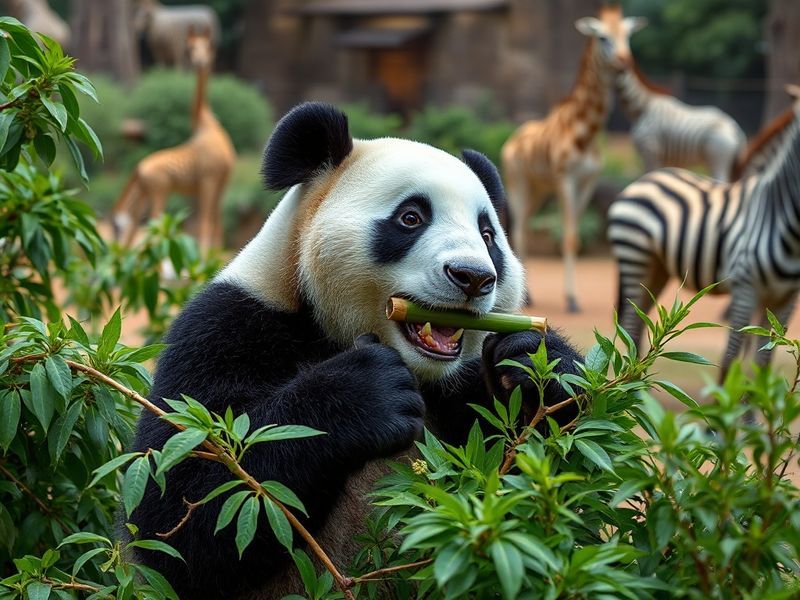
The Smithsonian National Zoo, established in 1889, stands as one of the oldest and most respected zoological parks in the United States. Located in Washington, D.C., the zoo spans 163 acres and is home to over 2,700 animals representing 390 species. Beyond its role as a public attraction, the zoo functions as a critical hub for wildlife conservation, scientific research, and education. Its commitment to sustainability and species preservation has made it a model for modern zoological institutions worldwide.
The zoo’s origins trace back to a donation of animals from the Washington, D.C., community, which were initially housed on the National Mall. Over the decades, the zoo expanded, relocating to its current site in Rock Creek Park in 1891. Today, it remains a free-admission institution, welcoming millions of visitors each year while maintaining its mission to protect endangered species and promote biodiversity.
Conservation Programs: Protecting Species on the Brink
The Smithsonian National Zoo is renowned for its conservation initiatives, particularly its work with species facing extinction. The zoo participates in over 40 Species Survival Plans (SSPs), which are cooperative breeding and management programs designed to maintain genetically diverse and self-sustaining populations of endangered species. These efforts are critical for species like the giant panda, golden lion tamarin, and Sumatran tiger, all of which have benefitted from the zoo’s breeding programs.
One of the zoo’s most celebrated conservation successes involves the golden lion tamarin, a small, endangered primate native to Brazil’s Atlantic Forest. Through collaborative efforts with Brazilian conservationists, the zoo has helped reintroduce these tamarins to their natural habitat, increasing their wild population from fewer than 200 in the 1970s to over 3,000 today. This achievement underscores the zoo’s role as a leader in global conservation.
The zoo’s conservation work extends beyond breeding programs. Its Smithsonian Conservation Biology Institute (SCBI), located in Front Royal, Virginia, conducts cutting-edge research on wildlife health, reproduction, and ecology. Scientists at SCBI study everything from disease transmission in wild populations to the impacts of climate change on endangered species. Their findings inform conservation strategies worldwide, demonstrating the zoo’s broader impact beyond its gates.
Notable Conservation Successes
- Frozen Zoo: A genetic resource containing viable cell cultures, tissues, and DNA from over 1,000 species. These samples are used for research and potential future reintroduction efforts.
- Przewalski’s Horse: The zoo played a key role in reintroducing this wild horse species to its native habitat in Mongolia after it was declared extinct in the wild.
- Amphibian Conservation: The zoo’s amphibian conservation program focuses on species like the Panamanian golden frog, which has been decimated by the chytrid fungus.
Architectural and Natural Wonders: A Walk Through the Zoo
The Smithsonian National Zoo is not just a place for conservation—it’s also an architectural and natural marvel. The zoo’s design seamlessly blends historic structures with modern habitats that prioritize animal welfare. One of its most iconic features is the Great Cats habitat, which houses lions, tigers, and cheetahs in expansive, naturalistic enclosures. The habitat includes elevated viewing areas and underwater viewing tunnels, providing visitors with immersive experiences while ensuring the animals’ comfort.
The zoo’s Asia Trail, a 1.5-mile loop, showcases species native to Asia, including clouded leopards, fishing cats, and red pandas. The trail is designed to mimic the animals’ natural environments, with features like streams, rocky outcrops, and dense vegetation. This attention to detail enhances both the animals’ well-being and visitors’ understanding of their habitats.
Another highlight is the Amazonia exhibit, which transports visitors to the rainforests of South America. The exhibit features a two-story, 3,200-square-foot indoor rainforest with free-flying birds, amphibians, and fish. The immersive environment allows visitors to observe species like the harpy eagle and the golden poison frog up close, fostering a deeper appreciation for these ecosystems.
Historic and Architectural Landmarks
- Fountain Pavilion: Built in 1931, this Beaux-Arts-style building served as the zoo’s first restaurant and remains a popular gathering spot.
- Bird House: Constructed in 1928, this historic structure was one of the first buildings designed specifically for avian exhibits.
- Elephant House: Completed in 1962, this modernist building was one of the first to prioritize the psychological well-being of its inhabitants with spacious, naturalistic enclosures.
Education and Community Engagement: Inspiring the Next Generation
Education has always been a cornerstone of the Smithsonian National Zoo’s mission. Each year, the zoo hosts over 1 million visitors, including school groups, families, and international tourists. Its educational programs cater to all ages, from preschoolers to adults, and cover topics like biodiversity, climate change, and conservation ethics. The zoo’s educators use interactive exhibits, live animal encounters, and behind-the-scenes tours to engage visitors and foster a deeper connection to wildlife.
One of the zoo’s most impactful educational initiatives is its conservation education program, which provides resources for teachers and students. The program includes curriculum guides, virtual field trips, and professional development workshops for educators. These resources align with national science standards and aim to inspire the next generation of conservationists.
The zoo also offers specialized programs for teens and adults, such as the Wildlife Conservation Leaders initiative. This program empowers young adults to take action in their communities by participating in citizen science projects, advocacy campaigns, and habitat restoration efforts. By involving local communities, the zoo amplifies its impact and fosters a culture of conservation beyond its grounds.
The Zoo’s Future: Sustainability and Innovation
As the Smithsonian National Zoo looks to the future, it is embracing sustainability and innovation to reduce its environmental footprint. The zoo has implemented a range of green initiatives, including solar panel installations, water conservation systems, and waste reduction programs. These efforts not only benefit the environment but also serve as educational tools for visitors, demonstrating how small changes can make a big difference.
Innovation is also driving the zoo’s conservation strategies. For example, the zoo is exploring the use of drone technology to monitor wildlife populations in remote areas. Additionally, its researchers are studying the effects of climate change on animal behavior, using data to inform conservation plans. These forward-thinking approaches ensure that the zoo remains at the forefront of wildlife protection.
The zoo’s commitment to sustainability extends to its animal care practices. The Nutrition Science Program, for instance, focuses on developing balanced diets for animals that mimic their natural feeding habits. This not only improves their health but also reduces the environmental impact of food production. Such initiatives highlight the zoo’s holistic approach to conservation, where every aspect of its operations contributes to its mission.
Key Sustainability Initiatives
- Solar Energy: The zoo has installed solar panels across its facilities, generating clean energy and reducing its carbon footprint.
- Water Conservation: Rainwater harvesting systems and low-flow fixtures help minimize water usage throughout the zoo.
- Zero Waste: The zoo aims to divert 90% of its waste from landfills through recycling, composting, and waste reduction programs.
- Green Building: New habitats are designed with energy-efficient materials and sustainable construction practices.
Conclusion: A Legacy of Conservation and Education
The Smithsonian National Zoo is more than just a place to see animals—it is a living laboratory dedicated to the preservation of wildlife and the education of future generations. From its historic roots to its cutting-edge conservation programs, the zoo exemplifies the power of science, community engagement, and sustainability. As it continues to innovate and adapt, the zoo remains a beacon of hope for endangered species and a testament to the importance of protecting our planet’s biodiversity.
For visitors, the zoo offers an opportunity to connect with nature and learn about the challenges facing wildlife today. For scientists, it provides a platform for groundbreaking research. And for the global community, it serves as a reminder of our shared responsibility to safeguard the natural world. The Smithsonian National Zoo’s legacy is one of conservation, education, and inspiration—a legacy that will endure for generations to come.