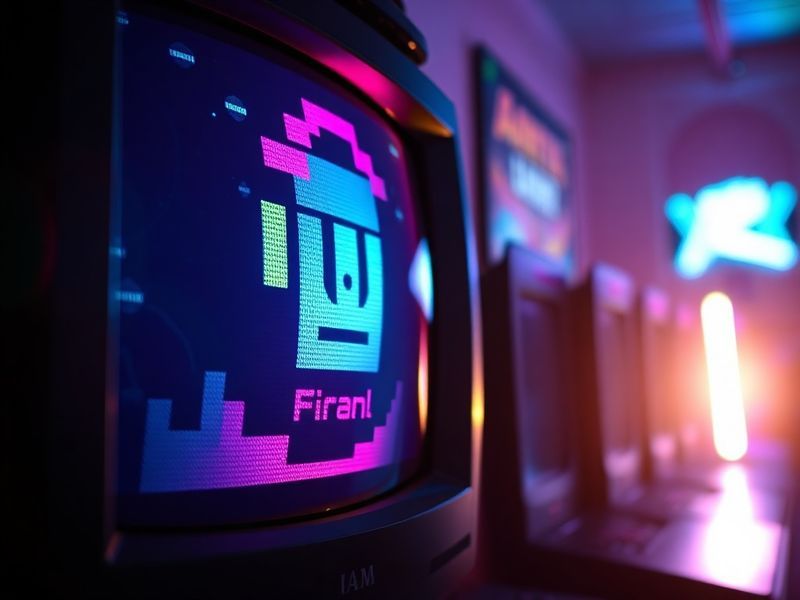
In the ever-evolving landscape of digital design, one trend has quietly but powerfully reclaimed its place in the spotlight: pixel glow. This nostalgic yet fresh aesthetic bridges the gap between retro gaming and contemporary visual art, creating a distinct visual language that resonates across industries from gaming to fashion.
The pixel glow effect—characterized by soft, luminous pixels that seem to emit their own light—first emerged from the limitations of early computer and video game graphics. Today, it has transcended its origins, becoming a deliberate stylistic choice that evokes warmth, memory, and digital craftsmanship. But why has this decades-old technique found new life in an era dominated by hyper-realistic 3D rendering and AI-generated images?
The Rise of Pixel Glow in Digital Media
Pixel glow isn’t just a visual quirk; it’s a cultural signal. The effect gained prominence in the indie game scene during the late 2010s, as developers sought to differentiate their projects from the polished, photorealistic titles dominating the market. Games like Stardew Valley, Celeste, and Undertale leveraged pixel art with subtle glow effects to create inviting, emotionally resonant worlds.
This revival didn’t happen in a vacuum. The growth of retro-inspired platforms like the Nintendo Switch, which embraced pixel art through games like Shovel Knight and Octopath Traveler, played a crucial role. Players and creators alike began to associate pixel glow with authenticity—a rejection of the cold precision of modern CGI in favor of the handcrafted imperfections of digital nostalgia.
Key Characteristics of Pixel Glow Aesthetics
- Soft Edges: Unlike crisp vector graphics, pixel glow relies on slightly blurred or feathered edges to simulate the diffusion of light.
- Limited Color Palettes: Drawing from the constraints of 8-bit and 16-bit systems, designers often use muted or pastel hues to enhance the glow effect.
- Layered Lighting: The glow is typically layered over flat colors, creating depth without sacrificing the flat, graphic quality of pixel art.
- Subtle Animation: The glow may pulse gently or respond to player interaction, adding a dynamic but unobtrusive layer of interactivity.
These elements combine to create a visual style that feels both retro and futuristic—a paradox that has made pixel glow particularly appealing in immersive media like VR and augmented reality, where it can ground digital experiences in tactile, familiar aesthetics.
Beyond Gaming: Pixel Glow in Fashion, Film, and Design
The influence of pixel glow isn’t confined to the gaming world. In fashion, brands like Gucci and Balenciaga have experimented with pixelated prints and glowing embellishments, blending streetwear with digital nostalgia. These designs often reference early computer graphics, transforming the blocky, low-resolution look of the ’80s and ’90s into high-fashion statements.
Film and animation have also embraced pixel glow. Directors like Michel Gondry and studios like A24 have used the effect in music videos and films to evoke a sense of dreamlike artificiality. For example, the 2021 animated film Luca employed subtle pixel glow in its underwater scenes, creating a surreal, glowing depth that traditional animation couldn’t achieve.
Even in product design, companies are incorporating pixel glow into interfaces and packaging. Smart home devices and mobile apps now use glowing pixel elements to guide users through digital interactions, making interfaces feel more intuitive and less intimidating. The effect taps into a universal recognition of pixels as symbols of technology itself, even when used in non-gaming contexts.
The Psychology Behind the Glow
Why does pixel glow resonate so deeply? The answer may lie in its psychological associations. Studies on nostalgia marketing suggest that retro aesthetics trigger positive emotions by reminding viewers of simpler times. Pixel glow, with its roots in childhood gaming and early computing, evokes memories of exploration and discovery.
Additionally, the glow effect subconsciously signals warmth and safety. In nature, bioluminescent organisms emit soft glows to attract or warn others. Pixel glow replicates this effect in digital spaces, making interfaces feel more approachable and less sterile. This is particularly valuable in an era where digital fatigue is increasingly common—users crave experiences that feel human rather than machine-generated.
Cognitive load theory also plays a role. The limited color palettes and simplified shapes of pixel glow reduce visual complexity, making information easier to process. This is why the effect is so effective in user interfaces, where clarity and speed are paramount.
Future Implications: Where Pixel Glow Is Headed Next
The trajectory of pixel glow suggests it will continue to evolve rather than fade. As AI-generated art becomes more prevalent, the handcrafted imperfections of pixel glow offer a refreshing counterpoint. Designers are already experimenting with generative pixel art, where algorithms create dynamic, glowing pixel animations in real time.
In virtual and augmented reality, pixel glow could redefine immersion. Imagine exploring a virtual city where buildings emit a soft pixel glow, or attending a concert in the metaverse where the stage is lit with retro-futuristic lighting. The effect could bridge the gap between digital and physical spaces, creating hybrid aesthetics that feel both futuristic and nostalgic.
There’s also potential for pixel glow in education. Interactive learning platforms could use the style to make complex subjects like coding or physics more accessible. A glowing pixel representation of a molecule, for example, might help students visualize atomic structures in a way that feels intuitive and engaging.
The trend’s longevity will depend on its ability to adapt. As technology advances, pixel glow may incorporate new techniques—like dynamic resolution scaling or real-time lighting—to maintain its relevance. Yet its core appeal—nostalgia, simplicity, and warmth—will likely ensure its place in the visual lexicon for years to come.
Conclusion
Pixel glow is more than a stylistic throwback; it’s a testament to the enduring power of nostalgia in design. By blending retro aesthetics with modern techniques, it offers a middle ground between the cold precision of contemporary digital art and the warmth of personal memory. As industries from gaming to fashion continue to explore its possibilities, pixel glow will likely become an even more integral part of our visual culture.
For designers and creators, the lesson is clear: sometimes, the most innovative ideas are those that revisit the past with fresh eyes. Pixel glow proves that what was once a limitation can become a strength—and that the glow of nostalgia can illuminate the future.