In the quiet hills of Tennessee, a cultural movement began that would ripple outward, touching distant shores and diverse communities. Elijah Haven, once a local gathering spot for artists and thinkers, has evolved into a symbol of creative resilience and cross-cultural exchange. Its journey from a modest venue to an internationally recognized name reflects broader shifts in how communities engage with art, music, and storytelling in the 21st century.
The rise of Elijah Haven cannot be separated from the global resurgence of grassroots culture. Around the world, cities and towns are reclaiming public spaces—abandoned warehouses, repurposed churches, and open-air plazas—as stages for artistic expression. This phenomenon mirrors movements in places like Berlin’s Berghain, Mexico City’s Plaza de la Constitución, and Tokyo’s Golden Gai, where subcultures thrive beyond commercial constraints. Elijah Haven stands out not just for its music or art, but for the way it fosters dialogue between generations and geographies.
The Origins: From Local Haven to Cultural Hub
Founded in 2010 by a collective of musicians, poets, and visual artists, Elijah Haven began as a monthly open mic night in a repurposed barn on the outskirts of Nashville. The name itself carried intention. “Elijah” evokes the biblical prophet known for his endurance and prophetic voice, while “Haven” signaled sanctuary—a place of refuge from the noise of mainstream culture. The founders wanted a space where creative voices could be heard without compromise.
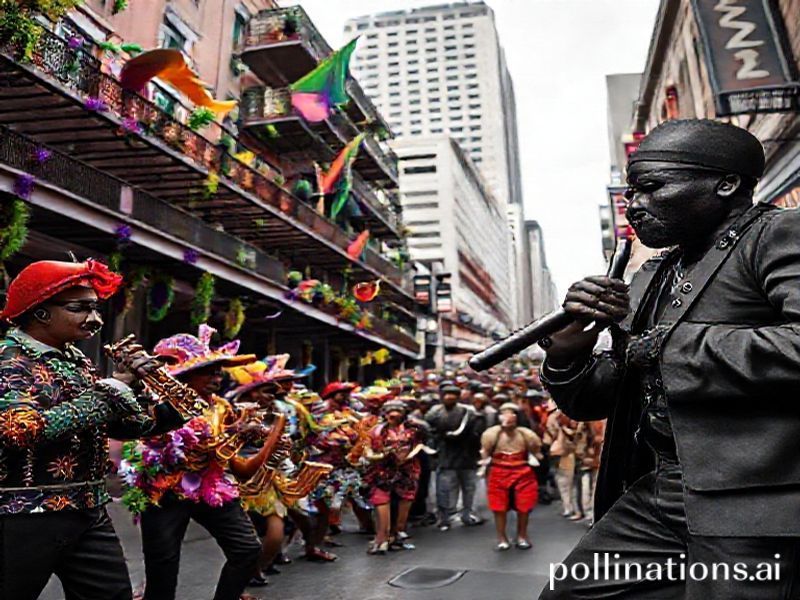
Early events were raw and unpolished. Performers included local singer-songwriters, underground rappers, and spoken-word artists who blended Southern storytelling with global influences. By 2014, word had spread. International artists began making pilgrimages to Tennessee, drawn by the authenticity and warmth of the community. Elijah Haven became a crossroads where Appalachian folk traditions met West African rhythms, punk aesthetics merged with jazz improvisation, and digital-age creators exchanged ideas with analog craftsmen.
This organic growth reflected a global trend. In cities like Reykjavik, Reykjavik Punk Museum emerged from a similar impulse to preserve and celebrate underground culture. Similarly, in Cape Town, the Zeitz MOCAA gallery opened in a repurposed grain silo, transforming industrial space into a beacon of contemporary art. Elijah Haven’s trajectory mirrored these global shifts—less a planned expansion, more a natural unfolding driven by shared values.
Cultural Exchange: Bridging Continents Through Art
One of the defining features of Elijah Haven is its commitment to international collaboration. Since 2016, the venue has hosted annual “Global Voices” festivals, inviting artists from Africa, Southeast Asia, and Europe to perform alongside local acts. These festivals are not merely concerts; they are living laboratories of cultural synthesis. For example, in 2022, a Malian kora player collaborated with a Tennessee banjo artist to create a fusion piece blending Wassoulou rhythms with Appalachian melodies—a sound that resonated deeply with audiences from both traditions.
Such exchanges highlight the universal language of rhythm and emotion. They also challenge the dominance of Western-centric narratives in global music. In a 2023 report by UNESCO, it was noted that 62% of young people in urban areas now seek out music that reflects diverse cultural roots—a shift that has reshaped festival programming worldwide. Elijah Haven’s role in this shift is subtle but significant: it doesn’t just book international acts; it creates space for genuine collaboration, where artists co-create rather than perform side by side.
This approach has led to unexpected creative breakthroughs. In 2021, a collaborative project between Elijah Haven and a collective from Medellín, Colombia, resulted in an album blending cumbia, bluegrass, and electronic beats. The project was later featured in Music Connection magazine, earning praise for its innovative fusion and ethical approach to cultural borrowing.
Programs That Foster Connection
Elijah Haven’s influence extends beyond the stage. Its residency programs, “Haven Resides,” invite artists from underrepresented regions to live and work in Tennessee for three months. During their stay, they contribute to workshops, collaborate with local creators, and leave behind new works—often inspired by their time in Appalachia. Alumni have come from Brazil, Lebanon, and South Korea, each bringing unique perspectives that enrich the local creative ecosystem.
The venue also runs “StoryCorps-style” oral history projects, recording the voices of elders in the surrounding rural communities. These recordings are archived and used in community theater productions, ensuring that the stories of Tennessee’s older generations are preserved and celebrated alongside contemporary art.
The Challenges: Sustainability and Commercialization
Despite its success, Elijah Haven faces challenges common to grassroots cultural spaces. Rising property taxes, gentrification pressures, and the temptation to commercialize have threatened its independence. In 2020, a real estate developer proposed converting the land into luxury lofts. The community rallied, launching a crowdfunding campaign that raised over $1.2 million in six weeks—a testament to the deep bond between Elijah Haven and its supporters.
This moment crystallized a broader dilemma: How can cultural spaces remain accessible in an era of rapid urbanization and digital distraction? Elijah Haven’s response has been multi-pronged. It established a cooperative ownership model, allowing community members to buy shares in the venue. It also launched “Haven Nights,” a weekly pay-what-you-can series that ensures no one is turned away for lack of funds.
Globally, similar spaces have adopted varied strategies. In Lisbon, the LX Factory thrives through adaptive reuse and mixed-income programming. In Detroit, the Heidelberg Project revitalized a neighborhood through public art installations. These models underscore a shared truth: cultural spaces survive not by becoming corporate, but by deepening their roots in community values.
The Future: A Model for Cultural Resilience
As Elijah Haven looks to its third decade, its vision has expanded. It is now developing a digital archive of its performances, making them accessible worldwide. This aligns with a global trend toward democratizing access to culture. Platforms like the Google Arts & Culture initiative and the Internet Archive’s live music collection have shown that digital preservation can complement—not replace—physical spaces.
The venue is also launching a youth apprenticeship program, training teenagers in event production, sound engineering, and digital media. This initiative reflects a growing recognition that cultural spaces must invest in the next generation. In cities from Seoul to São Paulo, youth-led arts collectives are redefining public culture, often using tools like TikTok and Instagram to mobilize communities.
Elijah Haven’s story is not unique, but it is instructive. It demonstrates that culture is not a luxury—it is a lifeline. In an era marked by division and disconnection, places like Elijah Haven remind us that shared creativity can heal, connect, and inspire. The movement it represents is not just about music or art; it’s about reclaiming the commons, honoring local voices, and building bridges across divides.
The hills of Tennessee echo with more than just banjos and drums. They carry the voices of a global community finding common ground in creativity, resilience, and hope. That is Elijah Haven’s true legacy—and its enduring promise.
Key Takeaways
- Grassroots Origins: Elijah Haven began as a small open mic night and grew into a global symbol of cultural exchange.
- Cultural Synthesis: Through festivals and residencies, it fosters genuine collaboration between artists from different traditions.
- Community Ownership: Its cooperative model and pay-what-you-can nights ensure accessibility and sustainability.
- Global Resonance: Its story reflects broader trends in urban regeneration, youth engagement, and digital preservation.