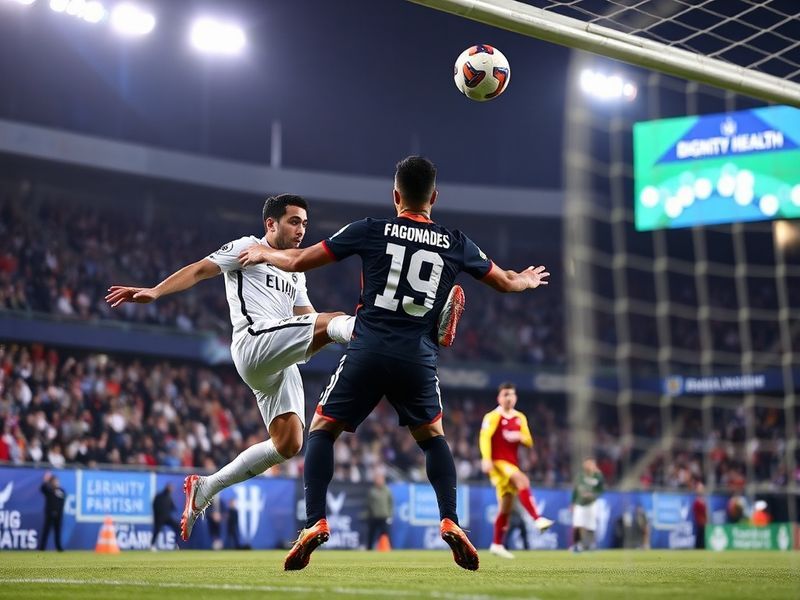
The LA Galaxy and FC Dallas have built a rivalry that stretches back over three decades, marked by high-stakes matches, dramatic comebacks, and moments that define Major League Soccer. While not always the most storied fixture in the league, their head-to-head encounters consistently deliver intensity, tactical battles, and a showcase of the league’s evolution. This rivalry isn’t just about points—it’s about pride, playoff positioning, and the growing influence of West Coast versus Central Texas soccer culture.
Since their first meeting in 1996, the two clubs have faced off over 70 times, with the Galaxy holding a historical edge. Yet, FC Dallas has often played the spoiler, delivering upsets that ripple through the standings. Their meetings are rarely one-sided. Whether at StubHub Center or Toyota Stadium, these games carry weight that extends beyond the final whistle.
The History Behind the Teams
The LA Galaxy entered MLS as a founding member in 1996, immediately positioning themselves as a powerhouse with the arrival of international stars like Cobi Jones and Mauricio Cienfuegos. Over the years, the Galaxy became synonymous with success, winning five MLS Cups, including back-to-back titles in 2011 and 2012 with stars like Landon Donovan and Robbie Keane leading the charge.
FC Dallas, meanwhile, joined the league in the same year but took a different path. Known initially as the Dallas Burn, the club rebranded in 2005 and became a model of consistency under the guidance of figures like Schellas Hyndman and later Oscar Pareja. Though they’ve never claimed an MLS Cup, Dallas has been a perennial playoff contender, reaching the MLS Cup Final in 2010 and producing homegrown talents like Clint Dempsey, Weston McKennie, and Ricardo Pepi.
This contrast—Galaxy’s star power and trophy count versus Dallas’ resilience and development ethos—adds texture to their rivalry. It’s not just about who has more hardware; it’s about philosophies clashing on the field.
Key Moments in the Rivalry
Several matches stand out in the lore of LA Galaxy vs FC Dallas:
- 2005 MLS Cup Playoffs – Western Conference Semifinal: The Galaxy defeated Dallas 4-2 on aggregate, but the series was marred by controversy after Galaxy forward Carlos Ruiz was sent off in the second leg for an altercation with Dallas defender Duilio Davino.
- 2010 MLS Cup Final Preview – A Shot at Redemption: Though Dallas fell to Colorado in the final, their run included a 2-1 win over the Galaxy in the conference semifinals, signaling their rise as legitimate contenders.
- 2019 Leagues Cup Semifinal – A High-Stakes Showcase: The Galaxy defeated Dallas 3-2 at home, with Zlatan Ibrahimović scoring a late winner, showcasing the individual brilliance that often defines this fixture.
- 2022 Regular Season – A 4-0 Thrashing: The Galaxy dismantled Dallas 4-0 at home, with Javier Hernández scoring a hat trick, a result that highlighted the disparity in attacking talent at the time.
These matches aren’t just fixtures—they’re chapters in a story of ambition, frustration, and fleeting glory.
Tactical and Cultural Contrasts
The LA Galaxy have long been associated with a direct, possession-based style under managers like Bruce Arena and Dominic Kinnear, leveraging technical midfielders and creative wingers. Their approach is built on control, patient buildup, and clinical finishing—hallmarks of a team that expects to win.
FC Dallas, in contrast, has often embraced a more pragmatic, counterattacking system. Under Oscar Pareja, they emphasized pressing, quick transitions, and exploiting spaces behind high defensive lines. This style reflects their identity as a team that punches above its weight, often overperforming expectations.
Culturally, the two clubs represent different soccer identities. The Galaxy are a global brand, drawing stars from Europe and Latin America, while Dallas has leaned into its connection to Texas soccer, producing talent from its academy and fostering a family-like atmosphere at Toyota Stadium. The contrast between Hollywood glamour and Texas grit adds another layer to their rivalry.
What’s at Stake in the Modern Era
As MLS continues to grow, the LA Galaxy vs FC Dallas rivalry takes on new significance. With the expansion of the playoffs and the introduction of formats like the Leagues Cup, every match carries implications for postseason positioning and continental competition.
The Galaxy, despite recent struggles, remain one of the league’s marquee franchises, capable of signing world-class talent and drawing massive crowds. Dallas, meanwhile, has positioned itself as a consistent contender, with a strong academy and a clear development pathway. Their meetings are no longer just about pride—they’re about legacy.
For fans, these games offer a chance to witness elite talent in action. For the league, they provide a narrative of two distinct paths to success. And for the players, it’s an opportunity to etch their names into a rivalry that, while not as historic as Sounders vs Timbers, is deeply felt in their respective fanbases.
The Fan Experience: From StubHub to Toyota Stadium
Attending a Galaxy match at Dignity Health Sports Park or a Dallas game at Toyota Stadium is to experience two distinct atmospheres. The Galaxy’s home games often feature a mix of Hollywood celebrities, corporate executives, and die-hard soccer fans, creating a polished but electric environment. The club’s connection to LA’s diverse culture ensures a vibrant pre-match scene, with food trucks, fan zones, and interactive experiences.
At Toyota Stadium, the vibe is different. The stadium, located in Frisco, Texas, just outside Dallas, is known for its intimate setting and passionate supporters. The “Frisco Faithful” and groups like the “Hoops Nation” bring energy that’s raw and unfiltered. The tailgating culture is a staple, with fans grilling and socializing hours before kickoff. It’s soccer with a small-town Texas twist—loud, proud, and unapologetic.
These contrasting experiences reflect the broader divide between West Coast and Central Texas soccer cultures. One is urban and cosmopolitan; the other is regional and community-driven. Yet both contribute to the richness of MLS.
The Rivalry’s Broader Impact on MLS
The LA Galaxy vs FC Dallas rivalry, while not the most storied in MLS, plays a crucial role in the league’s narrative. It highlights the diversity of styles and cultures within the league, proving that success doesn’t come from a single blueprint. In an era where MLS is pushing for greater global recognition, rivalries like this one provide compelling storylines that attract casual fans and media attention.
Moreover, the rivalry underscores the importance of regional identities in soccer. Unlike European leagues where clubs are tied to cities for centuries, MLS teams often represent metropolitan areas with complex cultural landscapes. The Galaxy and FC Dallas embody this dynamic, offering fans a sense of belonging and pride.
As the league expands into markets like San Diego and Las Vegas, the lessons from this rivalry—about identity, competition, and fan engagement—will be invaluable. The Galaxy and FC Dallas aren’t just playing for points; they’re shaping the future of soccer in America.
Conclusion: Why This Rivalry Matters
The LA Galaxy vs FC Dallas rivalry may not have the history or intensity of other MLS fixtures, but it’s a microcosm of what makes the league special. It’s a clash of cultures, styles, and ambitions. It’s a reminder that soccer in America isn’t monolithic—it’s a tapestry woven from diverse threads.
For fans, these matches are a chance to be part of something bigger than themselves. For the players, it’s an opportunity to test their mettle against worthy opponents. And for the league, it’s proof that even in a crowded sports landscape, soccer can carve out its own space.
As MLS continues to evolve, the Galaxy and FC Dallas will remain central figures in its story. Their rivalry isn’t just about who wins or loses—it’s about the journey, the culture, and the shared passion that binds soccer communities together. And in a league defined by growth and ambition, that’s a story worth telling.
For more on the latest in MLS and soccer culture, visit Dave’s Locker Sports or explore deeper analysis at Dave’s Locker Analysis.