Sporting vs Benfica: The Lisbon Derby That Shapes Portuguese Football
“`html
Sporting CP and Benfica: The Lisbon Derby That Defines Portuguese Football
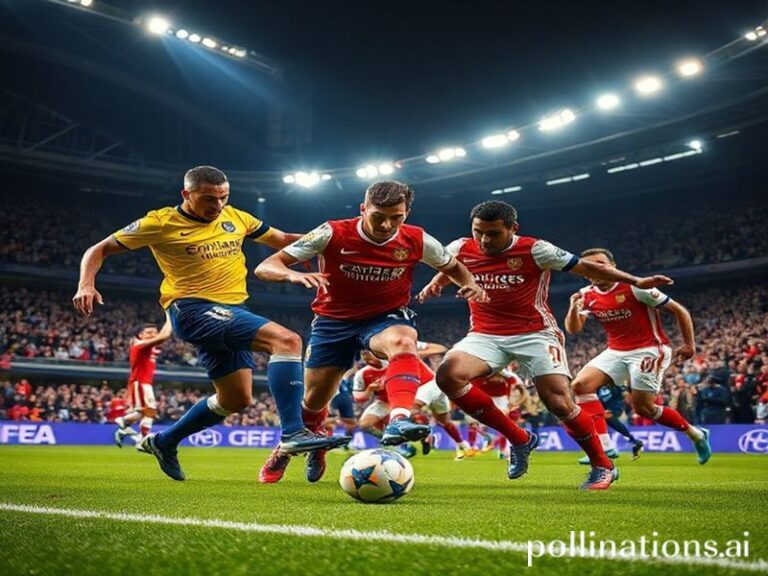
The Lisbon Derby isn’t just a football match—it’s a cultural institution. Every season, Sporting Clube de Portugal and Benfica lock horns in one of Europe’s most intense rivalries, drawing millions of viewers and shaping the identity of Portuguese football. This fixture transcends sport, reflecting Lisbon’s social and historical divides while showcasing the raw passion of Portuguese football culture.
The rivalry between Sporting CP and Benfica dates back to 1907, making it one of the oldest in world football. Both clubs were founded in the early 20th century, rooted in Lisbon’s elite social circles before evolving into mass-following institutions. Sporting, often associated with the city’s affluent neighborhoods, developed a reputation for nurturing talent through its famed academy. Benfica, on the other hand, emerged from working-class roots in Benfica parish, fostering a fiercely loyal fanbase that sees itself as the people’s club.
This duality—education versus grit, privilege versus perseverance—has fueled decades of tension. The clubs split the Portuguese league almost exclusively between them, with Porto occasionally breaking the duopoly. Yet it’s the Lisbon Derby that truly captures the soul of Portuguese football: a clash of philosophies, ambitions, and identities.
The Global Reach of the Derby
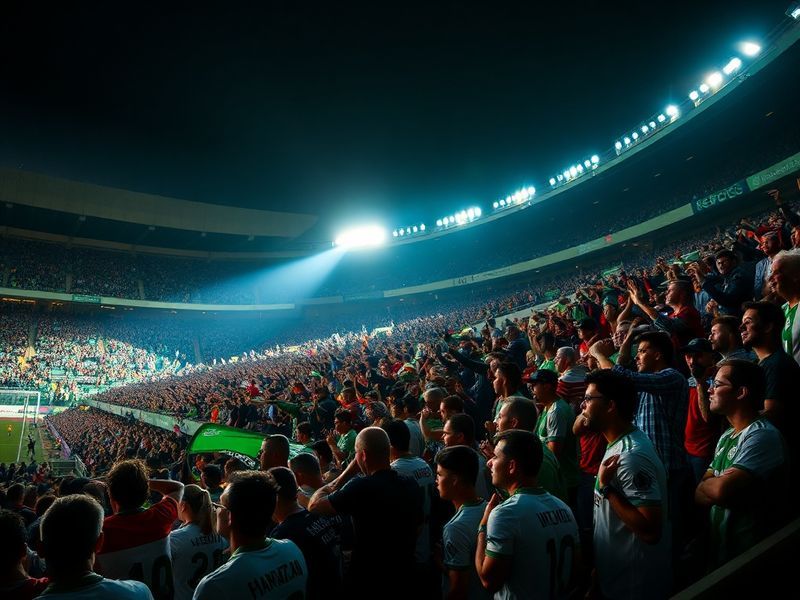
While the rivalry is deeply Portuguese, its influence extends far beyond Lisbon’s city limits. Portuguese expatriate communities around the world—from Paris to Toronto to Newark—gather in pubs and community centers to watch the derby. Satellite broadcasts reach audiences across Africa, Brazil, and former Portuguese colonies, where the clubs enjoy massive followings.
In Africa, Benfica is often seen as the more popular choice, thanks to historic connections during colonial times and the success of Portuguese coaches and players post-independence. Sporting, meanwhile, has cultivated a strong following in Brazil through youth development ties and the success of players like Fredy Montero and Matheus Nunes.
In Europe, the derby has gained visibility through UEFA competitions. While direct clashes in European tournaments are rare due to seeding rules, encounters in the Champions League or Europa League draw global attention. The prestige of facing a historic rival adds pressure and intensity, elevating performances on both sides.
Social media amplifies the global reach. Moments like Sporting’s dramatic 2–1 win in the 2021 Taça da Liga final or Benfica’s 4–0 thrashing in the 2023–24 league season go viral within hours, sparking debates among fans worldwide. The derby has become a contentious topic in online football forums, where Portuguese fans defend their clubs with near-religious fervor.
Tactics, Legends, and the Weight of History
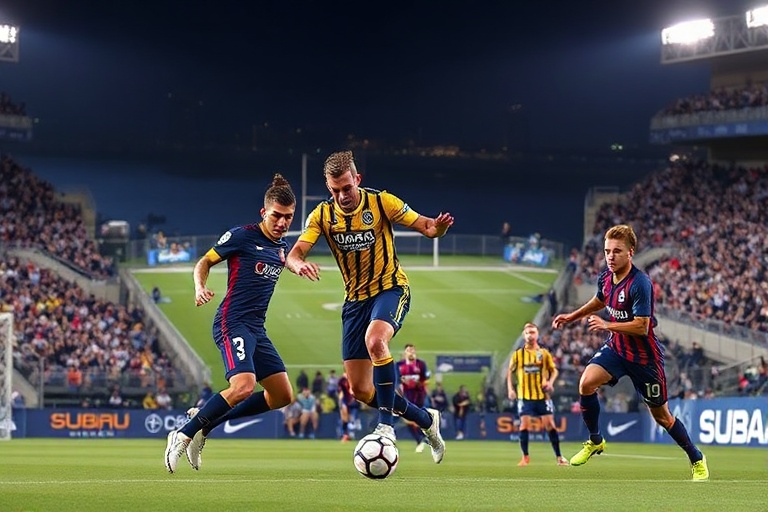
The Lisbon Derby is as much about tactics as it is about passion. Over the years, both clubs have adopted distinct styles that reflect their identities. Sporting, under managers like José Peseiro and Rúben Amorim, has emphasized technical possession, high pressing, and fluid attacking football. Their 3–4–3 formation became a signature, producing young stars like Pedro Gonçalves and Gonçalo Inácio.
Benfica, traditionally more pragmatic, has oscillated between defensive solidity and expansive attacking play. Coaches such as Jorge Jesus and Roger Schmidt have used deep blocks and rapid transitions to frustrate Sporting’s ambitions. The contrast in styles makes the derby unpredictable—sometimes a tactical masterclass, other times a chaotic, end-to-end spectacle.
The list of legendary players who have graced the derby reads like a who’s who of Portuguese football:
- Eusébio – Benfica’s iconic striker, scorer of four goals in a single derby in 1965
- Fernando Peyroteo – Sporting’s all-time top scorer, with 331 goals in 334 games
- José Águas – Benfica captain and father of Eusébio, known for his leadership
- Ricardo Quaresma – A flamboyant winger who played for both clubs and never hid his pride
- Bruno Fernandes – Emerged from Sporting’s academy before becoming a global star
These players didn’t just play the derby—they defined it. Their performances in the red-and-green or green-and-red stripes elevated the fixture into legend. The pressure is immense; one mistake can be remembered forever. For a young player, making their derby debut is a rite of passage.
Off the Pitch: Culture, Identity, and Controversy
The rivalry extends beyond the pitch into Lisbon’s social fabric. The clubs represent different facets of Portuguese society. Sporting is often linked to Lisbon’s northern, more affluent areas like Alvalade, where the modern stadium stands as a symbol of progress. Benfica’s stadium, the Estádio da Luz, sits in the parish of Benfica, a working-class area with deep community ties.
This geographical and social divide fuels friendly banter—and sometimes not-so-friendly rivalry. Local shops in Benfica display green-and-red merchandise; cafés in Alvalade ban red scarves from their walls. The derby isn’t just watched—it’s lived.
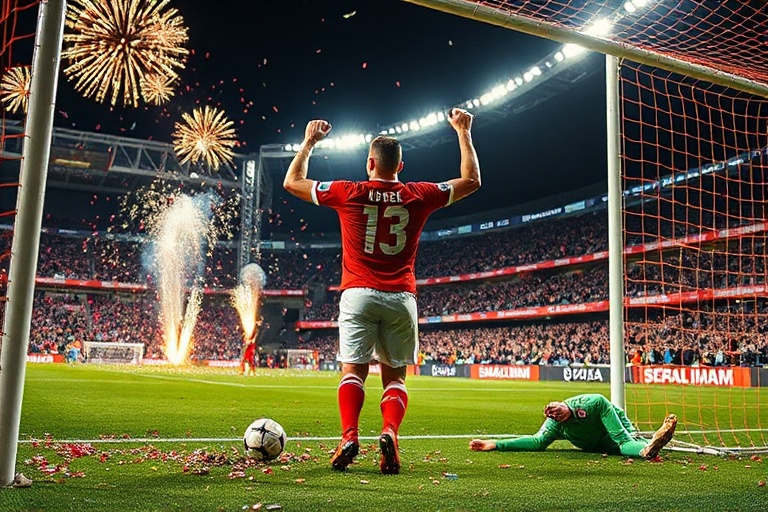
Controversy is never far away. From crowd incidents to refereeing disputes, the derby has seen its share of drama. In 2018, a Benfica fan invaded the pitch during a derby, sparking a league-wide debate on security. In 2023, a flare thrown onto the pitch led to a temporary suspension of play.
Politically, the clubs have been associated with different ideologies at times. Sporting has been linked to conservative values through its historical ties with the Estado Novo regime, while Benfica’s working-class roots have made it a symbol of resistance and meritocracy. These associations are debated, often nostalgically, but they add layers to the cultural narrative.
Why the Derby Matters Beyond Portugal
The Lisbon Derby is more than a local rivalry—it’s a microcosm of global football’s evolution. It highlights how clubs can embody social values, how youth development shapes identities, and how tradition and modernity collide on the pitch.
For aspiring footballers, playing in the derby is a dream. For fans, it’s a ritual. For neutrals, it’s entertainment. And for Portuguese football, it’s a lifeline—a reason to care when global attention often drifts toward richer leagues.
The rivalry may never be resolved, nor should it be. The tension, the pride, and the spectacle are what make it special. In a world where football often feels commodified, the Lisbon Derby remains raw, emotional, and deeply human.
As long as Sporting and Benfica face each other, Portuguese football will have a heartbeat—and the world will have a story worth watching.
—