Mallorca vs Valencia: Sun, Culture, and Coastal Contrasts
“`html
Mallorca vs Valencia: Sun, Culture, and Coastal Contrasts
Spain’s eastern coast offers two distinct visions of Mediterranean perfection. Mallorca and Valencia, separated by just 200 kilometers, showcase dramatically different approaches to tourism, lifestyle, and identity. One is a jewel of the Balearic Islands, synonymous with luxury and seclusion; the other is a vibrant urban center where tradition meets innovation. Understanding their differences reveals much about Spain’s evolving relationship with its coastal heritage.
The choice between Mallorca and Valencia isn’t just about beaches and weather—it’s about rhythm, culture, and what kind of experience you seek. Whether you’re drawn to the serene elegance of island life or the dynamic energy of a major Spanish city, each destination offers something the other cannot. Let’s explore what sets them apart and why both continue to captivate travelers worldwide.
The Urban Pulse of Valencia
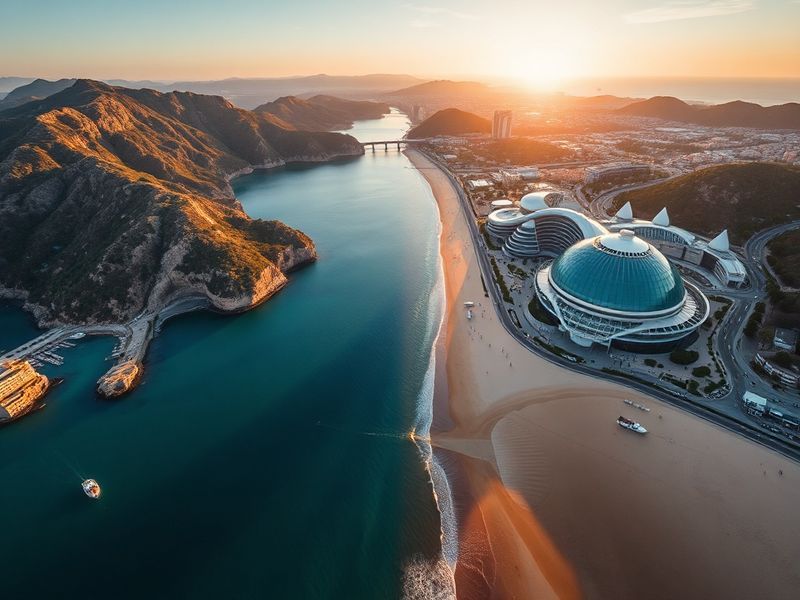
Valencia isn’t just a city; it’s a living museum of innovation and tradition. Home to the futuristic City of Arts and Sciences, the historic Silk Exchange (a UNESCO World Heritage Site), and some of Spain’s most celebrated paella, Valencia balances the old and the new with remarkable grace. Its 10 kilometers of urban beaches—located just minutes from the city center—make it one of Europe’s most accessible coastal metropolises.
The city’s identity is deeply tied to its agricultural roots. The surrounding Huerta (market garden) supplied Valencia with fresh produce for centuries, and that legacy lives on in its cuisine. The Central Market, one of Europe’s largest fresh food markets, is a testament to this culinary heritage. Meanwhile, the annual Fallas festival, with its towering satirical sculptures and fireworks, draws over a million visitors each March.
Valencia’s appeal lies in its accessibility and authenticity. It’s a city where you can cycle to the beach in the morning, explore Gothic architecture in the afternoon, and enjoy a sunset dinner of authentic arroz al horno by night. Unlike Mallorca, which often feels like an escape from the world, Valencia immerses you in the pulse of Spanish life.
The Island Escape: Mallorca’s Allure
Mallorca, by contrast, is an island of retreat. Its rugged Tramuntana Mountains, crystalline coves, and historic stone villages evoke a slower, more contemplative pace. The island has long been a haven for artists, writers, and European royalty, from Chopin to the British royal family. Today, it remains a symbol of understated luxury—where five-star resorts coexist with traditional fincas (country estates) and quiet fishing villages.
Mallorca’s tourism model has evolved significantly in recent years. Once dominated by package holidays and nightlife in Magaluf, the island now emphasizes sustainable tourism, gastronomy, and wellness. The rise of boutique hotels, yoga retreats, and farm-to-table dining reflects a broader shift toward quality over quantity. The island’s UNESCO-listed Serra de Tramuntana, a cultural landscape shaped by centuries of agriculture and architecture, underscores this commitment to preservation.
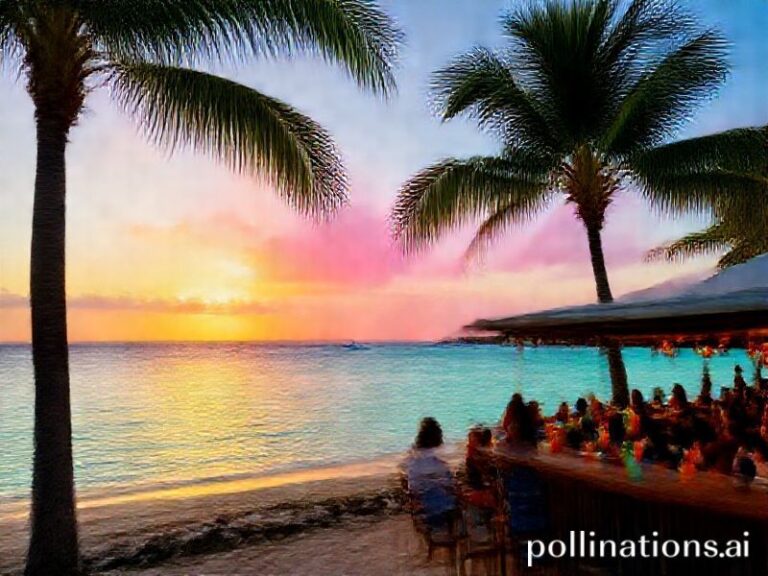
Where Valencia thrives on energy and spontaneity, Mallorca offers moments of stillness. Whether it’s watching the sunset from Cap de Formentor, wandering the cobbled streets of Valldemossa, or savoring a sobrasada-infused dinner in a mountain village, the island invites introspection. It’s a place to disconnect—not from technology, but from the relentless pace of modern life.
Comparing the Experiences
Deciding between Mallorca and Valencia often comes down to what kind of traveler you are. Here’s a breakdown of key differences:
- Atmosphere: Valencia is lively, cosmopolitan, and always changing. Mallorca is tranquil, timeless, and introspective.
- Cuisine: Valencia is the birthplace of paella and a hub for fresh seafood and produce. Mallorca excels in rustic, pork-based dishes like ensaimada and tumbet.
- Accessibility: Valencia’s international airport and train connections make it easier to reach from major European cities. Mallorca’s airport is smaller but offers more direct flights from the UK and Germany.
- Nightlife: Valencia has a thriving bar and club scene, especially around Ruzafa. Mallorca’s nightlife is more concentrated in areas like Palma’s Old Town or Playa de Palma, with a mix of beach clubs and cocktail lounges.
- Nature: Mallorca offers dramatic landscapes, from mountain hikes to secluded beaches. Valencia’s natural beauty is more urban, with beaches integrated into the city and the Albufera Natural Park offering a tranquil escape.
For families, Valencia’s mix of attractions—from the Oceanogràfic aquarium to the Bioparc zoo—provides endless entertainment. Mallorca, meanwhile, appeals to those seeking a relaxed, nature-focused holiday, though it also has excellent family-friendly resorts. Adventure seekers will find hiking and cycling in Mallorca’s mountains, while Valencia offers everything from windsurfing in El Saler to exploring underground Roman ruins.
Broader Implications: Tourism, Identity, and Sustainability
The contrast between Mallorca and Valencia reflects broader debates about tourism’s role in Spain’s future. Mallorca’s shift toward sustainability mirrors global trends in eco-tourism, where destinations are rethinking mass tourism in favor of quality experiences. The island’s strict building codes and emphasis on local businesses set a precedent for other Mediterranean destinations grappling with overtourism.
Valencia, on the other hand, represents the potential of urban tourism done right. The city’s investment in culture, green spaces, and public transport has made it a model for sustainable city breaks. Its ability to attract visitors while preserving its heritage offers lessons for other historic cities facing similar pressures.
Both destinations also highlight Spain’s cultural diversity. Valencia’s Catalan-influenced identity contrasts sharply with Mallorca’s Balearic character, shaped by its unique history as a crossroads of Mediterranean cultures. These distinctions remind us that Spain is not a monolith—its regions offer distinct flavors, languages, and traditions that enrich the country’s collective identity.
A Matter of Perspective
Ultimately, choosing between Mallorca and Valencia is about aligning your holiday with your personal values. If you crave the energy of a vibrant city, where history and modernity coexist, Valencia delivers. If you seek a slower pace, where nature and tranquility take center stage, Mallorca is the answer.
Both destinations prove that there’s no single way to experience Spain’s Mediterranean coast. One thrives on dynamism; the other on stillness. One is a city that never sleeps; the other an island that invites you to pause. Whichever you choose, you’ll leave with more than just memories—you’ll gain a deeper appreciation for the diversity that makes Spain so compelling.
For those interested in exploring Spain’s regional contrasts further, consider browsing our Travel or Culture sections for more insights and recommendations.