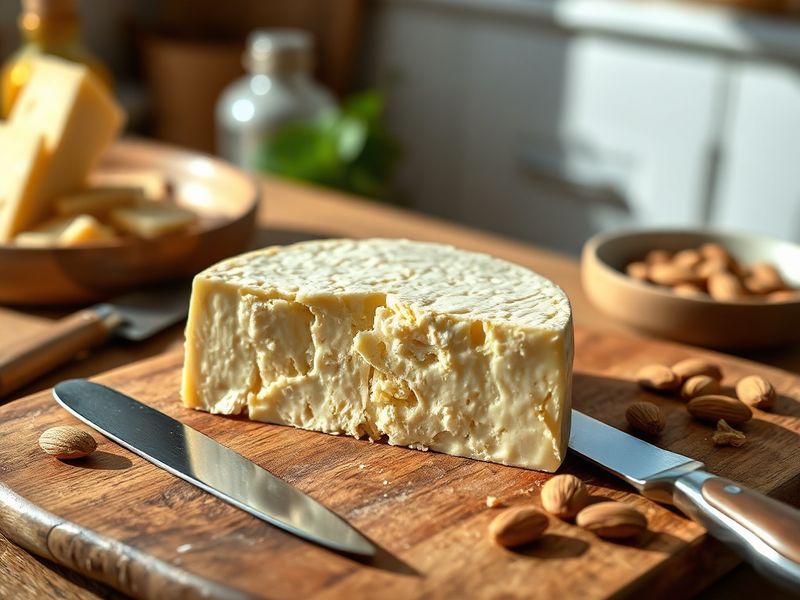
Asiago Cheese: Italy’s Aged Treasure Worth Knowing
“`html
Asiago Cheese: Italy’s Aged Treasure Worth Knowing
Nestled in the rolling hills of Italy’s Veneto and Trentino regions, Asiago cheese stands as a testament to centuries of craftsmanship and tradition. Far from being just another dairy product, this aged delight has carved out a distinctive place in both European culinary history and modern kitchens worldwide. Its story begins not in a factory, but on the alpine pastures where local herders have grazed their cows for generations.
Asiago isn’t a single cheese, but a family of varieties that evolve with time and technique. At its core, it’s a pressed cow’s milk cheese that begins its life as a mild, creamy product. But as it ages, it transforms—developing crunchy crystals, nutty depths, and a texture that ranges from supple to flaky. This versatility has made it a favorite among chefs, home cooks, and cheese connoisseurs alike. Whether shaved over pasta, melted into risotto, or enjoyed on its own with a glass of wine, Asiago adapts to countless culinary roles.
The Origins and Authentic Production of Asiago
The roots of Asiago cheese trace back to the Asiago Plateau, a highland area in northern Italy where the climate and grass create ideal conditions for dairy production. The cheese’s Protected Designation of Origin (PDO) status, granted in 1996, ensures that only cheeses made in this region using traditional methods can bear the name “Asiago.” This designation protects not just the name, but the entire production process—from the breed of cows (primarily Alpine Brown and Simmental) to the specific alpine flora they graze on.
Traditional Asiago is made using raw or thermized cow’s milk, rennet, and salt. The curds are pressed into large wheels, then bathed in brine and aged in cool, humid cellars. What happens next determines the variety:
- Asiago Pressato (Fresh Asiago): Aged for a minimum of 20 days, this version is smooth, milky, and slightly tangy—ideal for melting or slicing.
- Asiago d’Allevio: Aged up to 3 months, it becomes firmer with a more pronounced flavor.
- Asiago Vecchio (Aged Asiago): Aged 3 to 10 months, it develops a crumbly texture and complex, nutty notes.
- Asiago Stravecchio: Aged over a year, it’s hard, granular, and often grated like Parmigiano-Reggiano.
The PDO regulations also specify that the cheese must be produced in dairies that follow strict hygiene and aging standards, preserving the integrity of the original recipe. This level of regulation ensures consistency and authenticity, but it also reflects a deep respect for the land and livestock that make Asiago possible.
Why Asiago Stands Out in the Cheese World
In a global cheese market dominated by cheddars, mozzarellas, and blues, Asiago carves its niche through balance and adaptability. One of its most compelling traits is its ability to bridge categories. It’s neither too mild nor too pungent, neither too soft nor too hard. This middle-ground profile makes it accessible to casual eaters while still offering depth for enthusiasts.
Nutritionally, Asiago is a powerhouse. A 30-gram serving provides about 110 calories, 9 grams of protein, and 7 grams of fat—mostly saturated, but from grass-fed cows, which means higher levels of beneficial omega-3 fatty acids and conjugated linoleic acid (CLA). It’s also rich in calcium, phosphorus, and vitamin B12, making it a smart choice for those seeking nutrient-dense dairy.
Another distinguishing feature is its aging potential. Unlike many soft cheeses that spoil quickly, Asiago ages gracefully. Stravecchio varieties can be stored for years in proper conditions, developing even more concentrated flavors and becoming prized collector’s items among cheese lovers. This longevity speaks to the cheese’s craftsmanship and the skill of its makers.
In professional kitchens, Asiago is prized for its melting properties. Unlike some aged cheeses that turn oily when heated, Asiago melts smoothly, making it ideal for sauces, gratins, and fondues. Chefs often use it in place of Parmesan when they want a milder, creamier finish—especially in northern Italian dishes like risotto or polenta.
How to Enjoy Asiago: From Everyday Meals to Gourmet Pairings
Asiago isn’t just for cheese boards—it’s a culinary chameleon. Here’s how to make the most of it in your kitchen:
- Shaved or Sliced: Use a peeler or sharp knife to shave Pressato or d’Allevio over salads, soups, or roasted vegetables. Its mild sweetness complements bitter greens like arugula or radicchio.
- Melted Magic: Grate Vecchio or Stravecchio into hot pasta dishes, or fold into mashed potatoes for extra richness. It melts beautifully into pasta sauces, adding body without overwhelming other flavors.
- On the Cheese Board: Pair aged Asiago with dried fruits like figs or apricots, nuts such as walnuts or almonds, and a drizzle of honey. The contrast of sweet, nutty, and salty elevates every bite.
- In Baking: Incorporate grated Asiago into bread dough, focaccia, or savory scones for a subtle cheesy depth that doesn’t overpower.
- With Wine: Pair younger Asiago with crisp whites like Pinot Grigio or sparkling Prosecco. Aged varieties shine with full-bodied reds such as Amarone or Barolo, where their tannins and fruit notes harmonize.
For the best results, buy Asiago from reputable cheese mongers or specialty grocers. Look for wheels stamped with the PDO logo and check the aging date. A well-aged Asiago should have a firm, slightly grainy texture and a pleasant aroma of toasted nuts and caramel. Avoid pre-shredded varieties, which often contain anti-caking agents that dull the flavor.
The Future of Asiago: Tradition Meets Innovation
Despite its ancient roots, Asiago is not stuck in the past. Modern dairies are experimenting with organic milk, plant-based rennet alternatives, and even flavored varieties—like Asiago with truffle or herbs. These innovations aim to attract younger consumers while staying true to the cheese’s essence. At the same time, global demand is rising, with exports increasing to the U.S., Canada, and Asia.
Yet challenges remain. Climate change threatens the alpine pastures that define Asiago’s terroir. Dairies must adapt grazing patterns and feed sourcing to maintain quality. There’s also a delicate balance between tradition and commercialization—ensuring that growth doesn’t dilute the artisanal standards that make Asiago special.
For purists, the future lies in education. Organizations like the Consorzio Tutela Formaggio Asiago work to promote authentic production and teach consumers how to recognize true Asiago versus imitations. They host tastings, sponsor farm tours, and support small-scale producers who uphold the PDO standards.
Asiago’s story is one of continuity and evolution. It honors the past while embracing the future, offering a taste of Italy’s alpine heritage in every bite. Whether enjoyed in a rustic mountain tavern or a high-end restaurant in Milan, it remains a symbol of craftsmanship, terroir, and the timeless art of cheesemaking.
In a world where food often feels mass-produced and disconnected, Asiago reminds us that great cheese—and great culture—begins with respect: for the land, the animals, and the hands that shape it. That’s a tradition worth savoring.