In the quiet corridors of research laboratories and behind the unassuming doors of medical storage facilities lies one of modern science’s most critical yet overlooked resources: biobanks. These vast repositories of biological samples and data are not just storage units; they are the bedrock upon which countless medical breakthroughs are built. From unlocking the mysteries of rare diseases to accelerating vaccine development, biobanks operate as the unsung heroes of healthcare innovation.
The Science Behind the Storage: What Are Biobanks?
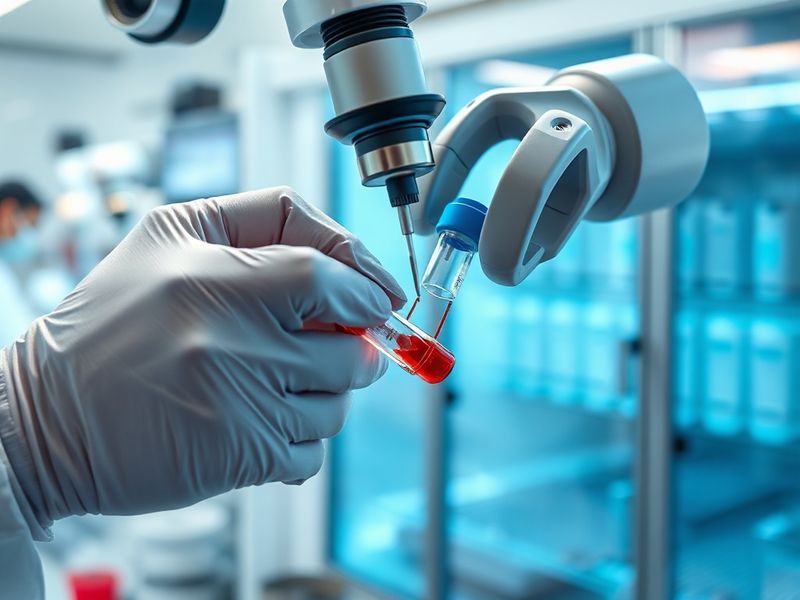
A biobank is a type of repository that stores biological samples—such as blood, tissue, DNA, or cells—alongside associated data, such as medical records or genetic information. These samples are meticulously preserved under controlled conditions to ensure their integrity over time. Biobanks can vary in size and scope, ranging from small collections held by individual research institutions to massive, population-scale initiatives like the UK Biobank or the U.S. National Cancer Institute’s biospecimen program.
The primary purpose of a biobank is to facilitate research. By providing scientists with access to well-documented, high-quality samples, biobanks accelerate discoveries that might otherwise take decades. For example, the Human Genome Project, which mapped the entire human genome, relied heavily on samples stored in biobanks to identify genetic variations linked to diseases.
Beyond human samples, some biobanks also store plant, animal, or microbial specimens, supporting fields like agriculture, veterinary medicine, and environmental science. The diversity of biobank collections underscores their versatility as tools for addressing a wide range of scientific questions.
How Biobanks Drive Medical Breakthroughs
The impact of biobanks on medicine cannot be overstated. One of the most transformative contributions has been in the field of personalized medicine. By analyzing genetic data from biobank samples, researchers can identify biomarkers that predict how patients will respond to specific treatments. This allows for therapies tailored to an individual’s genetic makeup, reducing side effects and improving outcomes. For instance, biobanks have been instrumental in developing targeted therapies for cancers, such as HER2-positive breast cancer, where drugs like trastuzumab (Herceptin) have revolutionized treatment.
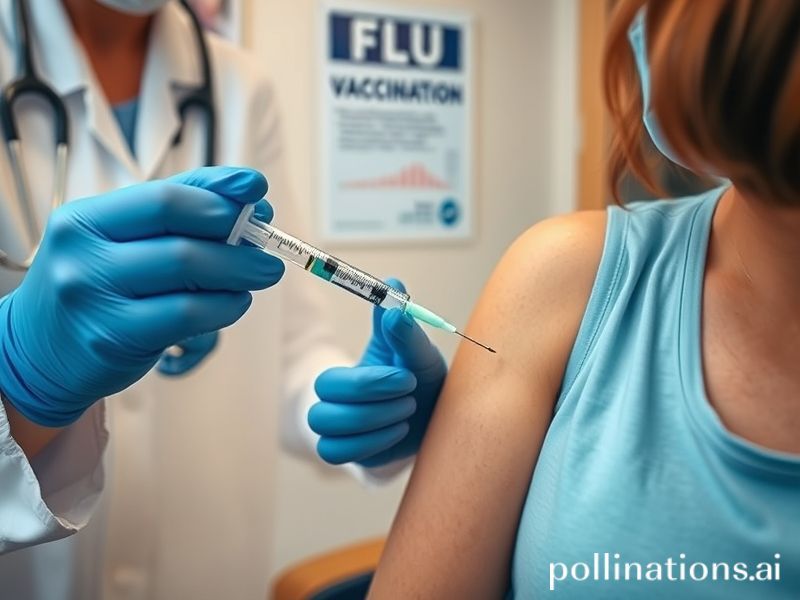
Biobanks also play a pivotal role in studying infectious diseases. During the COVID-19 pandemic, biobanks provided critical samples that helped scientists understand the virus’s behavior, track mutations, and develop vaccines at an unprecedented speed. The Moderna and Pfizer-BioNTech vaccines, for example, were developed using genetic sequences derived from biobanked viral samples.
Another area where biobanks shine is in rare disease research. Because these conditions affect small populations, collecting sufficient samples is challenging. Biobanks consolidate resources from multiple sources, giving researchers the critical mass needed to identify genetic causes, test potential therapies, and improve diagnoses. Organizations like the Rare Diseases Clinical Research Network leverage biobanks to bring hope to patients with conditions that were once considered untreatable.
The Ethical and Logistical Challenges of Biobanking
Despite their invaluable contributions, biobanks are not without controversy. One of the most pressing ethical dilemmas is informed consent. When participants donate samples, they often do so with the understanding that their data will be used for specific research purposes. However, biobanks sometimes face challenges in tracking how samples are used over time, especially as research directions evolve. The case of Henrietta Lacks, whose cells were taken without consent and used in countless medical breakthroughs, serves as a stark reminder of the importance of ethical oversight in biobanking.
Privacy is another major concern. Genetic data is uniquely identifying, and breaches could have severe consequences for participants. Biobanks must implement robust security measures, including encryption and anonymization techniques, to protect donor identities. The European Union’s General Data Protection Regulation (GDPR) and the U.S. Genetic Information Nondiscrimination Act (GINA) provide frameworks for safeguarding genetic data, but compliance remains a complex and evolving challenge.
Logistically, biobanks face hurdles in sample quality and standardization. Variations in collection, storage, and processing methods can affect the reliability of results. To address this, organizations like the International Society for Biological and Environmental Repositories (ISBER) have developed best practices for biobank operations, ensuring consistency and reproducibility across institutions.
Cost is also a significant barrier. Establishing and maintaining a biobank requires substantial investment in infrastructure, personnel, and technology. Many biobanks rely on a mix of public funding, private partnerships, and philanthropic support to sustain their operations. For example, the UK Biobank, one of the world’s largest, was funded by a £62 million grant from the Wellcome Trust and the UK government, alongside contributions from research institutions.
The Future of Biobanking: Trends and Innovations
The future of biobanking is being shaped by several transformative trends. One of the most exciting is the integration of artificial intelligence (AI) and machine learning. AI can analyze vast datasets from biobanks to identify patterns and correlations that might elude human researchers. For instance, AI algorithms have been used to predict disease outbreaks by analyzing genetic and environmental data from biobank samples.
Another trend is the rise of virtual biobanks. These digital platforms aggregate data from multiple physical biobanks, creating a centralized hub for researchers. The Global Alliance for Genomics and Health (GA4GH) is working to establish such a network, enabling seamless data sharing across borders and disciplines. This approach not only accelerates research but also democratizes access to critical resources.
Biobanks are also expanding their focus to include social and environmental determinants of health. The All of Us Research Program, funded by the U.S. National Institutes of Health, aims to collect data from over a million participants to study how lifestyle, environment, and biology interact to influence health. By incorporating diverse datasets, biobanks are moving beyond genetic determinism to provide a more holistic view of human health.
Sustainability is another key consideration. As biobanks grow, so does their energy consumption and environmental footprint. Some institutions are exploring green technologies, such as renewable energy sources and eco-friendly storage solutions, to reduce their impact. The Norwegian Institute of Public Health, for example, has implemented energy-efficient freezers and solar power to power its biobank operations.
Why Biobanks Matter for the Public
For the average person, the existence of biobanks may seem abstract, but their impact is deeply personal. Every time a loved one benefits from a life-saving drug, undergoes a genetic test, or receives a diagnosis that leads to early intervention, biobanks have played a role. They are the unsung infrastructure that makes modern medicine possible.
Public participation in biobanks is crucial. By donating samples and data, individuals contribute to a collective resource that can benefit future generations. Initiatives like the UK Biobank have recruited over half a million participants, demonstrating the power of community engagement in scientific research. However, public trust must be maintained through transparency, ethical practices, and clear communication about how data is used.
For those interested in learning more about how biobanks intersect with other areas of science and technology, explore our Science and Health categories on Dave’s Locker. These sections feature in-depth analyses of how scientific advancements are shaping the future of medicine and society.
A Final Thought
Biobanks are more than just refrigerators filled with samples; they are the living archives of human health. As technology advances and our understanding of biology deepens, these repositories will continue to unlock new frontiers in medicine, environmental science, and beyond. The next time you hear about a medical breakthrough, take a moment to consider the role that biobanks played in making it possible. They may operate silently, but their impact is anything but.