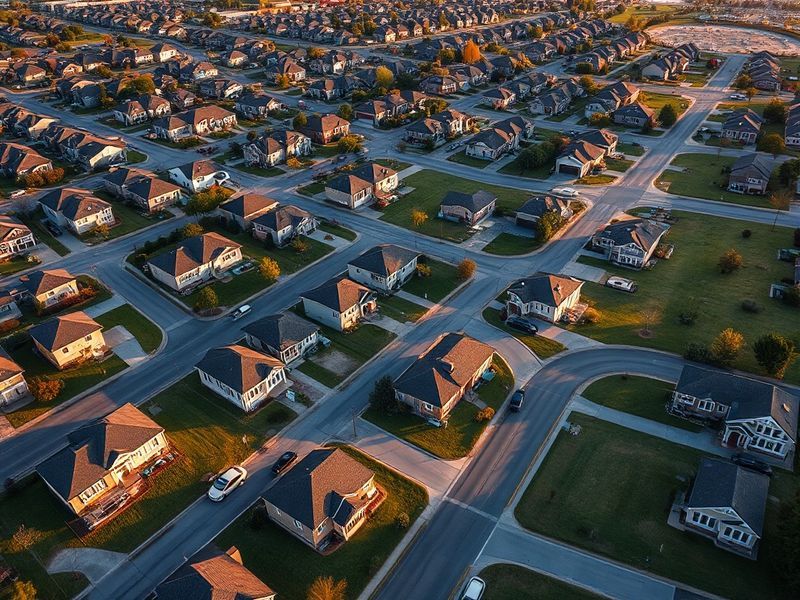
housing prices
“`html
The Hidden Forces Shaping Today’s Housing Prices
The cost of buying a home has become one of the most pressing economic issues of our time. Across major cities and suburban neighborhoods alike, housing prices continue to climb, often outpacing wage growth and making homeownership feel like an unattainable dream for many. What began as a steady rise in prices has evolved into a complex web of factors—some cyclical, others structural—that show no signs of slowing down.
Understanding these forces requires looking beyond simple supply and demand. It means examining the roles of government policy, investor activity, construction trends, and even global economic shifts. Each of these elements plays a part in determining whether a family can afford a starter home or whether first-time buyers are locked out of the market entirely.
The Role of Supply Constraints in Driving Up Prices
One of the most fundamental drivers of rising housing costs is the imbalance between supply and demand. In many markets, particularly in urban centers and high-demand regions, the number of available homes simply hasn’t kept pace with population growth. Zoning laws, geographical barriers, and lengthy permitting processes have all contributed to this shortage.
In cities like San Francisco, Seattle, and Boston, restrictive zoning policies have limited the construction of new housing, especially multi-family units. These rules, often designed decades ago, were intended to preserve neighborhood character but have had the unintended consequence of constraining supply. Meanwhile, geographic limitations—such as coastal boundaries or mountainous terrain—further restrict where new developments can occur.
Construction costs have also risen, creating another barrier to increasing supply. Labor shortages, higher material prices, and regulatory hurdles have made building new homes more expensive than ever. According to the National Association of Home Builders, the average cost of constructing a single-family home increased by nearly 20% between 2020 and 2023.
Where Supply Falls Short
- Major metros: Cities with strong job markets and amenities attract more residents but often lack sufficient housing. For example, Austin, Texas, saw home prices rise by over 50% in just four years.
- Suburban squeeze: Even in suburban areas, limited land availability and zoning restrictions have led to rising prices, particularly for starter homes.
- Rural vs. urban: While rural areas often have more affordable housing, proximity to economic hubs has driven up prices in once-affordable exurban regions.
The Rise of Investor Activity and Its Market Impact
Another significant factor in today’s housing market is the growing influence of investors, particularly large-scale buyers like private equity firms and real estate investment trusts (REITs). These entities have increasingly turned to residential real estate as a lucrative asset class, purchasing single-family homes and converting them into rental properties.
Between 2020 and 2023, institutional investors accounted for nearly 20% of all home purchases in some markets, according to Redfin. This surge in activity has reduced the number of homes available for owner-occupants, particularly in mid-sized cities where prices were once more affordable. Cities like Phoenix, Atlanta, and Las Vegas have seen particularly high levels of investor activity.
The rise of remote work has further fueled this trend. As more people relocated during the pandemic, investors followed, snapping up properties in previously overlooked markets. This influx of capital has driven up prices and made it harder for local buyers to compete, often forcing them into bidding wars or out of the market entirely.
How Investors Reshape Local Markets
- Reduced inventory: Large-scale purchases remove homes from the for-sale market, limiting options for traditional buyers.
- Rental dominance: When investors buy homes to rent, they shift the market from owner-occupied to rental-focused, which can price out would-be buyers.
- Price inflation: In some neighborhoods, investor activity has pushed prices beyond what local incomes can support, creating affordability crises.
For those interested in exploring how different regions are affected by these trends, Dave’s Locker Finance section offers deeper analysis on regional economic factors influencing housing markets.
Government Policies: Helping or Hindering Affordability?
Government intervention in the housing market takes many forms, from tax incentives to zoning reforms and mortgage regulations. While some policies aim to support homeownership, others inadvertently contribute to rising prices or fail to address underlying issues.
For instance, the mortgage interest deduction, a long-standing U.S. tax policy, primarily benefits higher-income homeowners. Critics argue that it disproportionately favors wealthier buyers and does little to assist first-time or low-income purchasers. Similarly, programs like the Federal Housing Administration’s (FHA) loan guarantees can make mortgages more accessible, but they also contribute to demand without necessarily increasing supply.
On the other hand, some local governments have begun to implement policies aimed at increasing affordability. In Minneapolis, for example, the city abolished single-family zoning in 2018, allowing for the construction of more duplexes and triplexes. Early data suggests that this change has led to a modest increase in housing supply, though the impact on prices remains to be seen.
At the federal level, proposals like the Biden administration’s $150 billion Housing Supply Action Plan seek to incentivize affordable housing construction and protect renters. However, the effectiveness of such initiatives depends on funding, political will, and coordination between state and local governments.
Policy Levers in the Housing Market
- Tax policies: Deductions like the mortgage interest deduction can inflate demand without addressing supply constraints.
- Zoning reforms: Cities experimenting with zoning changes, such as allowing more density, have seen mixed results in increasing affordability.
- Rental regulations: Rent control policies can protect tenants but may discourage new rental construction, exacerbating shortages.
- Subsidies and incentives: Programs like low-income housing tax credits aim to support affordability but often fall short of meeting demand.
Global Economic Shifts and Their Local Consequences
Housing markets don’t exist in a vacuum; they are deeply influenced by global economic trends, including interest rates, inflation, and international capital flows. The past few years have seen unprecedented shifts in these areas, each leaving its mark on local housing prices.
Interest rates, in particular, have played a pivotal role. After years of historically low rates during the pandemic, central banks raised borrowing costs to combat inflation. While this move was necessary to stabilize economies, it also made mortgages significantly more expensive. In the U.S., the average 30-year fixed mortgage rate jumped from around 3% in 2021 to over 7% by 2023, pricing out many potential buyers.
Global capital flows have also contributed to price volatility. In cities like Toronto, Vancouver, and Sydney, foreign investment has historically driven up prices, particularly in luxury segments. Governments in these regions have responded with taxes and restrictions on foreign buyers, but the impact has been uneven. Meanwhile, economic uncertainty in other parts of the world has led to increased demand in perceived “safe” markets, further straining local housing supplies.
Inflation itself has had a dual effect on housing. On one hand, rising construction costs have made building new homes more expensive, reducing supply. On the other, inflation has eroded the purchasing power of would-be buyers, making it harder to save for a down payment or qualify for a mortgage.
The Ripple Effects of Global Trends
- Interest rate hikes: Higher borrowing costs reduce buyer purchasing power, slowing price growth but also limiting access to homeownership.
- Foreign investment: In some markets, international buyers drive up prices, particularly in high-demand urban areas.
- Supply chain disruptions: Pandemic-related delays in material deliveries have slowed construction, exacerbating shortages.
For a closer look at how these global trends intersect with local markets, Dave’s Locker News section provides up-to-date coverage on economic factors affecting housing affordability.
Looking Ahead: Can the Market Self-Correct?
The question on many minds is whether the housing market will eventually stabilize or if the current trends are here to stay. The answer depends on a variety of factors, including policy decisions, economic conditions, and demographic shifts.
One potential path to correction is through increased housing supply. If zoning reforms gain traction and construction accelerates, prices could stabilize or even decline in some markets. However, this process is slow and uneven, with supply shortages persisting in high-demand areas for years to come.
Demographic changes may also play a role. As millennials enter their peak homebuying years and Gen Z begins to enter the market, demand for starter homes and urban living spaces will likely remain strong. However, if economic conditions worsen or wage growth stagnates, this demand could taper off, reducing pressure on prices.
Another wild card is the role of technology. Innovations in construction, such as modular housing and 3D-printed homes, could help lower costs and speed up delivery. Meanwhile, fintech companies are exploring new mortgage products that could make homeownership more accessible. Whether these advancements will have a meaningful impact remains to be seen.
Ultimately, the future of housing prices will depend on a delicate balance of forces—some within our control, others dictated by broader economic realities. For now, the market remains a challenging landscape for buyers, sellers, and policymakers alike.
Conclusion: Navigating an Evolving Market
The housing market today is a reflection of deeper economic and social forces, from policy decisions to global capital flows. While rising prices have made homeownership increasingly difficult for many, the path forward isn’t predetermined. Solutions exist, but they require coordinated action from governments, builders, and communities.
For prospective buyers, patience and flexibility may be key. Exploring alternative neighborhoods, considering different housing types, or waiting for market shifts could open new opportunities. For policymakers, the challenge lies in