University of Arizona: Global Research & Cultural Impact Explored
“`html
The University of Arizona: A Global Academic Powerhouse
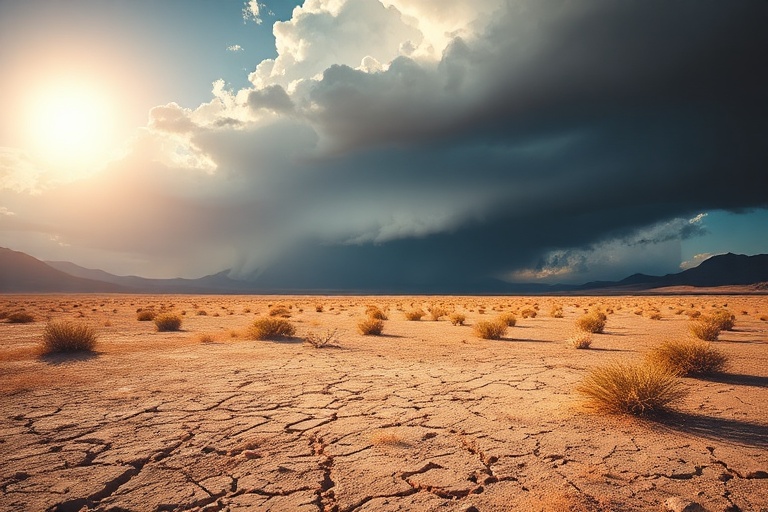
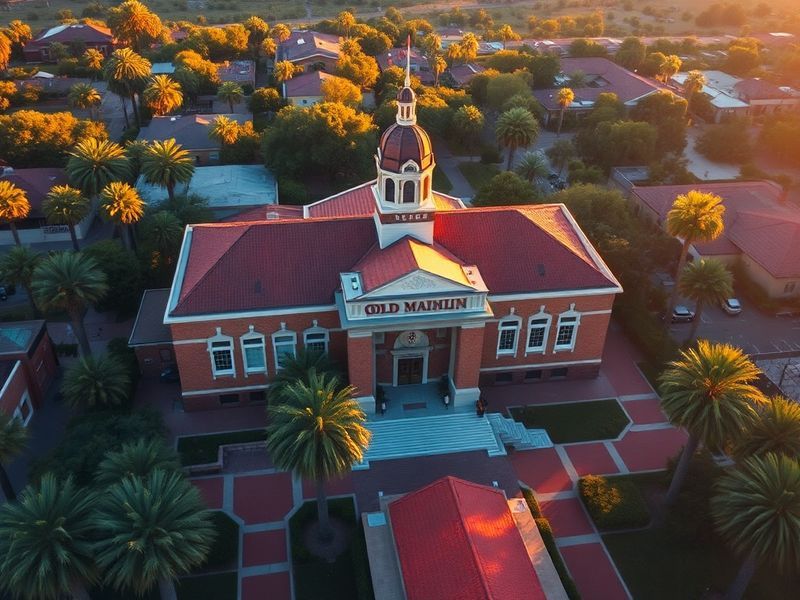
The University of Arizona, nestled in the sun-drenched Sonoran Desert, has evolved from a regional institution into a globally recognized center of research, innovation, and cultural exchange. Founded in 1885 before Arizona achieved statehood, the university has grown alongside the state itself, expanding its influence far beyond the borders of the American Southwest. Today, it stands as a testament to how higher education can bridge local identity and global ambition.
From Desert Roots to Global Reach
The university’s origins are humble but purposeful. Established in Tucson when the territory had fewer than 50,000 residents, the University of Arizona opened with just 32 students. Over the decades, it has transformed into a major research university with more than 45,000 students from all 50 U.S. states and over 110 countries. Its rise reflects broader trends in American higher education: the growing internationalization of universities and the increasing importance of research-driven institutions in national and global development.
Unlike older East Coast universities with deep colonial legacies, the University of Arizona developed in a region shaped by Indigenous cultures, Mexican heritage, and later, American expansion. This unique cultural context has fostered a university ethos that values both innovation and inclusivity. The institution has long emphasized accessibility, reflected in its designation as a Hispanic-Serving Institution and its commitment to serving first-generation college students.
A Hub of Scientific Discovery and Space Exploration
Few universities can claim a direct role in humanity’s journey to the stars, but the University of Arizona can. The university’s Lunar and Planetary Laboratory, founded in 1960, played a pivotal role in NASA’s Apollo missions. Today, it continues to lead interplanetary exploration, contributing to missions like OSIRIS-REx, which successfully returned a sample from the asteroid Bennu in 2023. This achievement not only advanced planetary science but also reinforced Arizona’s reputation as a leader in space research.
The university is also home to the Richard F. Caris Mirror Lab, where technicians craft the world’s most advanced telescope mirrors. These mirrors have enabled groundbreaking discoveries, including those from the Giant Magellan Telescope, currently under construction in Chile. Such projects highlight how the University of Arizona functions as a bridge between academic inquiry and real-world technological advancement, with global implications.
Its strengths extend beyond space science. The university is a top producer of Fulbright Scholars, sending students and faculty abroad to teach and conduct research in over 140 countries. In 2023 alone, 18 University of Arizona affiliates received Fulbright awards, underscoring its role as a global educator. These scholars bring back international perspectives that enrich classrooms and research labs across campus.
Key Areas of Global Research Impact
- Climate Science: The university leads the Science Engagement Program, which connects climate researchers with policymakers worldwide to address global warming.
- Biomedical Innovation: The BIO5 Institute fosters interdisciplinary research in cancer, neuroscience, and infectious diseases, collaborating with institutions from Europe to Southeast Asia.
- Sustainable Agriculture: Through partnerships with African and Latin American universities, the university develops drought-resistant crops to support food security in arid regions.
Cultural Exchange in the American Southwest
The University of Arizona sits at a cultural crossroads. Tucson, its host city, is the first UNESCO City of Gastronomy in the United States, a designation that celebrates its blend of Native American, Mexican, and Anglo culinary traditions. This cultural richness is woven into the university’s identity. The Arizona State Museum, affiliated with the university, houses one of the largest collections of Native American artifacts in the country, offering students and scholars deep insight into Indigenous histories and contemporary issues.
The university also plays a central role in the annual Tucson Meet Yourself festival, a celebration of folk arts and traditions that draws visitors from across North America. Such events reflect how the university acts as a cultural ambassador, connecting local traditions to global audiences. Students from over 110 countries bring their own traditions to campus, creating a microcosm of global diversity within the Sonoran Desert.
This cultural dynamism extends to the arts. The university’s Center for Creative Photography houses an unparalleled archive of 20th-century photography, including works by Ansel Adams and Edward Weston. Meanwhile, the School of Art fosters emerging talent through collaborations with international artists, ensuring that Arizona remains a vibrant center for creative exchange.
Challenges and Opportunities on the Global Stage
Despite its achievements, the University of Arizona faces challenges common to large public research institutions. Rising tuition costs and state funding fluctuations have placed financial pressure on students, particularly those from low-income backgrounds. In response, the university has expanded its financial aid programs and partnered with community colleges to create clear pathways for transfer students.
Another challenge is maintaining its global competitiveness amid fierce competition from universities in Asia, Europe, and the Middle East. To address this, the university has launched initiatives like the Global Advantage program, which offers students international internships, research collaborations, and study-abroad opportunities tailored to emerging industries such as renewable energy and digital health.
These efforts reflect a broader trend in higher education: the increasing necessity for universities to think globally while acting locally. The University of Arizona demonstrates how institutions can leverage regional strengths—such as its desert environment or its proximity to Mexico—to build programs with international relevance.
Looking Ahead: The Next Chapter
The university’s strategic plan, “Never Settle,” outlines ambitious goals for the coming decade. Among them are doubling research funding, increasing global student mobility, and deepening ties with universities in Africa and Southeast Asia. If successful, these initiatives will further cement Arizona’s position as a bridge between the Americas and the world.
As climate change reshapes desert ecosystems and migration patterns, the university’s expertise in arid lands research becomes ever more critical. Its work in water conservation, renewable energy, and sustainable urban planning offers models that could benefit dryland regions worldwide. In this sense, the University of Arizona is not just educating students—it is helping to shape the future of arid environments globally.
Conclusion
The University of Arizona embodies the power of higher education to transcend borders. From its origins in a desert territory to its current status as a global research leader, it demonstrates how institutions can grow while remaining rooted in their communities. Its contributions to space exploration, climate science, and cultural preservation show that the most influential universities are those that connect local realities to global challenges.
As Arizona continues to evolve, so too will the university. One thing is certain: its ability to adapt and innovate will ensure that it remains a vital institution for students, scholars, and communities around the world.