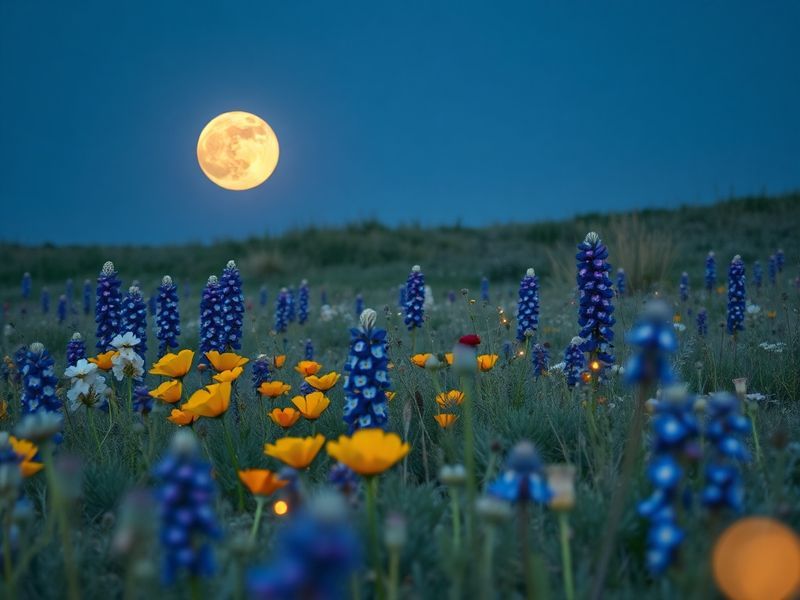
The May full moon, known as the Flower Moon, arrives this week, casting its luminous glow across the night sky. This annual event coincides with spring’s peak bloom, when wildflowers carpet fields and gardens burst with color. The name traces back to Native American traditions, particularly those of the Algonquin tribes, who marked the moon as a time of renewal and growth. Unlike more abstract celestial events, the Flower Moon carries a tactile connection to the earth—its brilliance reflecting the vitality of the season it heralds.
This year, the Flower Moon peaks on May 23, 2024, at 9:53 AM EDT, though it will appear full for about three days surrounding this time. For skywatchers, the timing offers a rare opportunity to observe the moon during both evening and early morning hours. While not a supermoon (which occurs when the moon is closer to Earth), the Flower Moon still commands attention as one of the year’s most visually striking lunar phases. Its soft, golden hue as it rises near the horizon adds to the spectacle, a phenomenon caused by atmospheric scattering of shorter wavelengths of light.
The Origins of the Flower Moon Name
The term “Flower Moon” stems from the rich oral traditions of Indigenous peoples across North America. Tribes such as the Ojibwe, Dakota, and Lakota used lunar names to track the passage of time, aligning their agricultural and ceremonial cycles with the rhythms of nature. The Flower Moon was not just a marker of blooming flora—it signaled the ideal time to plant crops like corn and beans, ensuring a successful harvest by autumn.
European settlers later adopted many of these names, integrating them into the colonial almanac tradition. Today, the Farmer’s Almanac continues to publish these lunar titles, preserving a blend of Indigenous wisdom and historical record-keeping. The Flower Moon is sometimes also called the Corn Planting Moon or Milk Moon in various traditions, each name reflecting a different facet of May’s agricultural and natural cycles.
Below are some of the most widely recognized names for the May full moon across different cultures:
- Algonquin: Flower Moon
- Celtic: Bright Moon
- Chinese: Dragon Moon
- Cherokee: Planting Moon
- Colonial American: Milk Moon
How to Best Observe the Flower Moon
Unlike meteor showers or eclipses, the Flower Moon requires no special equipment to appreciate—just clear skies and a bit of patience. The best viewing occurs at moonrise, when the moon appears larger due to the optical illusion known as the “moon illusion.” This effect makes the moon seem up to 300% larger when it’s near the horizon compared to when it’s high in the sky.
For those in urban areas, light pollution can diminish the moon’s brilliance, but apps like SkyView or Stellarium can help pinpoint its location. Photographers often use this time to capture the moon alongside landmarks or natural features, such as blooming trees or rivers. A tripod and a camera with manual settings can yield stunning results, especially during the “blue hour” just after sunset, when the sky retains a deep twilight hue.
If you’re unable to watch it in person, several observatories and space agencies, including NASA, livestream full moon events. These broadcasts often include expert commentary on lunar geology, historical significance, and cultural interpretations—perfect for armchair astronomers or educators looking to share the moment with a classroom.
Beyond the Moon: The Flower Moon in Myth and Ritual
The Flower Moon has long been woven into myths, rituals, and even modern spiritual practices. In Hindu tradition, the full moon of Vaishakha (which often falls in May) is celebrated during Vesak, a festival marking the birth, enlightenment, and death of the Buddha. Lanterns, processions, and offerings of flowers are common, tying the lunar phase to themes of enlightenment and renewal.
In European folklore, the full moon was sometimes seen as a time of heightened magic or danger. Farmers would avoid starting new projects on a full moon, believing it could bring bad luck or uneven growth. Conversely, some European traditions encouraged planting leafy greens during the waxing moon (leading up to the full moon) to promote lush foliage—a practice that aligns surprisingly well with modern gardening advice.
Today, the Flower Moon is embraced by both astronomers and spiritual communities alike. Pagan and Wiccan traditions, for example, associate the Flower Moon with fertility and abundance. Rituals may involve gathering flowers, crafting garlands, or meditating under the moonlight to harness its energy. While these practices vary widely, they share a common thread: a reverence for the natural world and its cyclical patterns.
The Flower Moon’s Place in Modern Culture
The Flower Moon has also found its way into literature, film, and music. Poets like Emily Dickinson and Robert Frost have referenced full moons in their work, often using them as metaphors for transience or beauty. In contemporary culture, the term has been adopted by musicians, including the band The Lumineers, whose song “Ophelia” mentions the “flower moon shining bright.”
Even in fashion and design, the Flower Moon’s aesthetic—soft pastels, organic textures, and floral motifs—has seen a resurgence. Brands in beauty and home decor often draw inspiration from its ethereal glow, launching “moon-inspired” collections around the time of the full moon each May. This cultural adoption speaks to the moon’s enduring appeal as a symbol of beauty, mystery, and renewal.
For those interested in exploring more about celestial events and their cultural significance, Dave’s Locker offers a range of articles on trending topics in science, culture, and beyond. Whether you’re a seasoned astronomer or simply someone who enjoys the quiet beauty of a full moon, the Flower Moon provides a moment to pause and reflect on the rhythms that connect us to the earth and the cosmos.
As the Flower Moon rises this May, take a moment to step outside, look up, and witness one of nature’s most timeless displays. Its light may be fleeting, but the memories it inspires often linger long after it fades from view.